(ENG) Beyond the Neon: 5 Hidden Stories That Redefine Osaka's Soul, Konohana Ward
From the dual-faced architecture of a tycoon's headquarters to an island of dreams built on refuse, Konohana Ward reveals the true essence of Osaka. These five stories, woven into the fabric of the land itself, showcase a relentless spirit of creation.

安治川水門 the monumental Ajigawa Sluice Gate> 鴻池組舊本店和館 Konnoike-gumi Old Main Store> 舞洲的體育場館群與人工濕地 artificial wetlands and ecological parks
Listen attentively to the historical stories told in detail
The City You Think You Know
Osaka. The name conjures a kinetic collage of images: steam rising from takoyaki stalls, the electric glow of the Dotonbori canal, and the relentless energy of a city dedicated to commerce and cuisine. It is a metropolis celebrated for its vibrant, forward-facing personality. But what hidden stories lie beneath the surface, buried not in ancient history, but in the grit and ambition of its industrial heartlands?
To find the answer, we turn to Konohana Ward. This district at the mouth of the Yodo River is no mere tourist spot; it is a living land's autobiography. Here, Osaka's past, present, and future collide in a dramatic saga of transformation, a story defined by a geographical dialectic between solid ground and engineered dreams, between historical memory and technological ambition. This is where steel mills are reborn as fantasy worlds, and where the city's true spirit of creation is etched into the very landscape. This journey unveils five surprising stories from Konohana that reveal the profound and often-overlooked soul of Osaka.
The Tycoon's Secret: A Building with a Dual Personality
To understand Osaka's modern ambition, one must first look to its historical foundations in the old district of Denpo. Here, the architecture itself reveals the psychology of the city's powerful business elites, who built their empires on a calculated blend of brute force and subtle influence.
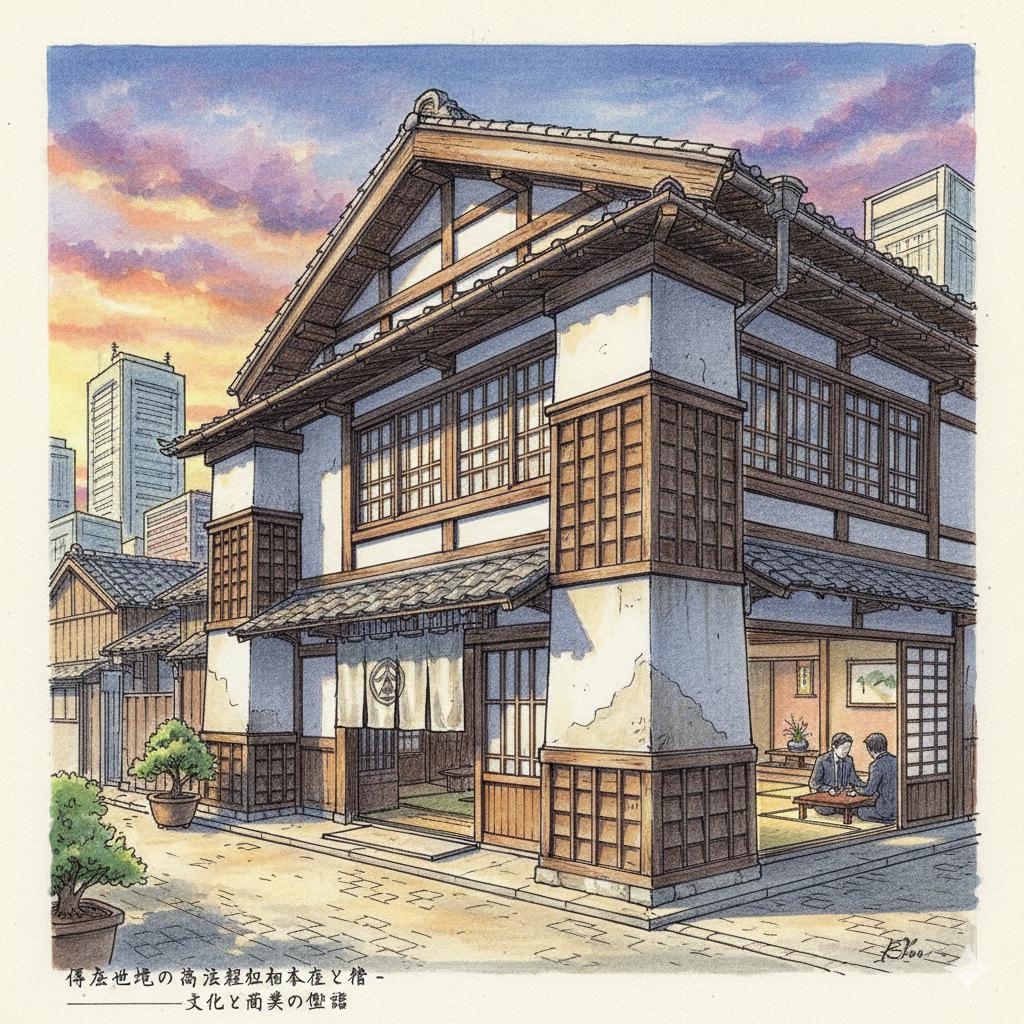
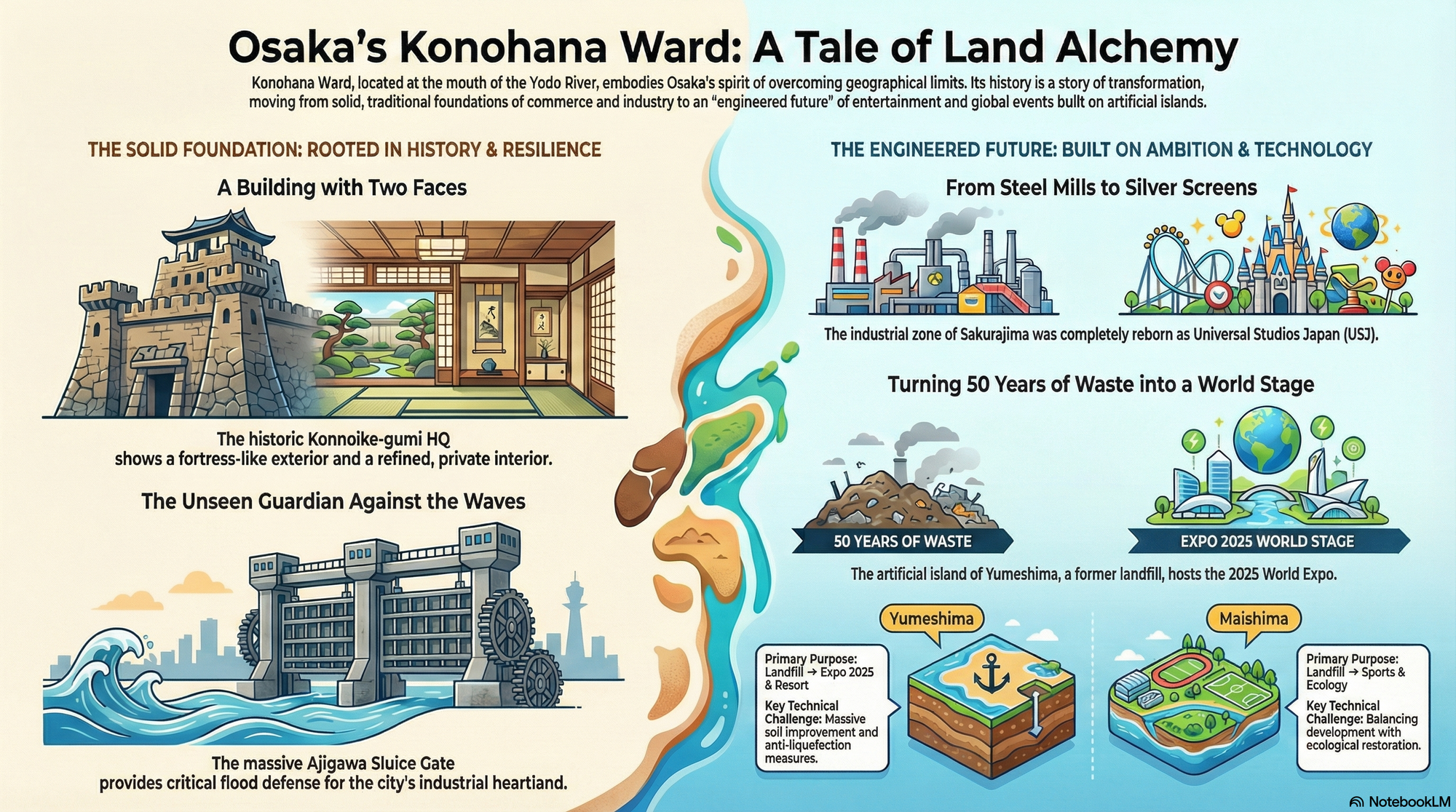
The Konnoike-gumi Old Main Store stands as a primary exhibit. From the outside, its aesthetic is that of a "heavy town-house" (juko na machiya), defined by a traditional gabled roof (kirizuma-zukuri), imposing sleeve walls (sodekabe), and projecting girders (degata) supporting the eaves—a fortress-like projection of industrial strength, financial reliability, and unshakeable power. For a major construction firm like Konnoike-gumi, this rugged exterior was a physical manifestation of their command over the world of industry.
Step inside, however, and the narrative shifts dramatically. The private rooms, particularly the reception rooms on the second floor, abandon industrial might for the refined and subtle aesthetic of Sukiya-zukuri. This architectural style, deeply rooted in the aesthetics of the Japanese tea ceremony, emphasizes simplicity, elegance, and a quiet harmony with nature. These serene rooms were instruments of power, venues where cultural capital was deployed to lubricate negotiations and solidify a tycoon's standing within the competitive zaibatsu world.
This "two-faced" design is profoundly significant. It embodies the calculated duality of Osaka's early industrialists, who masterfully balanced a public image of rugged power with a private world of cultural refinement. For the discerning traveler, the true hidden gem is the Konnoike-gumi Old Main Store itself, a registered cultural property where you can feel the quiet tension between commercial might and artistic soul that defines old Osaka. From the solid foundations of the Denpo district, Osaka's ambition pivoted to its most extreme expression: creating a floating future where land itself was a technological construct.
The Island of Dreams, Built on Decades of Trash
To grasp the scale of Osaka's audacity, one must understand Yumeshima, or "Dream Island." As the site of the 2025 World Expo, it is a gleaming symbol of the city's future—a high-tech gateway to the world. Yet this futuristic stage is built upon a foundation that is deeply counter-intuitive and almost unbelievable.
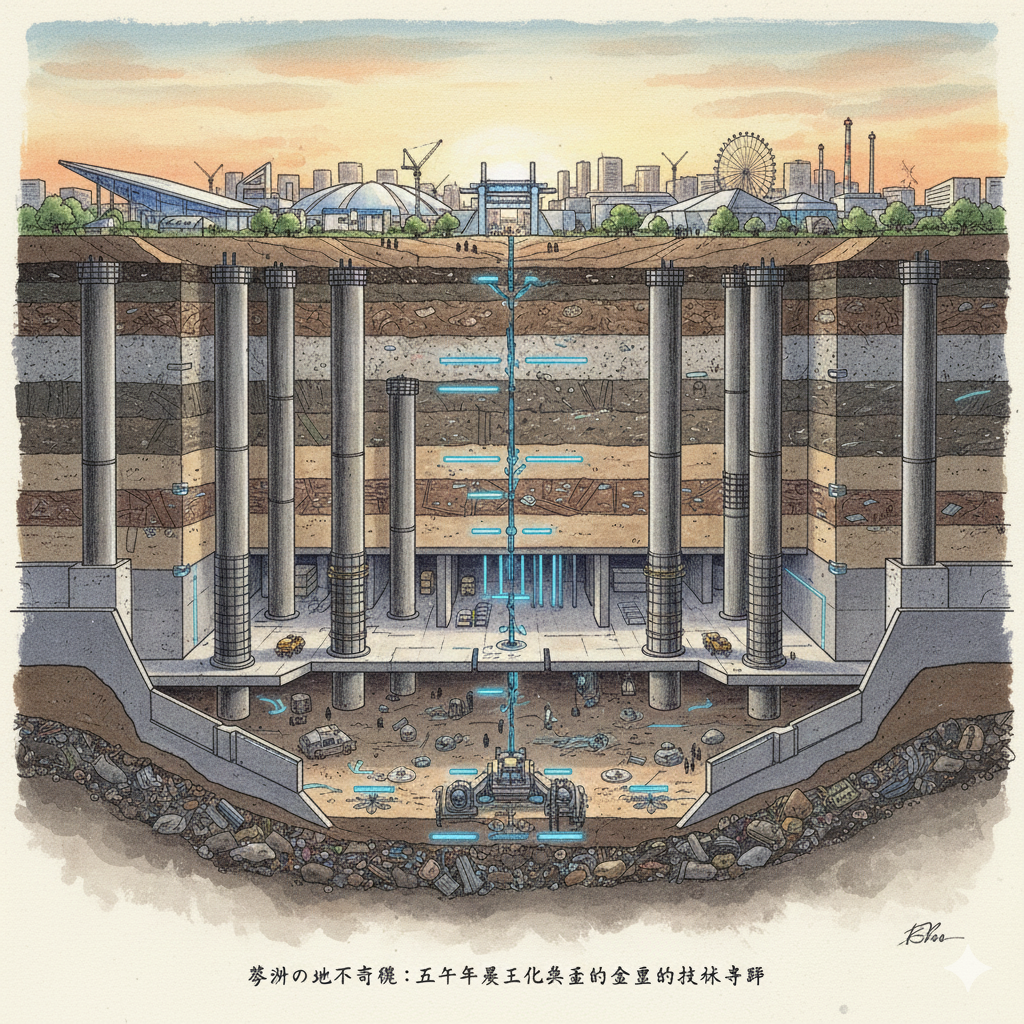
The island’s origin story is not one of ancient geology, but of modern necessity. For approximately 50 years, beginning in the late 1970s, the site of Yumeshima was a massive landfill. It was the final destination for the city's immense output of waste, a solution to the pressures of urban expansion and refuse disposal.
This glittering international stage is built upon a soft foundation composed of decades of the city's negative byproducts.
Transforming this unstable ground into a platform for a global event required an incredible engineering feat. The primary challenge was immense: a soft, unstable foundation under constant threat of liquefaction. To overcome this, engineers deployed "the latest ground improvement technology," turning a "negative asset" into one of supreme value. The 2025 Expo is only the beginning; plans are already in motion to develop the site into a massive Integrated Resort (IR) by 2030, cementing its transformation from the city's dumping ground to its premier international gateway. Yumeshima is a profound testament to a philosophy of "man conquering nature"—a core belief that the value of land is not inherent, but is created through sheer human will and the focused application of technological capital.
The most spectacular sight on Yumeshima is invisible. The hidden gem is the epic engineering miracle beneath your feet, a fifty-year story of alchemy that transformed waste into a platform for the world's future. This experiment in land creation, however, prompted new questions on a neighboring island about a city's responsibility to the natural world.
The Green Experiment: An Island's Ecological Conscience
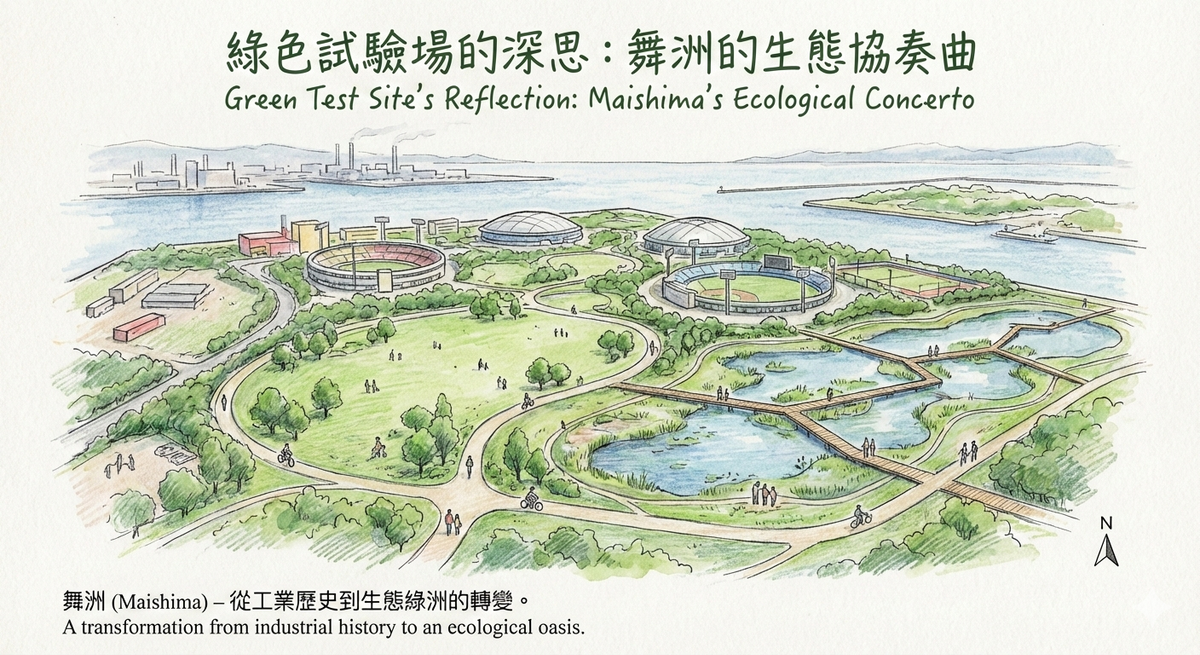
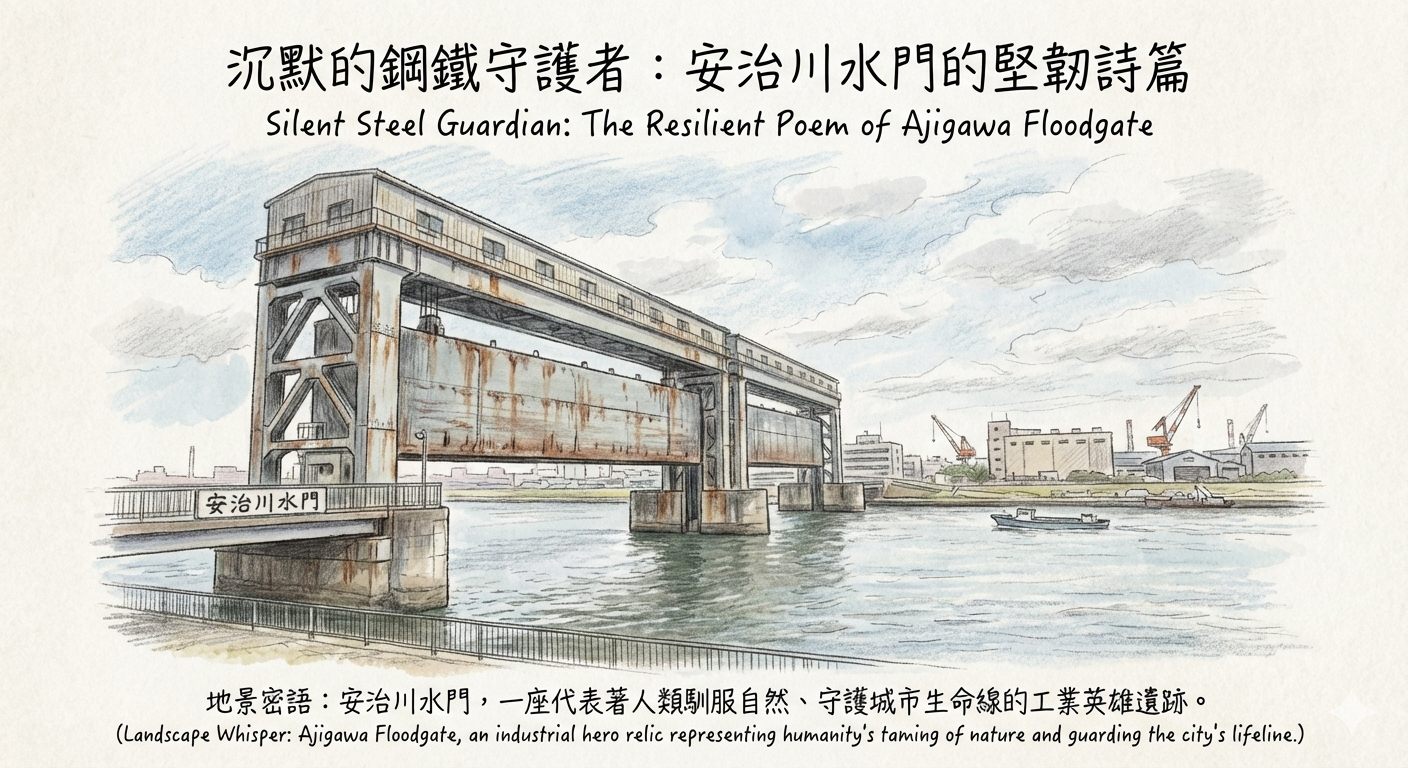
Adjacent to the high-tech ambition of Yumeshima lies its sister island, Maishima. While also an artificial island born from land reclamation, it tells a different, more reflective story about urban development and a city's relationship with nature.
Maishima was developed not just for expansion, but with a distinct focus on sports, recreation, and, most importantly, ecological restoration. This strategy echoes a broader regional philosophy, seen in neighboring Kobe's "mountains go to the sea" projects, where excavated earth from inland developments is used to create new coastal land—a closed loop of urban expansion and resource management.
This makes Maishima a "green proving ground." The island's parks and restored ecosystems represent a conscious attempt by the city to atone for its industrial past and to prove that man-made land does not have to be an environmental sacrifice. Where Yumeshima showcases humanity’s power to dominate and repurpose the earth, Maishima represents a dialogue between development and sustainability. It is an urban experiment asking whether an industrial powerhouse can heal its own wounds and find a balance between concrete and conservation.
Beyond the stadiums, the hidden gem here is the network of artificial wetlands and ecological parks. They are quiet spaces that represent Osaka's attempt to heal its own industrial wounds and find a fragile balance between concrete and nature. While creating new land presented one set of challenges, protecting the old, low-lying land from the forces of nature required a different kind of monumental effort.
The Silent Giant: The Gate that Holds Back the Sea
As a low-lying port city, Osaka lives under a constant, invisible threat from the sea. Its survival and prosperity have always depended on massive, often overlooked, feats of defensive engineering designed to hold back the devastating power of storm surges and typhoons.
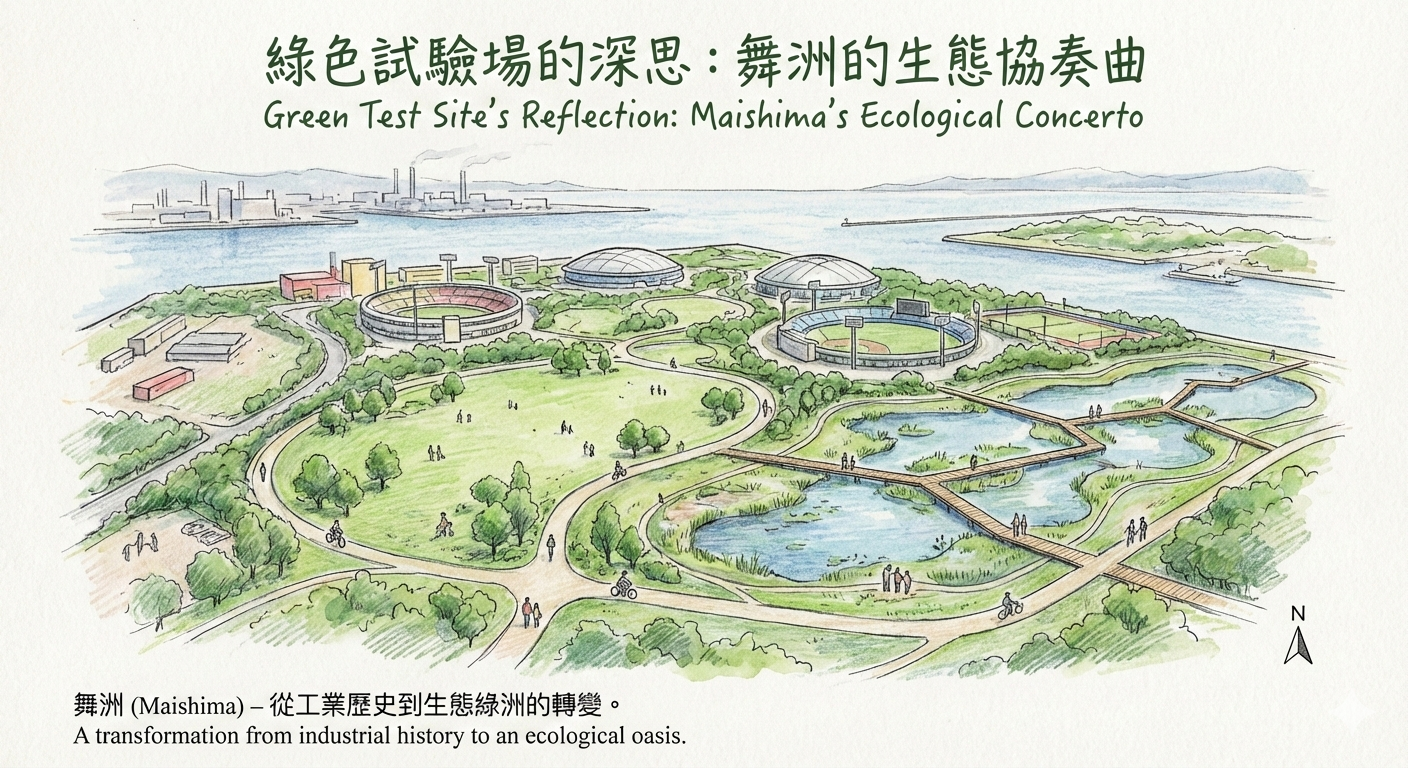
The Ajigawa Sluice Gate is one of these unsung heroes. This colossal structure stands guard at the mouth of the Aji River, a critical barrier protecting Konohana's dense industrial zones and residential areas from flooding. Its function is simple but vital: when the sea rises, the gate closes, saving the city from catastrophe.
More than just infrastructure, the water gate is a physical embodiment of resilience. It symbolizes the human determination to tame the raw power of water, a continuous battle waged to secure the city's future. The commercial vibrancy of modern attractions is built upon the silent, steadfast security this gate provides to the industrial heartlands and, by extension, to the entertainment empire later built upon them in Sakurajima.
This colossal structure is a heroic relic of industrial culture, a testament to the continuous, often invisible, effort required to keep a city safe.
The hidden gem is the view of the monumental Ajigawa Sluice Gate from the riverside. It’s a humbling spot to appreciate the silent, raw power of the infrastructure that allows a metropolis to thrive at the edge of the sea. Once the land was thus secured from the forces of nature, its very story could be completely rewritten.
The Dream Factory: Where Steel Mills Gave Way to Hollywood Magic
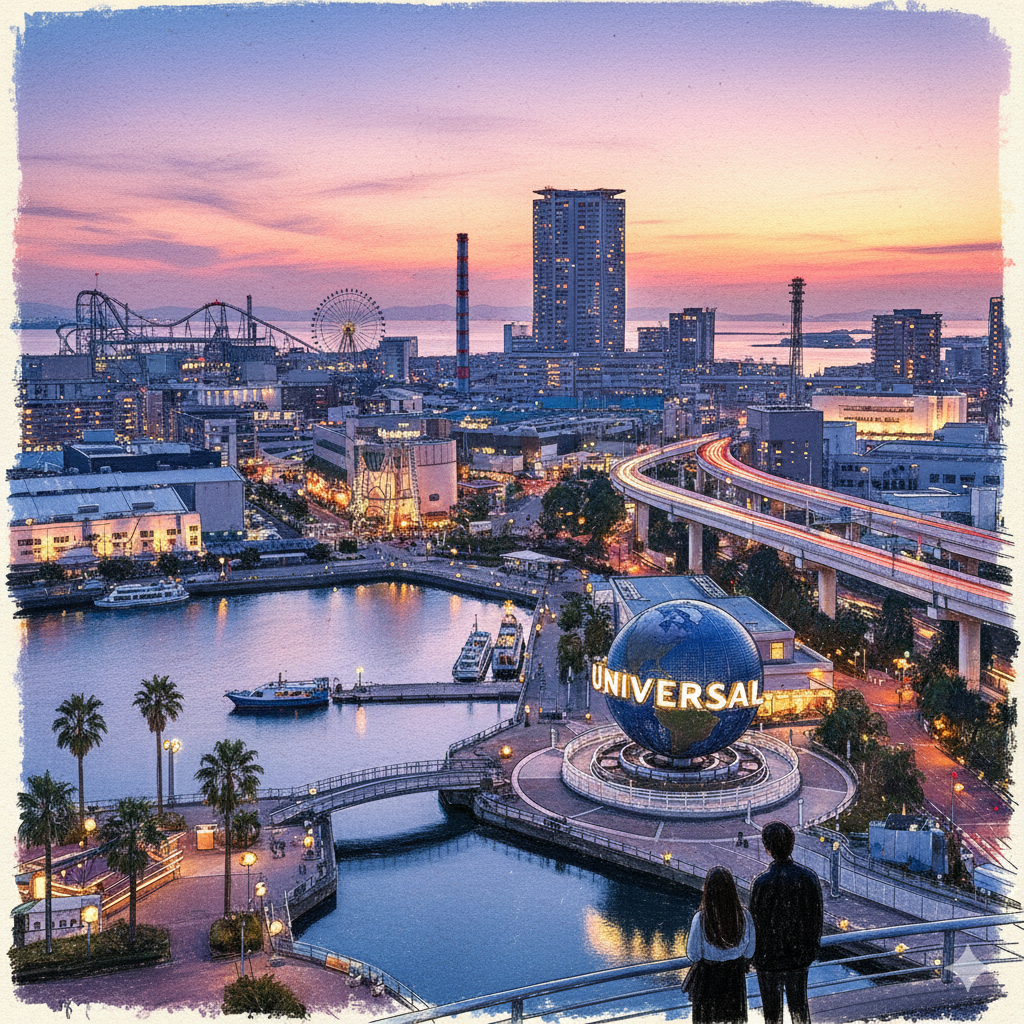
The district of Sakurajima offers the ultimate story of urban transformation in Osaka. It is a place that has undergone a complete "narrative translation," shifting from a symbol of one era to the global icon of another in the span of a single generation.
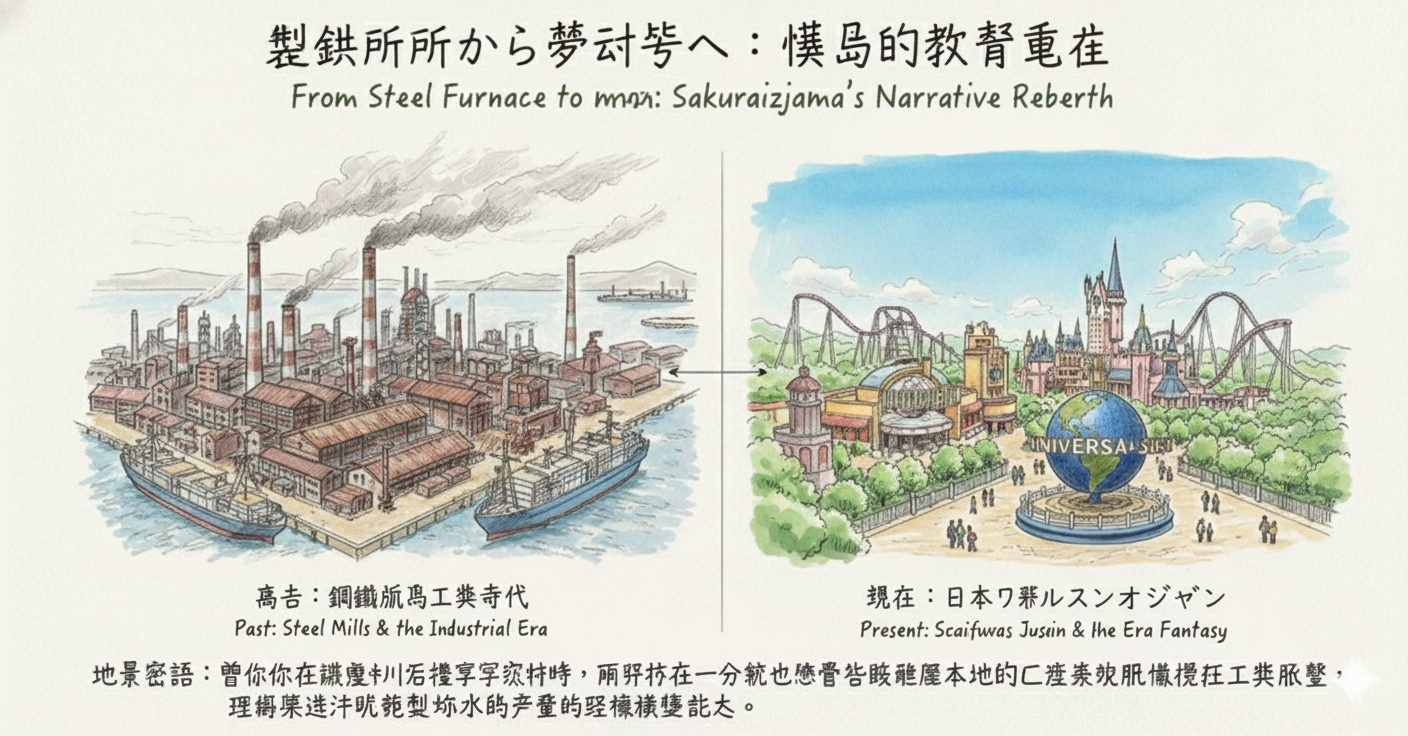
For decades, Sakurajima was the backbone of post-war Japan's manufacturing might. Its landscape was a powerhouse of heavy industry, defined by the smoke and noise of sprawling steel mills and shipyards. It was a place of production, of grit and sweat, where the raw materials of the modern economy were forged.
Then came a dramatic rebirth. As heavy industry declined, the vast industrial sites were completely reimagined with the arrival of Universal Studios Japan (USJ). This shift represents a fundamental economic translation from a production-oriented economy, which forged steel, to a service-oriented one, which manufactures fantasy. The currency of Sakurajima is no longer the tangible product, but the intangible experience. A district that once produced steel was re-engineered to produce fantasy, proving that a place's identity is not fixed; its value and meaning can be entirely reshaped by new cultural narratives.
The most profound hidden gem at USJ isn’t a ride, but a realization: the fantasy world you are enjoying stands on the very ground where the industrial sweat and steel of a previous generation built modern Osaka. This contrast is the ultimate story of the city's reinvention.
A City's Living Autobiography
From the dual-faced architecture of a tycoon's headquarters to an island of dreams built on refuse, Konohana Ward reveals the true essence of Osaka. These five stories, woven into the fabric of the land itself, showcase a relentless spirit of creation—a city constantly overcoming natural limits, atoning for its past, and rewriting its own identity.
Konohana's autobiography is written in this constant dialogue between the tangible earth and the audacious imagination, proving that a city's soul is forged in the tension between what it inherits and what it wills into existence. It is more than a place on a map; it is a living land's chronicle of resilience and reinvention, constantly being updated. What truly defines the soul of a city—the foundations it is built on, or the dreams it dares to build?