(ENG) 5 Hidden Histories That Will Change How You See Hong Kong's Ma On Shan
Ma On Shan's true identity lies beneath the polished veneer of its new town, in the silent ruins of the mine and the roots of the banyan tree.

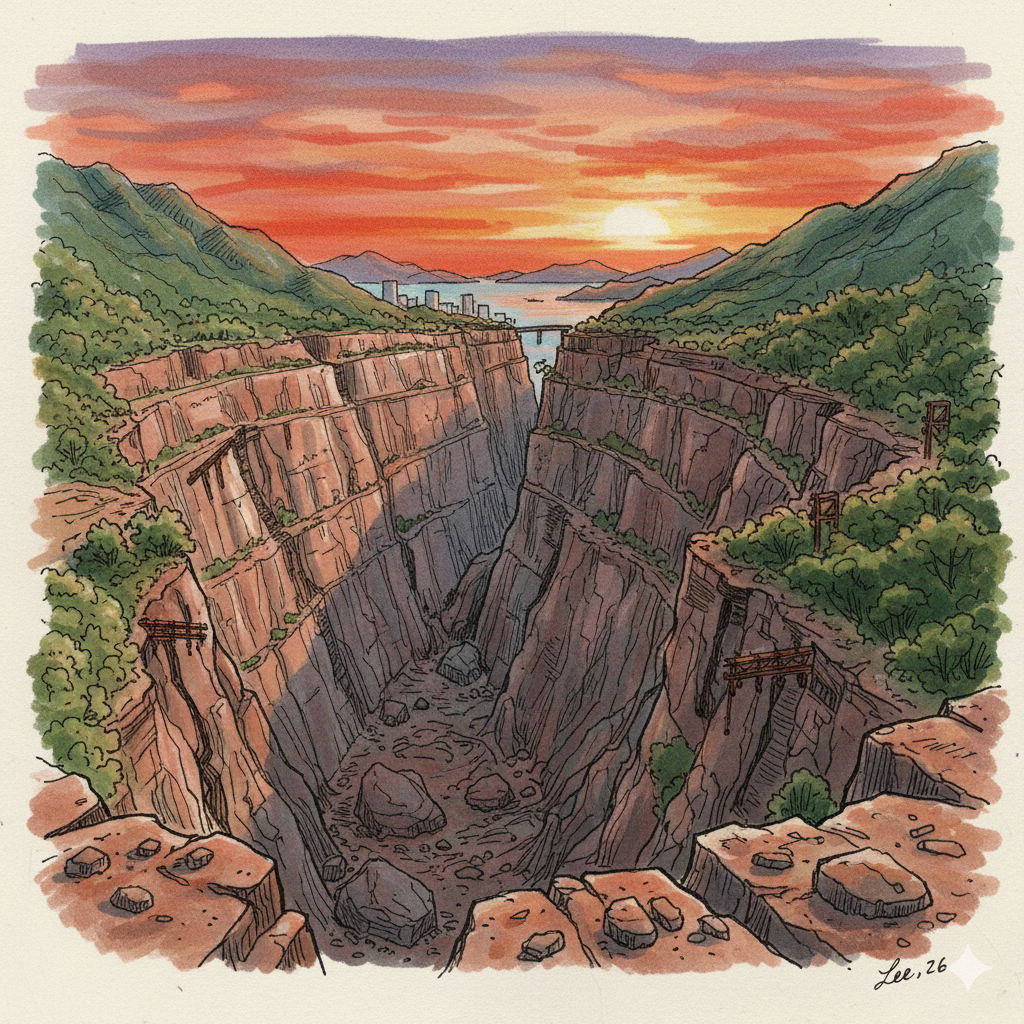
Ma On Shan is both unfamiliar and familiar to me. Unfamiliar, because I rarely go there, only visiting friends; familiar, because I know from my father that he came to Hong Kong as a refugee and worked as a miner in Ma On Shan for a time, the hardships of which are unimaginable. He also participated in Mass at St. Joseph's Church and witnessed the changes in Ma On Shan.
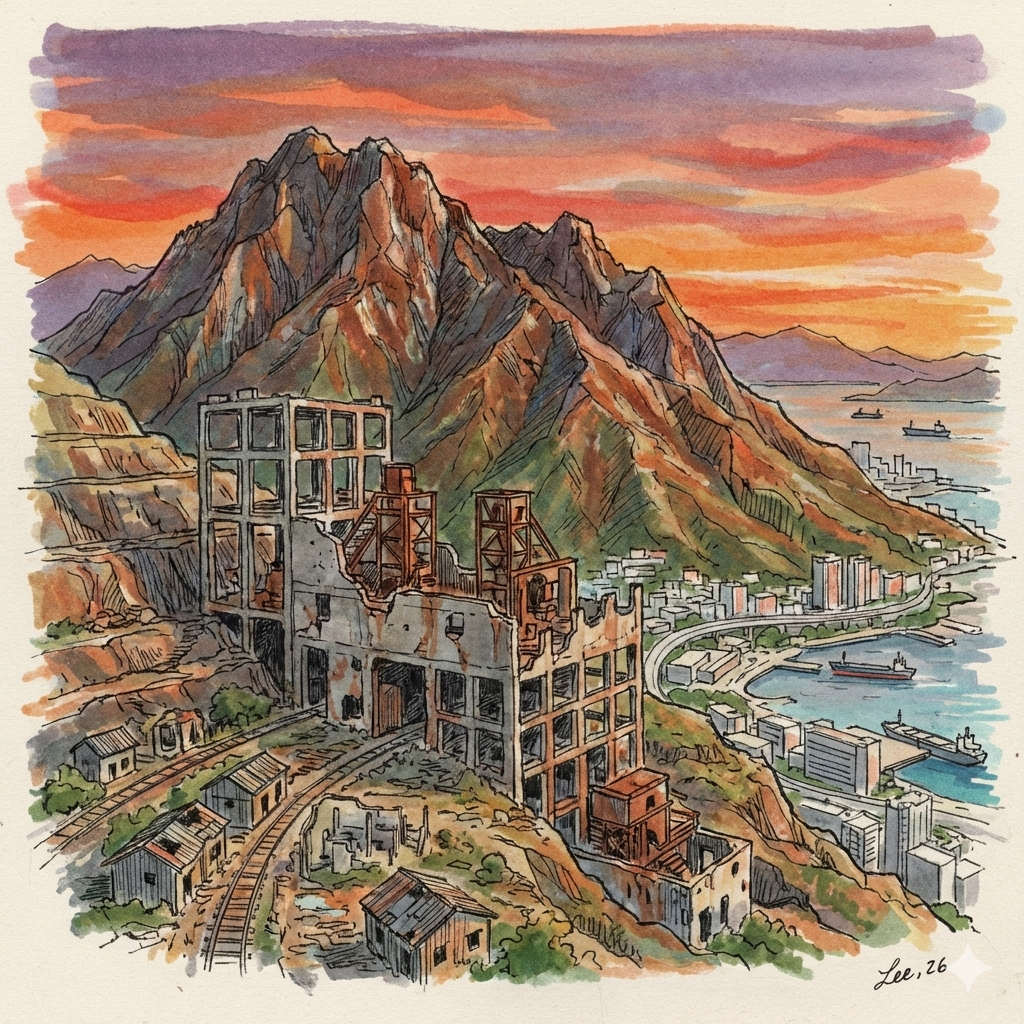
馬鞍山選礦廠遺址 Ma On Shan ore-dressing plant
Listen to the historical stories told in detail (For subscribers only)
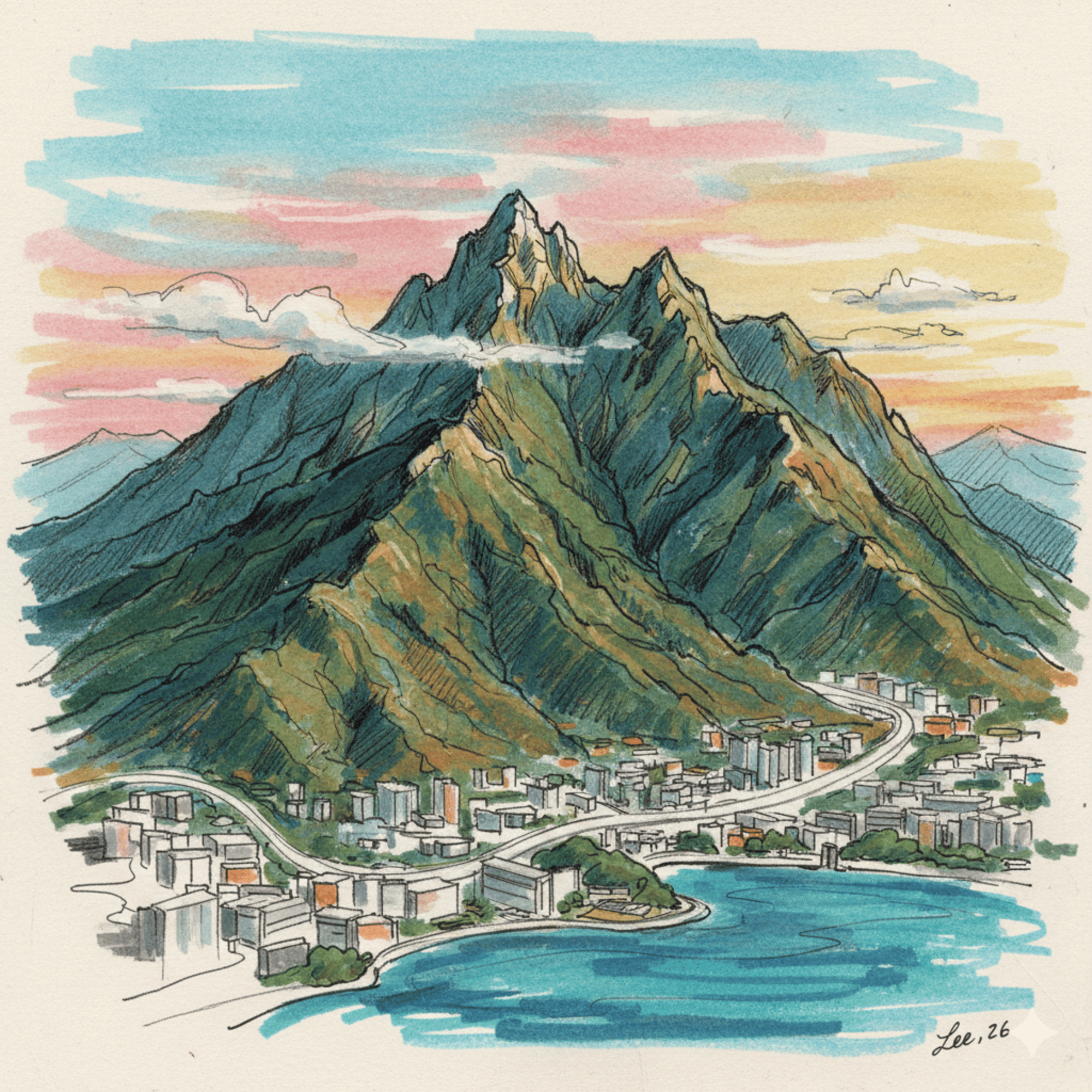
To the modern eye, Ma On Shan presents a familiar Hong Kong story: a meticulously planned new town of soaring residential towers set against a backdrop of lush green mountains. But beneath this orderly surface lies a different, almost forgotten narrative—a history written not in concrete and glass, but in iron ore, unwavering faith, and the deep roots of ancient clans. This landscape, often seen as merely a suburb of a bustling metropolis, holds the petrified remains of industrial ambition and the quiet resilience of centuries-old village life. To truly understand this place is to walk its hidden paths and listen to the stories embedded in its silent structures and enduring nature. This journey uncovers five surprising stories that reveal a chapter of Hong Kong’s history as rugged and compelling as the mountain itself.
The Five Hidden Histories of Ma On Shan
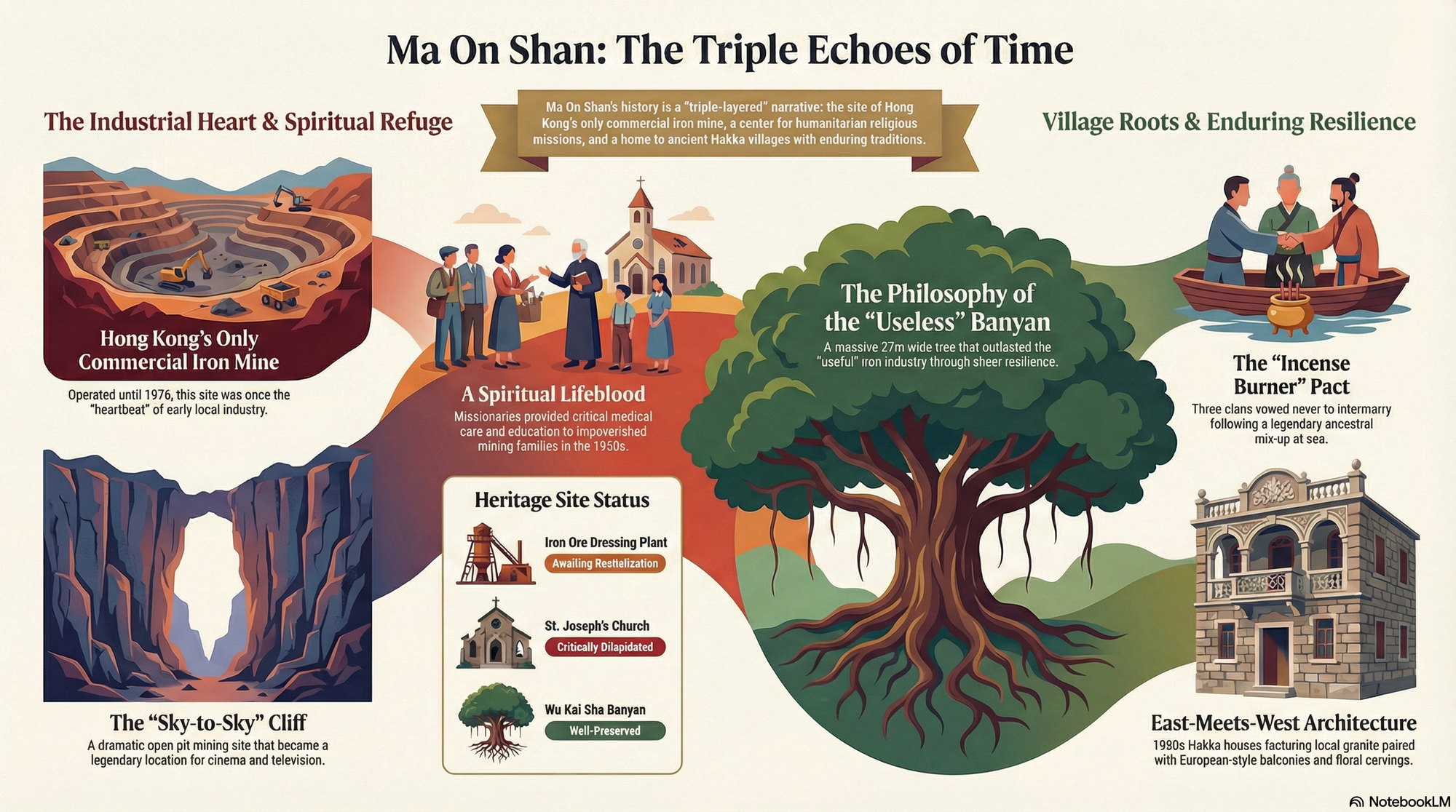
1. The Industrial Heartbeat That Fueled a Modern City
Long before Ma On Shan was a residential hub, it was the site of Hong Kong’s only economically significant iron mine—a critical but now-silent engine of the city's early development. For decades, this mountain pulsed with industrial activity, its ore feeding the furnaces of a growing economy.
The rise and fall of the Ma On Shan Iron Mine is a story of immense hardship and pivotal change. In the 1950s and 60s, miners toiled under grueling conditions for a daily wage of just one dollar. The mine’s eventual closure in 1976 was not due to exhausted resources, but to the convergence of two powerful forces. Firstly, the mining contract was nearing its end, and the government was already planning to develop Ma On Shan into the new town we see today. Secondly, Hong Kong’s economy was taking off, and the construction of the new MTR system offered higher wages and a better life, luring away the mine's skilled workforce. In this moment, one era of Hong Kong’s development—built on heavy industry and raw extraction—gave way to the next, built on modern infrastructure and finance.
Today, the most powerful relic of this era is the massive, skeletal structure of the Ma On Shan ore-dressing plant. Standing silent against the mountainside, it is the petrified heartbeat of that bygone age. This industrial noise faded, but the process of extraction left behind a different kind of legacy—a silent, dramatic scar on the mountainside with a story all its own.
2. The Industrial Scar That Became a Secret Film Set
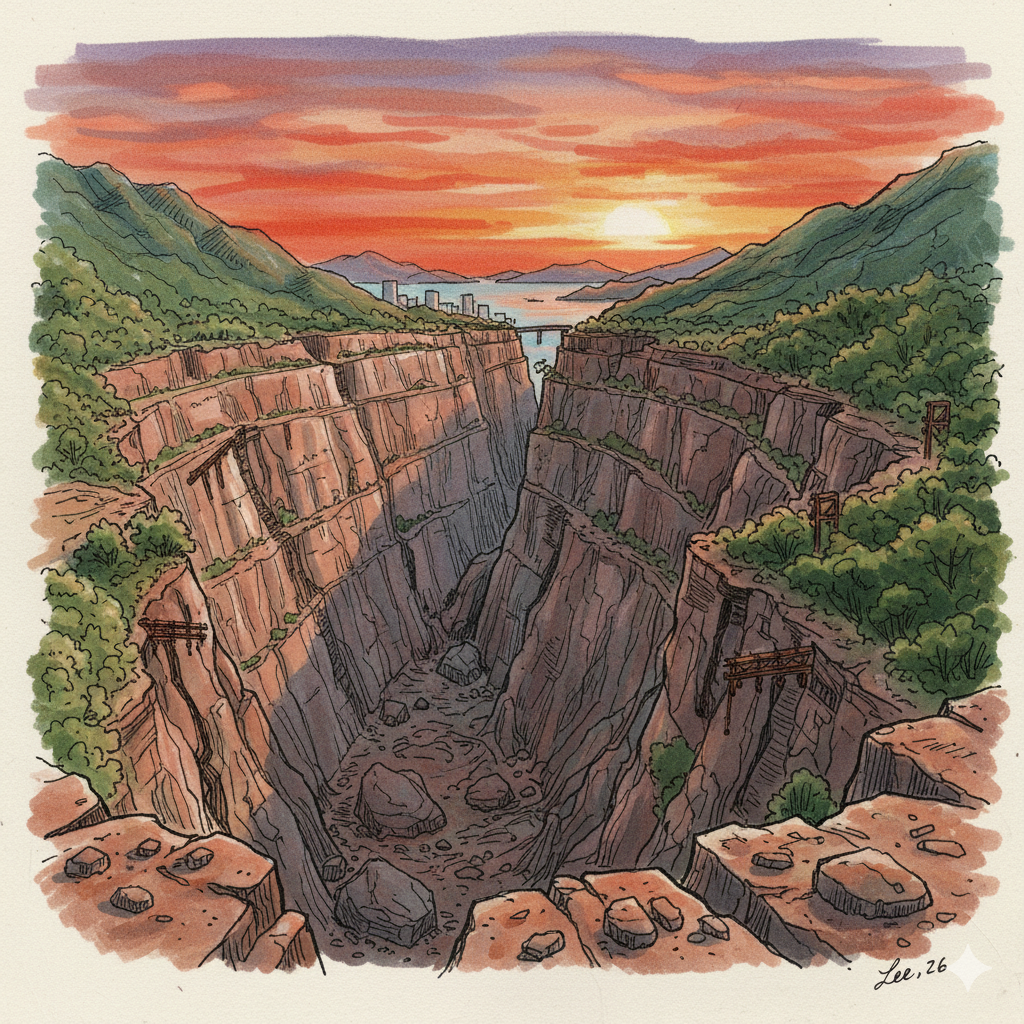
The process of extracting the mountain's iron heart left a dramatic and unintentional mark on the landscape. Before operations moved entirely underground, open-pit mining carved a spectacular, almost alien amphitheater into the mountainside. The miners themselves gave this place a fittingly poetic name: "Tin Ngoi Tin" (天外天), or "a sky beyond the sky."
This man-made landscape, with its "dramatic cliffs and a deep abyss," possesses a unique and dangerous aesthetic. Its raw, theatrical quality was not lost on Hong Kong's creative industries, and Tin Ngoi Tin soon became a celebrated filming location, its otherworldly scenery serving as a backdrop for numerous film and television productions. This accidental marvel transformed an industrial relic into a cultural touchstone.
For the modern explorer, its value lies in its untouchable magnificence. It must be stated clearly: the interior tunnels and mining shafts are now dangerously unstable, with collapsed roofs and fallen rocks, making them entirely unsafe to enter. The true experience of Tin Ngoi Tin is to view it from safe, external viewpoints. Yet within this harsh, man-made wilderness, an entirely different story of human compassion and faith was taking root.
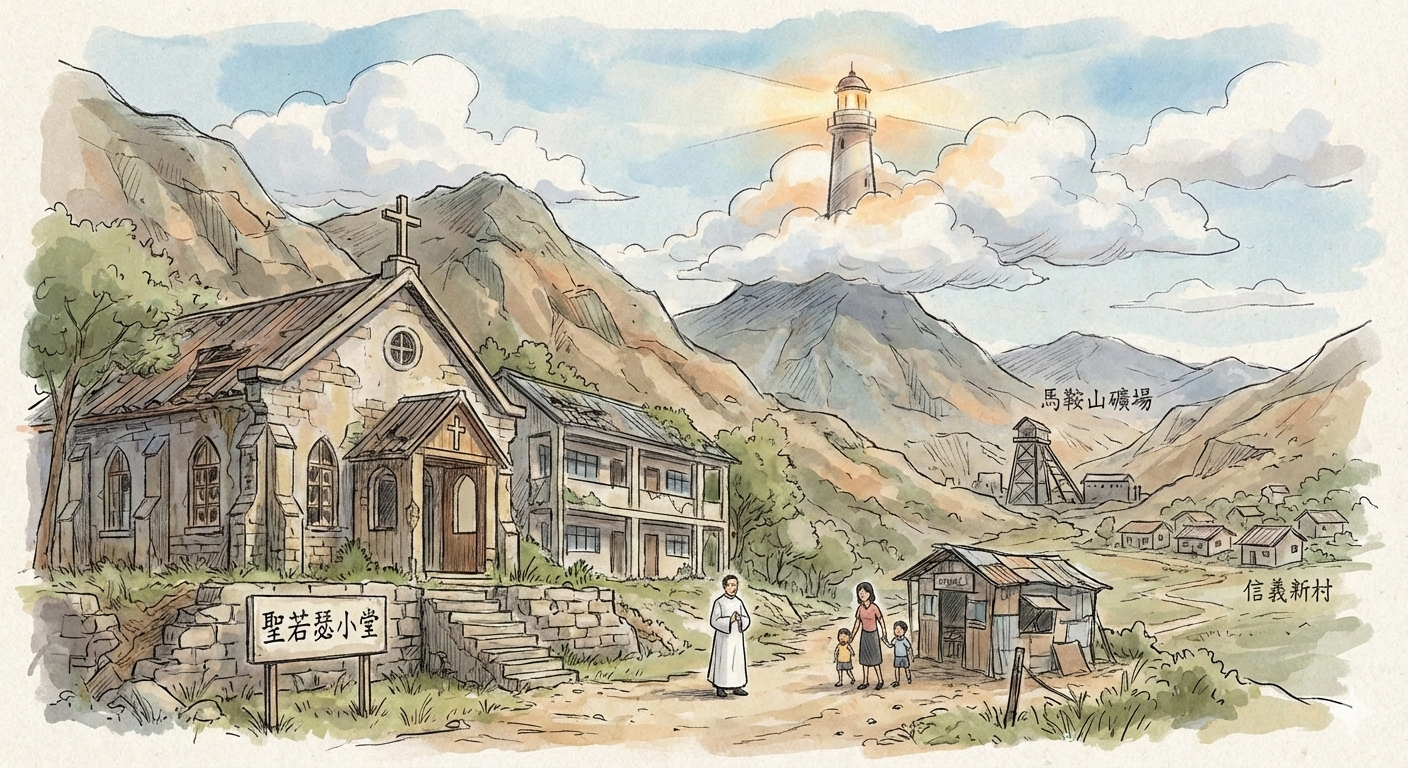
3. The Mountain Sanctuary Built on Faith and Compassion
Life in the isolated mining community was relentlessly harsh. In this environment of physical toil and scant medical care, religious organizations stepped in to provide not just spiritual solace, but the very foundations of a humane community: education and healthcare. Their work represents a chapter of profound compassion written against a backdrop of industrial struggle.
In 1952, the Catholic Franciscan Order established the St. Joseph's Church and Primary School high on the mountain. Around the same time, in 1951, the Lutheran church founded its own school and, later, a kindergarten at the Grace Youth Camp. This spirit of dedication is perfectly embodied in the story of Ms. Qiu Yuzhu, a music teacher from a wealthy city family. She left her comfortable life to teach in a remote mountain school that had "no music room and no piano," driven purely by her passion to serve the community's children.
Tragically, the physical legacy of this faith is crumbling. The St. Joseph's Church complex, though recognized as a historic site, is in a state of severe disrepair. Collapsed walls, scattered bricks, and decaying structures stand in stark contrast to the resilient spirit they once housed. It is a powerful lesson in how the enduring strength of belief can be betrayed by the fragility of its physical vessel. While the fifty-year saga of the mine and its community burned brightly and then faded, a much older, quieter history endured just down the slope, rooted not in transient industry but in the soil itself.
4. The Ancient Tree That Held the Secret to Survival
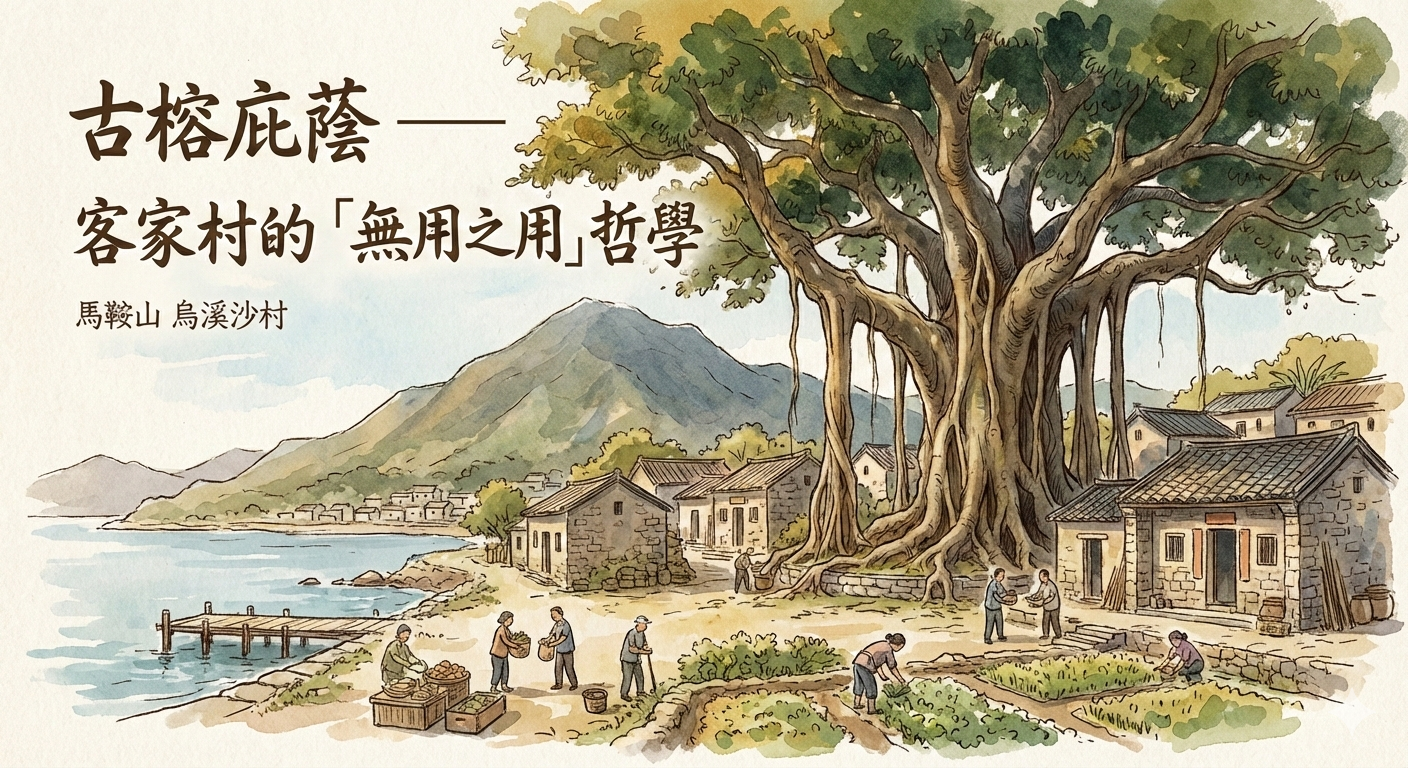
In stark contrast to the intense, transient history of the mine stands the ancient Hakka settlement of Wu Kai Sha Village. Nestled by the coast, this community represents a different philosophy—one of permanence, self-sufficiency, and a deep, symbiotic relationship with the land. The villagers were farmers who bartered their rice and vegetables with neighboring fishermen for their daily catch, living a life dictated by seasons, not production quotas.
The spiritual and physical anchor of this village is a magnificent ancient banyan tree, so grand it is officially listed on Hong Kong’s Register of Old and Valuable Trees. With a sprawling crown 27 meters wide, supported by 18 powerful aerial roots that have become trunks in their own right, it is a living monument to endurance. This tree embodies a profound philosophy, captured in the ancient text Guangdong Xinyu:
"The Banyan's character is to contain or tolerate. It often becomes a great shelter for people, protecting them from wind and rain. And because its wood has no practical use, it is tolerated by the axe. This is why it is called 'Rong' (the tolerator)."
Here lies a powerful metaphor for Ma On Shan's dual histories. The "useful" iron ore was exploited to exhaustion, leading to the mine's death. The "useless" banyan tree, by offering shelter instead of resources, was left untouched. It survived to become a timeless spiritual sanctuary, proving that true value often lies not in what can be taken, but in what can simply endure. This theme of deep-rooted heritage extends from the natural landscape to the man-made structures of another nearby clan.
5. The Secret Pacts and Hybrid Homes of an Ancient Clan
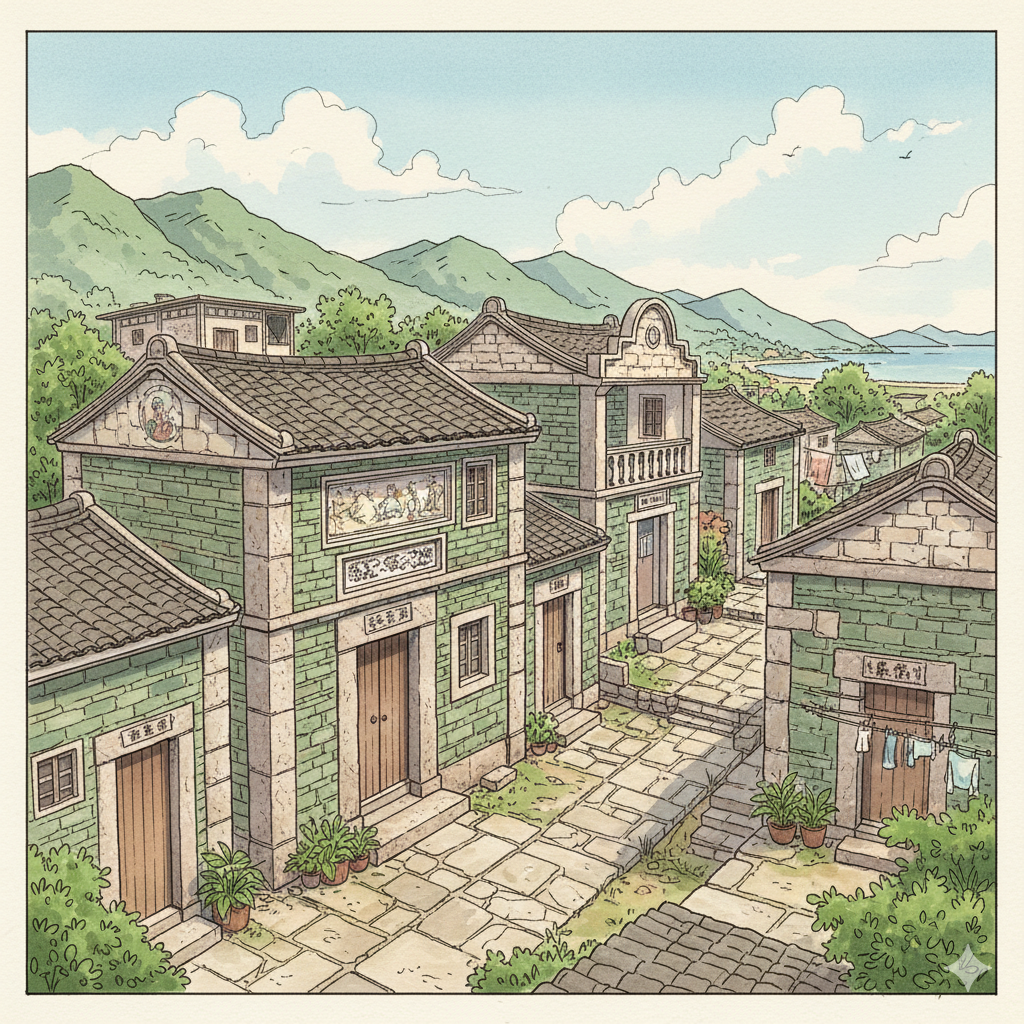
Another key Hakka settlement, Tai Shui Hang Village, offers a living museum where history is preserved in both oral tradition and weathered stone. Its stories reveal a community shaped by pacts, promises, and a graceful adaptation to a changing world.
One of the village's most fascinating stories is a unique oral history still honored today. Centuries ago, the ancestors of the local Zhang clan were caught in a typhoon at sea alongside the Luo and Feng clans. In the chaos, their ancestral incense burners were mixed up, making it impossible to know whose was whose. To prevent any future confusion in their lineage, the three clans made a solemn pact: their members would never intermarry.
This deep sense of history is also visible in the village architecture. Tai Shui Hang Village House #6, built in 1939, is a remarkable pre-war building that tells a story of cultural fusion. It combines traditional Chinese blue bricks and local granite with a distinctly Western-style balcony, complete with elegant vase-shaped railings. This hybrid design is a physical testament to how the village selectively embraced outside influences while holding fast to its core identity. A walk through the old alleys of Tai Shui Hang is a journey through the tangible history of a family and a people navigating their place in a modernizing Hong Kong.
The Enduring Value of the 'Useless'
Ma On Shan's story is not singular; it is a rich tapestry woven from the threads of industry, faith, and ancient culture. Its true identity lies far beneath the polished veneer of its new town, in the silent ruins of the mine and the steadfast roots of the village banyan tree.
Revisiting the powerful metaphor of that ancient tree offers a final, profound insight. The iron ore, deemed "useful," was consumed by progress and is now gone. The banyan, considered "useless" for timber, was spared. In its uselessness, it found its true purpose: to tolerate, to shelter, and to endure as a keeper of memory. It reminds us that the lasting value of a place often lies not in what can be exploited, but in what can be preserved. For the thoughtful traveler, the deepest understanding of Hong Kong comes not from its skylines, but from seeking out these layered stories on foot, and discovering the profound strength hidden in the things time has chosen to spare.
For more journeys into Hong Kong's hidden past, please subscribe to our newsletter for stories delivered to your inbox.
References
- 礦場及有關歷史建築的文化意義- 沙田今昔 - 馬鞍山民康促進會, accessed October 25, 2025
- 礦山開採的歷史及目前狀況- 沙田今昔 - 馬鞍山民康促進會, accessed October 25, 2025
- 馬鞍山礦工生活- 鞍山歲月, accessed October 25, 2025
- 礦村遺產 - Grace Youth Camp, accessed October 25, 2025
- 馬鞍山礦場- 古蹟天行樂Skywalker's Heritage - 天行足跡, accessed October 25, 2025
- 堂區歷史 - 天主教聖方濟堂, accessed October 25, 2025
- (沙田)馬鞍山村五古蹟僅一活化礦場天主堂失修恐塌 - 《我家》Homemory, accessed October 25, 2025
- 馬鞍山的客家村落- 鞍山歲月, accessed October 25, 2025
- 大水坑- 沙田今昔 - 馬鞍山民康促進會, accessed October 25, 2025
- 大水坑村16-18號- 古蹟天行樂Skywalker's Heritage - 天行足跡, accessed October 25, 2025
- 大水坑村6號- 古蹟天行樂Skywalker's Heritage - 天行足跡, accessed October 25, 2025
- 加强鞍礦工業的轉型再利用—打造文化鞍山 - 維普期刊中文期刊服務平台, accessed October 25, 2025,
- 香港政府新聞網- 郊野藏故事礦洞尋歷史, accessed October 25, 2025
 Lawrence
 Lawrence