(ENG) Beyond the Neon: 5 Stories That Reveal the True Soul of Hong Kong's Sham Shui Po
As cities around the world modernize, how do we ensure in our rush to build the new, not erasing the very spirit? Sham Shui Po has the answer.

鴨寮街跳蚤市場 Apliu Street Flea Market > 美荷樓生活館 YHA Mei Ho House Youth Hostel
Listen attentively to the historical stories told in detail
The City's Living Museum
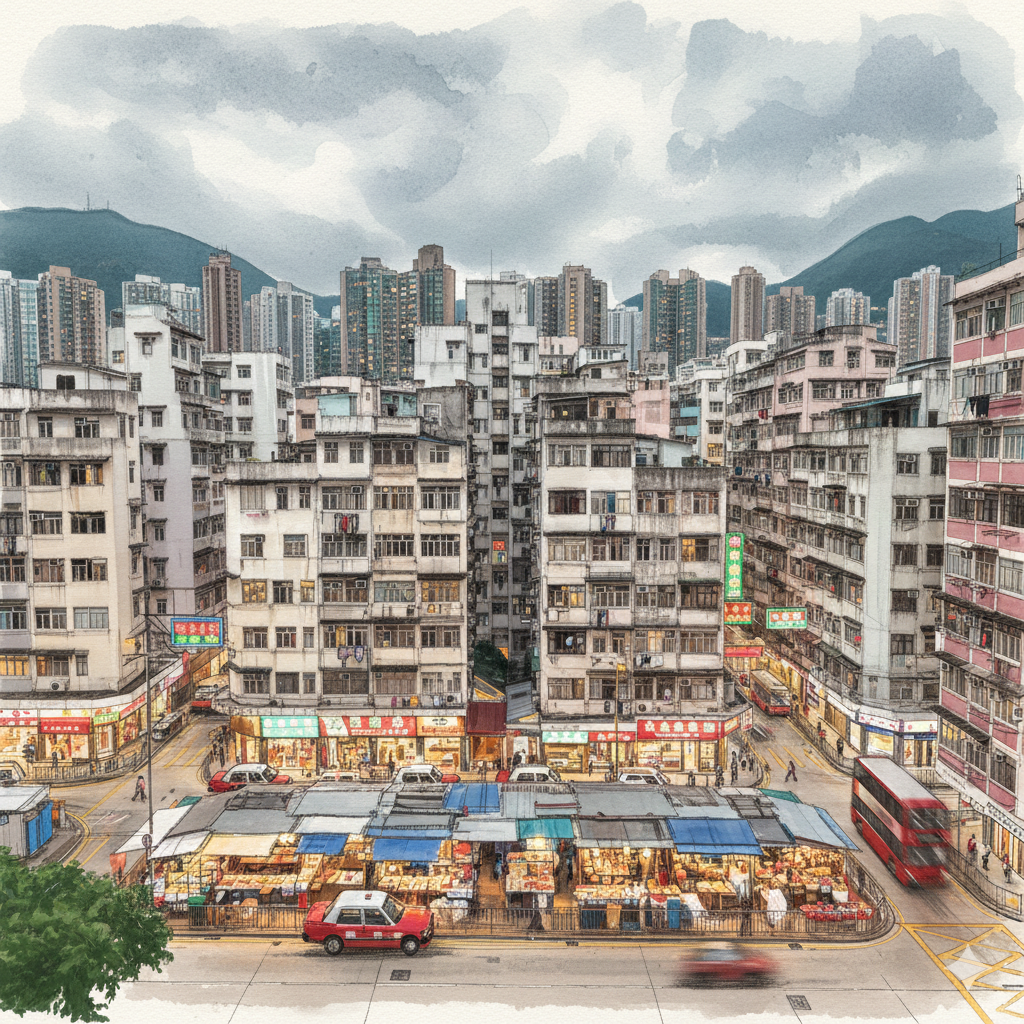
At first glance, Sham Shui Po is a sensory overload—a kaleidoscope of bustling street markets, the aroma of sizzling street food, and the hum of a district that never seems to sleep. It’s famous for cheap electronics, fashion finds, and some of the city's most beloved local eateries. This is the Sham Shui Po that most people know, a vibrant and chaotic hub of grassroots commerce.
But its very name holds a secret that hints at a deeper story. "Sham Shui Po" (深水埗) literally means "deep water pier," a nod to its past as a bustling waterfront hub for fishermen and merchants. Yet today, due to decades of land reclamation, the district sits far inland. This physical transformation—from coastline to concrete—is a powerful metaphor for the people who have called this place home. Every crowded alley and aging tenement building tells a story of survival, tragedy, and reinvention, of a community that has constantly adapted to the changing tides of history.
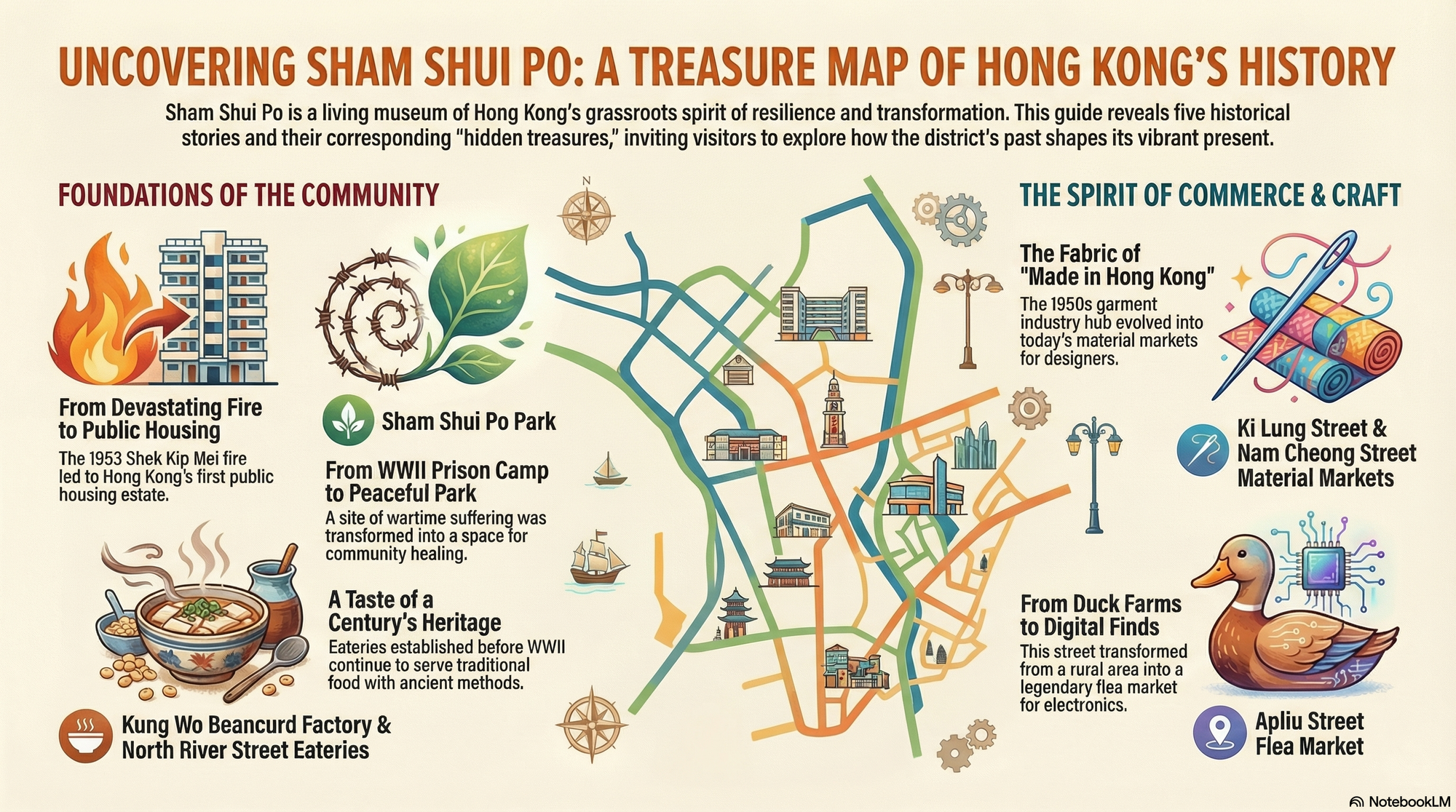
This journey is about uncovering that story. We will explore five surprising historical narratives that reveal the true character of Sham Shui Po. From the ashes of a great fire to the quiet grounds of a former war camp, these stories and their hidden gems offer a profound glimpse into the resilience and spirit of Hong Kong and its people.
From a Sea of Fire, a City’s Conscience Was Born
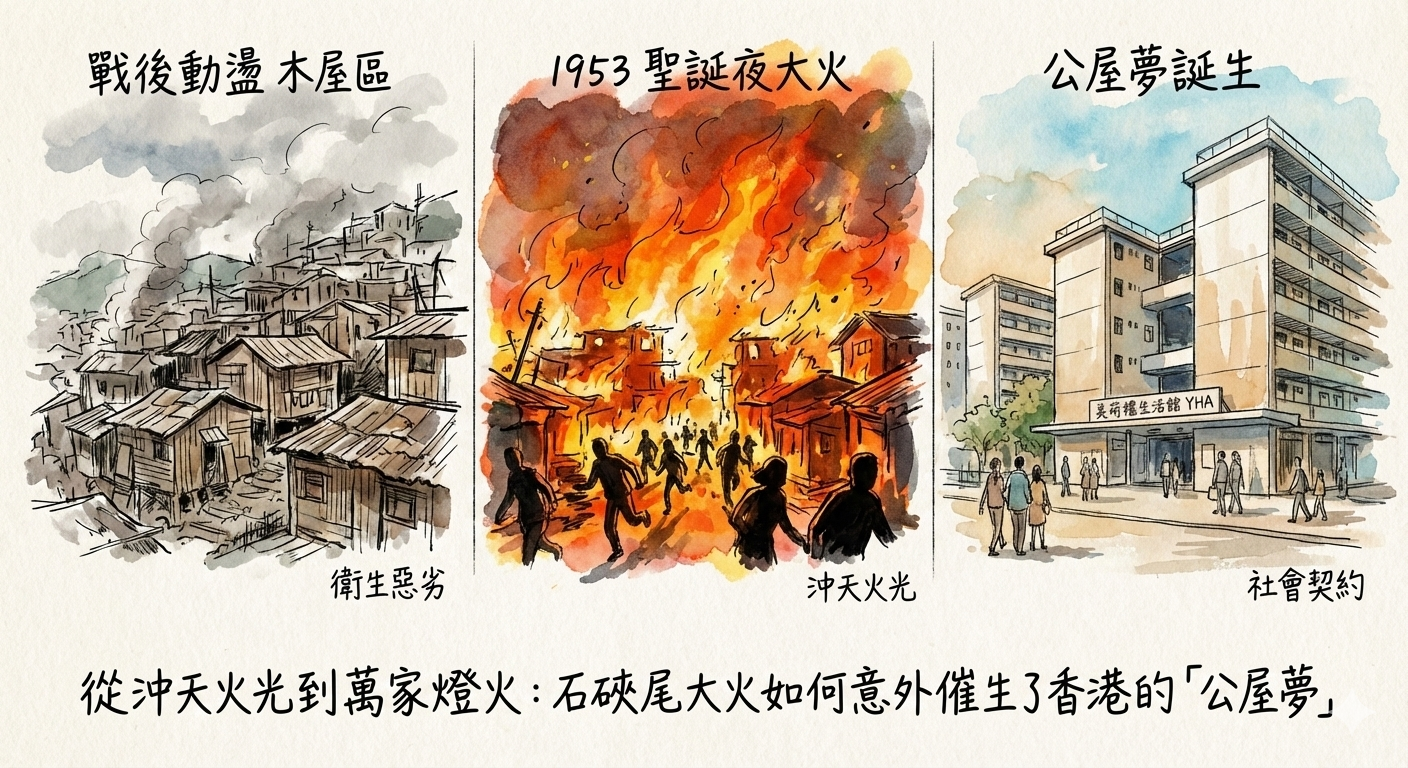
In the years after the Second World War, Sham Shui Po became a first stop for waves of refugees arriving from Mainland China. Lacking resources and housing, they built vast communities of precarious wooden huts on the hills of Shek Kip Mei. These settlements were incredibly dense, with poor sanitation and the constant threat of disaster.
That disaster struck on Christmas Day in 1953. A catastrophic fire swept through the Shek Kip Mei shantytown, leaving tens of thousands of people homeless overnight. In the face of this immense tragedy, however, something extraordinary happened. For the first time, the colonial government was forced to take direct responsibility for housing its poorest citizens. This pivotal moment led to the creation of Hong Kong’s very first public resettlement estate in 1954.
Born from the ashes, the public housing system became a cornerstone of Hong Kong's social stability and a "precious historical heritage." The only remaining H-block building from that original estate has been preserved and revitalized as the YHA Mei Ho House Youth Hostel. Inside, its heritage museum allows visitors to step back in time, explore replicas of the tiny living units, and understand the hardship, community spirit, and resilience that defined an entire generation.
From a Prisoner-of-War Camp, a Space for Peace Emerged
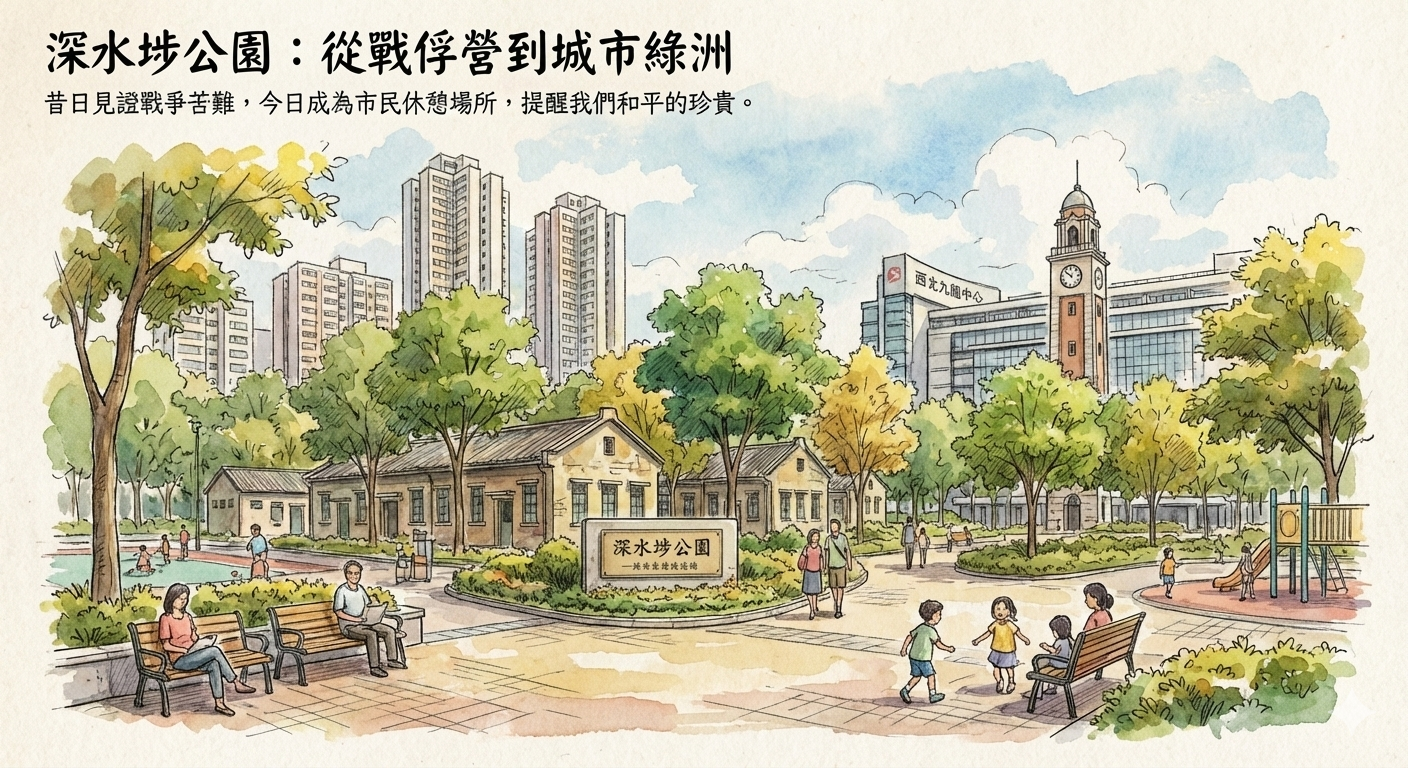
Built in 1927 for the British military, the Sham Shui Po Barracks holds one of the darkest chapters in the district’s history. During the Japanese occupation of Hong Kong in World War II, the barracks were converted into a brutal prisoner-of-war camp. Thousands of British, Canadian, and Indian soldiers were held here in horrific, overcrowded conditions, where many died from starvation and diseases like dysentery and diphtheria.
The land’s history as a container for human crisis did not end there. In the following decades, parts of the site were used to house Vietnamese refugees. It was a piece of land that bore silent witness to wave after wave of conflict and displacement.
The surprising transformation of this site of immense trauma is what makes its story so powerful. Today, the former barracks land has been completely redeveloped into a complex tapestry of community life: public housing estates like Lai Kok Estate and Lai On Estate, the bustling West Kowloon Centre shopping mall, and a peaceful public park. The most contemplative of these hidden gems is Sham Shui Po Park, an act of profound "urban healing." Its quiet greenery stands in stark contrast to its violent past, offering a space to reflect on war, peace, and the many ways a city can reclaim and sanctify its most tragic grounds.
From Golden-Age Factories, a Designer's Treasure Trove Remains
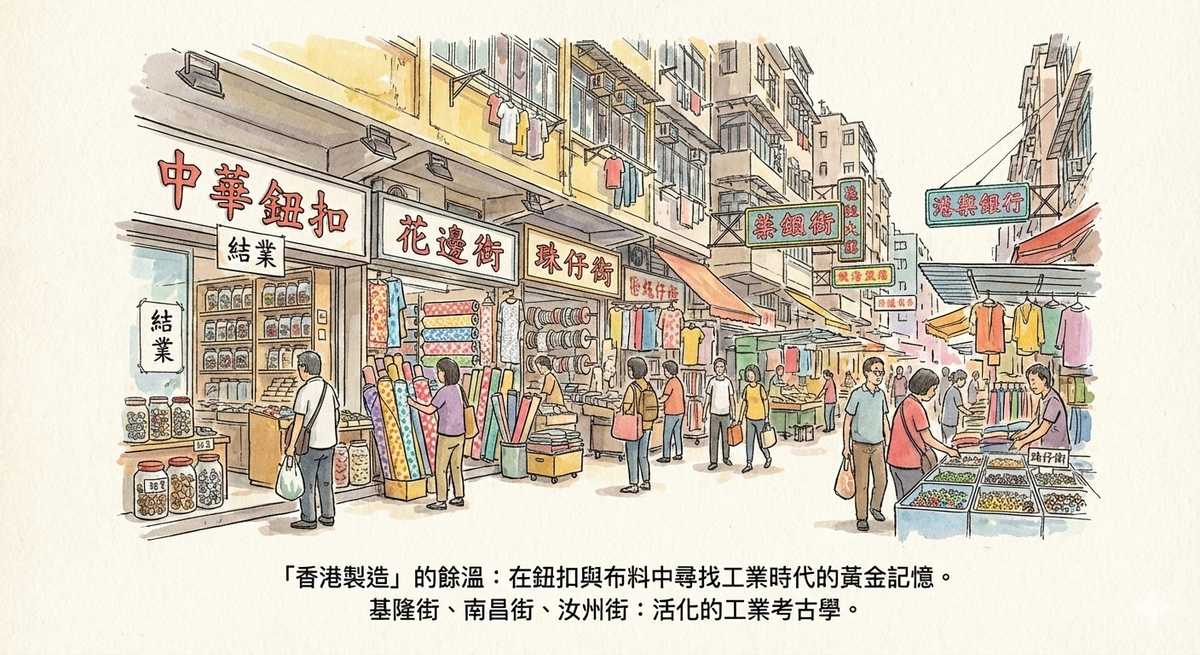
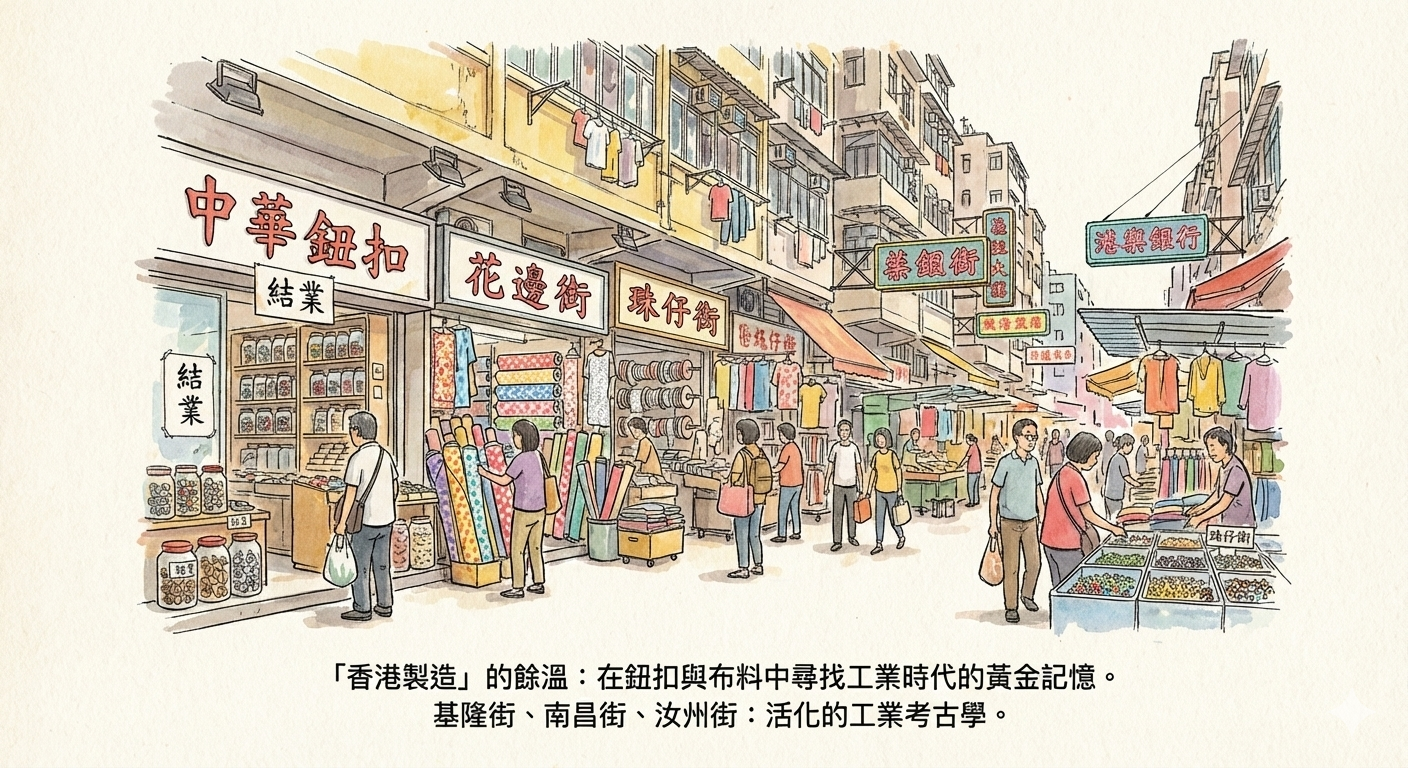
In the 1950s and 60s, Sham Shui Po was the humming heart of Hong Kong’s booming garment and textile industry. Factories and mills filled the district, creating a powerful "cluster effect" that gave rise to an entire ecosystem of suppliers. Entire streets became dedicated to providing the factories with every button, zipper, and piece of lace they could possibly need.
That legacy lives on today. To find this hidden gem, you simply need to walk down Ki Lung Street, Nam Cheong Street, and Yu Chau Street. Known colloquially as the "Button, Lace, and Bead Streets," this area remains a vibrant, living archive of the "Made in Hong Kong" golden age, a treasure trove for designers, artists, and crafters.
But this world is fragile. The recent closure of Chung Hwa Buttons, a shop that had operated for nearly 70 years, is a poignant reminder that this ecosystem is slowly disappearing. It wasn't just any button shop; it was famous for its exclusive specialty: beautiful buttons crafted from seven-colored seashells. A visit here is not just about shopping; it’s a form of "living industrial archaeology"—a chance to witness a world of specialized craftsmanship before it fades into memory.
From Duck Farms, an Electronic Wonderland Grew
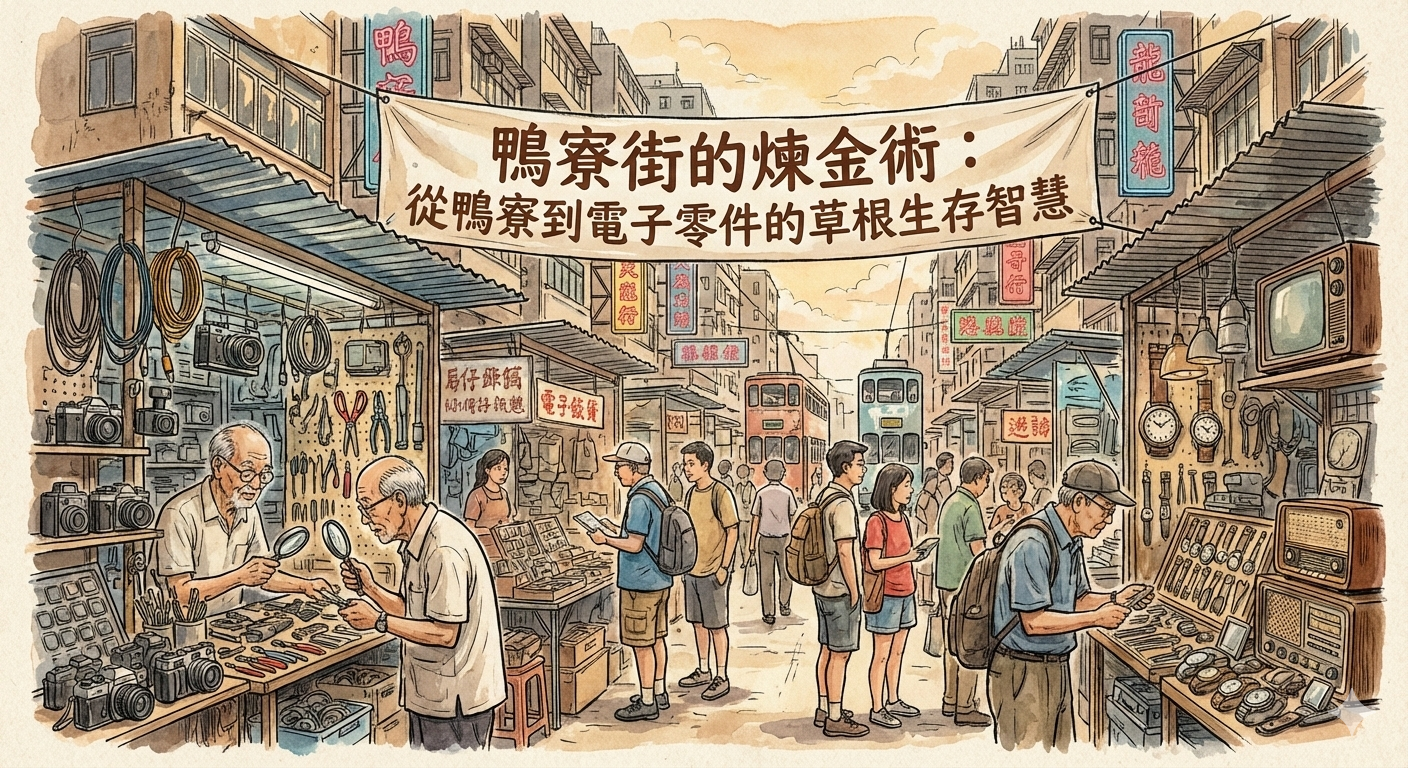
The name "Apliu Street" literally refers to the duck pens that once populated this area when Sham Shui Po was still semi-rural. Its first transformation began when locals, seeking to make ends meet, started selling secondhand goods on the street. This flea market was born from an ultimate survival philosophy—a grassroots instinct to "turn waste into treasure" and make the most of every resource.
The street’s second, more famous transformation occurred in the 1970s. As Hong Kong grew into a global electronics manufacturing hub, local factories would sell their surplus or slightly imperfect parts on Apliu Street. In a stunning display of commercial adaptability, the street morphed into an unofficial recycling, repair, and parts supply chain hub.
Today, the Apliu Street Flea Market is more than just a place to find cheap chargers; it's a "tech antique" museum. This hidden gem invites you to join the thrill of the hunt. You can rummage through stalls piled high with vintage audio equipment, old vinyl records, retro cameras, and all manner of obscure gadgets, experiencing a unique culture of urban treasure hunting.
From a Bowl of Tofu Pudding, a Taste of a Century's Resilience
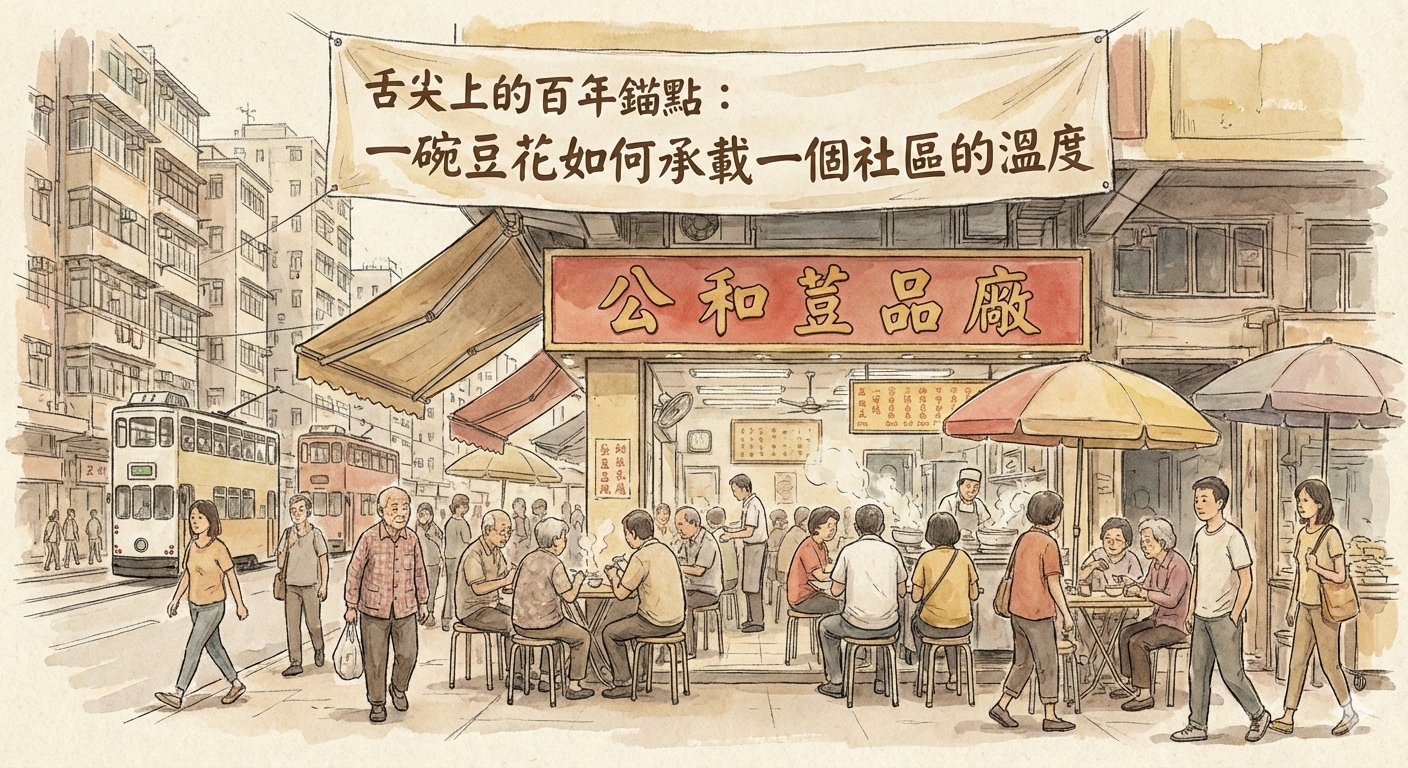
For generations, the heart of community life in Sham Shui Po has been its bustling street markets (街市), like the one on Pei Ho Street. Amid decades of dramatic change, the district's long-standing, family-run eateries have served as "culinary anchors," providing a comforting sense of continuity for the working-class community. In a district where many live in challenging conditions like subdivided flats (劏房), these affordable, high-quality institutions are essential spaces that uphold a sense of dignity and quality of life.
The most iconic of these hidden gems is the Kung Wo Beancurd Factory. Founded in 1893, it has been serving silky tofu pudding and other soybean delicacies using ancient stone-grinding methods for over a century. The neighborhood’s resilience is also captured in the story of Kwan Heung Old Bakery, a beloved institution that closed down only to stage a miraculous rebirth thanks to community support. Alongside Michelin-recommended mainstays like Man Kee Cart Noodles, these establishments offer more than a meal. Tasting their food is a way to connect with the enduring community spirit of the neighborhood, one delicious bite at a time.
A Story of a City in Every Footstep
Woven together, these five stories reveal the common threads of "Resilience" and "Transformation" that define Sham Shui Po. Its history is the story of Hong Kong in miniature—a powerful testament to how its people have consistently adapted, rebuilt, and found ingenious ways to thrive. This indomitable, can-do spirit is the perfect embodiment of the "Lion Rock Spirit," the city’s cultural touchstone representing the perseverance of a generation that built a metropolis out of hardship.
Today, this unique character faces modern threats. Rising costs are squeezing out small businesses, and beloved old shops are disappearing, taking their stories with them. But there is hope. Deep cultural tourism, where visitors come not just to consume but to understand, can become a positive force, supporting these local businesses and helping preserve their legacy. By choosing to spend our time and money here, we become more than tourists; we become active participants in the continuation of these stories.
This brings us to a question that extends far beyond one neighborhood. As cities around the world modernize, how do we ensure that in our rush to build the new, we don't erase the very spirit that gives them their soul? Sham Shui Po offers a living answer, reminding us that a city's true value lies not just in its gleaming towers, but in the history held within its oldest streets.
 Lawrence
 Lawrence