(ENG) Funabashi City's "craftsman spirit" and Alysa Liu's "independent craftsman" qualities
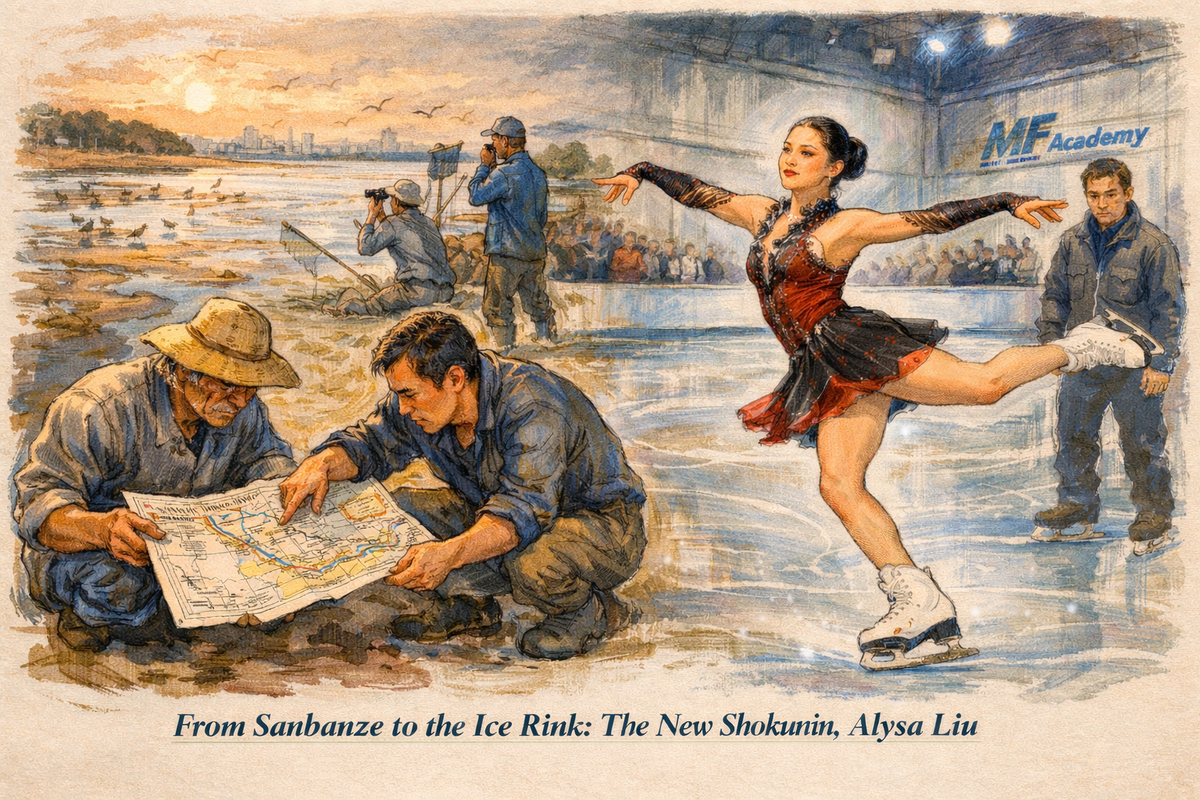
Watching Alysa Liu's silky-smooth performance on the ice, one can't help but wonder where her unique confidence and skill come from. Research reveals that the spirit of Funabashi merges with her precise edge control and "awakening of subjectivity" on the ice.

How did the 1868 Funabashi War transform the city's future?
What will be the connection between Shogun Tokugawas and local fishing?
What makes the MF Academy’s approach to figure skating unique?
Watching Alysa Liu's silky-smooth performance on the ice, one can't help but wonder where her unique confidence and skill come from. Research reveals that she spent a significant amount of time training in Funabashi City, Chiba Prefecture, where the spirit of Funabashi merges with her precise edge control and "awakening of subjectivity" on the ice.
The Muddy Threshold of the East
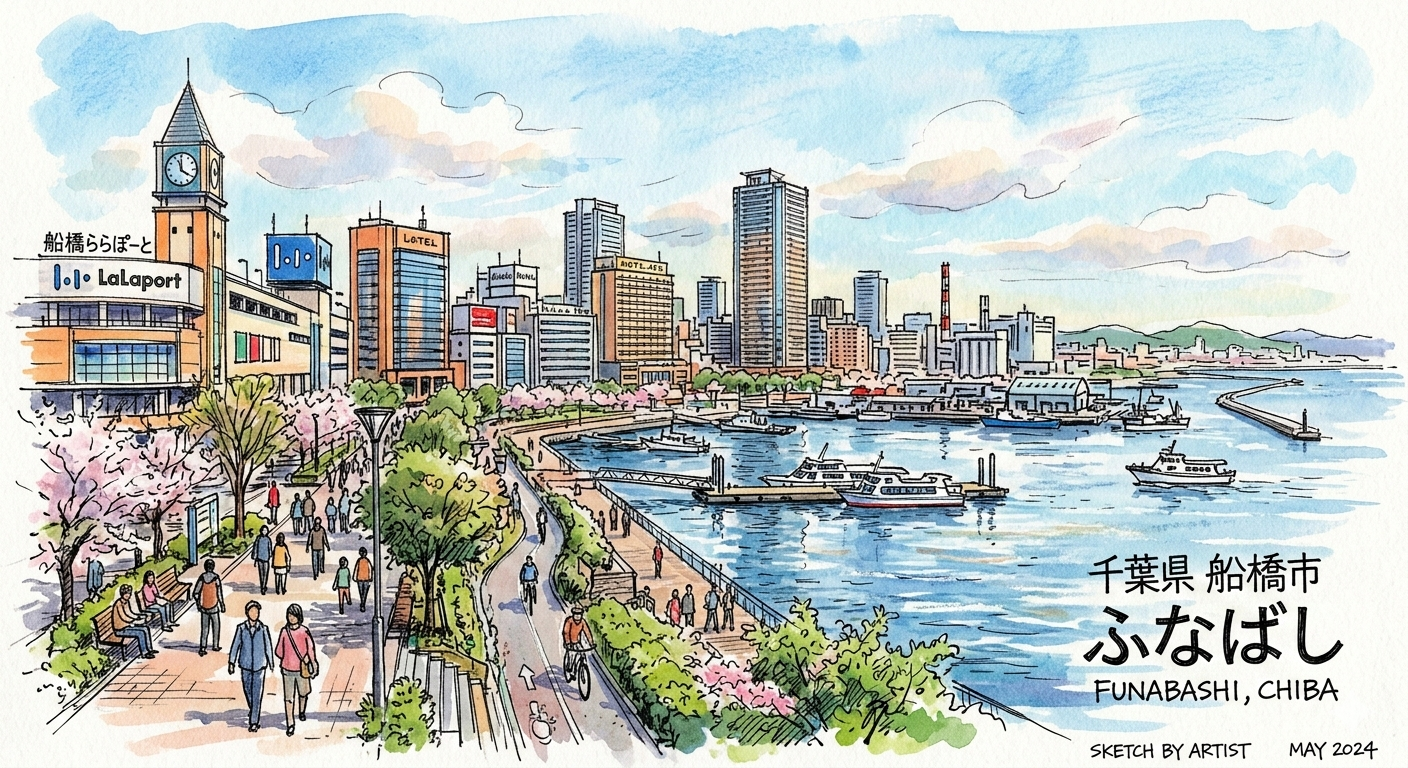
Funabashi occupies a definitive geographical and historical threshold, a point of tension where the ancient Shimōsa Plateau descends into the shifting, alluvial tides of Tokyo Bay. To the cultural historian, this is not merely a satellite of the capital but a profound "liminal space"—a boundary zone between stable earth and an amorphous hydrography that has historically demanded human ingenuity to master. The city’s identity was not a gift of geography but was forged through a persistent technical intervention against a challenging landscape. Historically, this region was a labyrinth of wetlands and river systems that acted as a formidable gatekeeper to the Eastern provinces. Today, this narrative of conquest and continuity remains legible to those who walk the banks of the Ebi River, where the muddy prehistoric past has been systematically articulated into the structured urban present. This evolution from a wild estuary to a strategic hub is rooted in a single, transformative act of engineering that gave the city its name.
Listen to the historical stories told in detail (For subscribers only)
The Bridge of Ships: Engineering Order from the "Nazumi" Wetlands
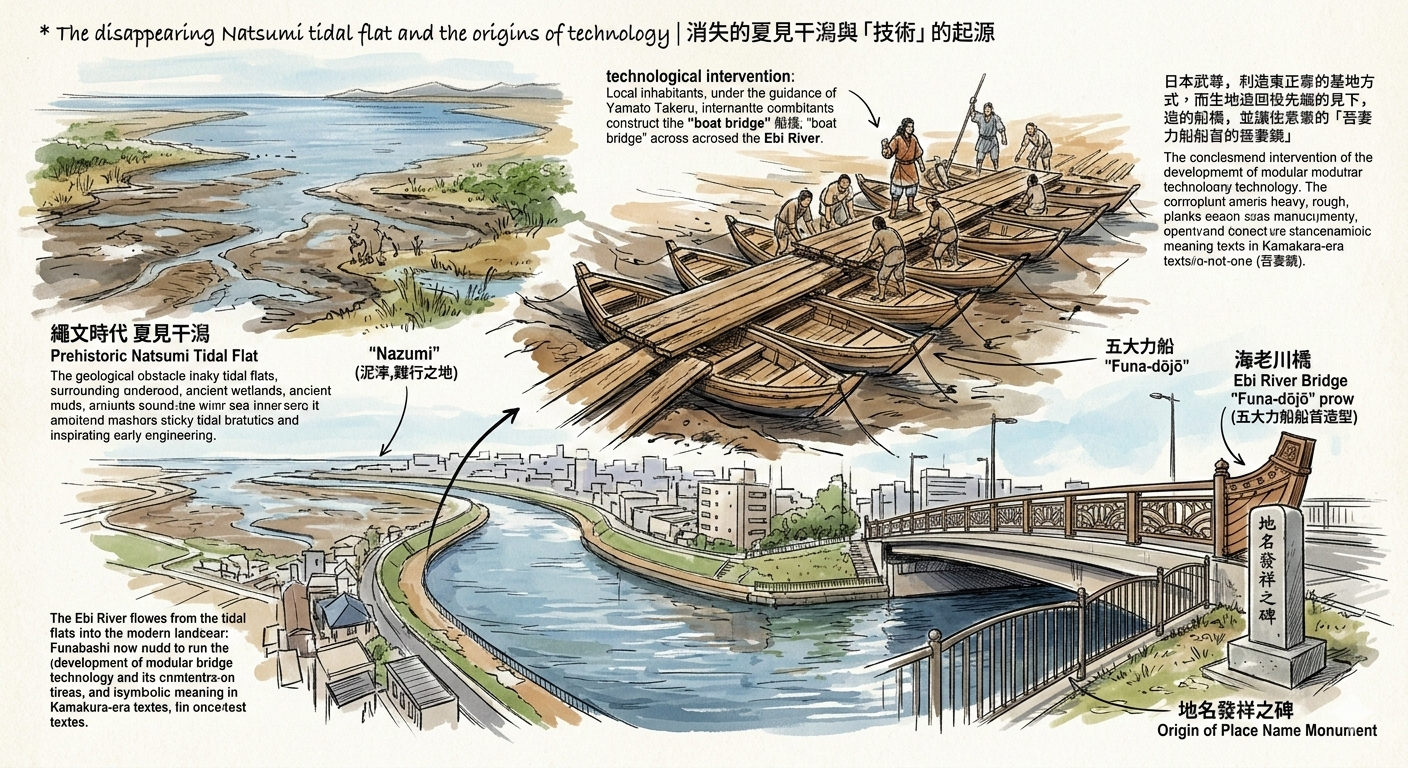
In the prehistoric era, the area was known as "Natsumi," an etymological descendant of the archaic Nazumi, meaning "muddy" or "soggy." During the "Summer Sea" period, the landscape was a vast, treacherous wetland. The transition from natural obstacle to managed infrastructure is immortalized in the legend of Yamato Takeru’s eastern expedition. Confronted by the silty expanse of the Ebi River, the local inhabitants did not retreat; instead, they orchestrated a sophisticated logistical maneuver, aligning a fleet of small boats across the water and lashing them together to support a timber walkway.
This Funabashi—or "bridge of ships"—was the region’s first significant technical intervention. By utilizing modular buoyancy to conquer unstable ground, the early residents established the site as a critical gatekeeper for the East. This was the moment Funabashi ceased to be a natural barrier and became a strategic node of managed passage.
"The inhabitants mobilized numerous small craft, aligning them hull to hull across the expanse; by the laying of timber planks, they did conquer the silty depths and provide passage for the sovereign's host." — Paraphrased from the Azuma Kagami and local oral records regarding the city's naming.
The physical echo of this feat is preserved at the modern Ebi River Bridge. The observer will note the distinctive railings modeled after the Godaikiriki-matsu (Edo-period ship prows), a deliberate architectural citation of the city’s maritime origins. Further analytical depth can be found at the Funabashi City Historical Museum, where digital reconstructions illustrate how this temporary bridge of ships dictated the movement of an emerging empire.
The Shogun’s Kitchen: The Political Sovereignty of the "Osainoura"
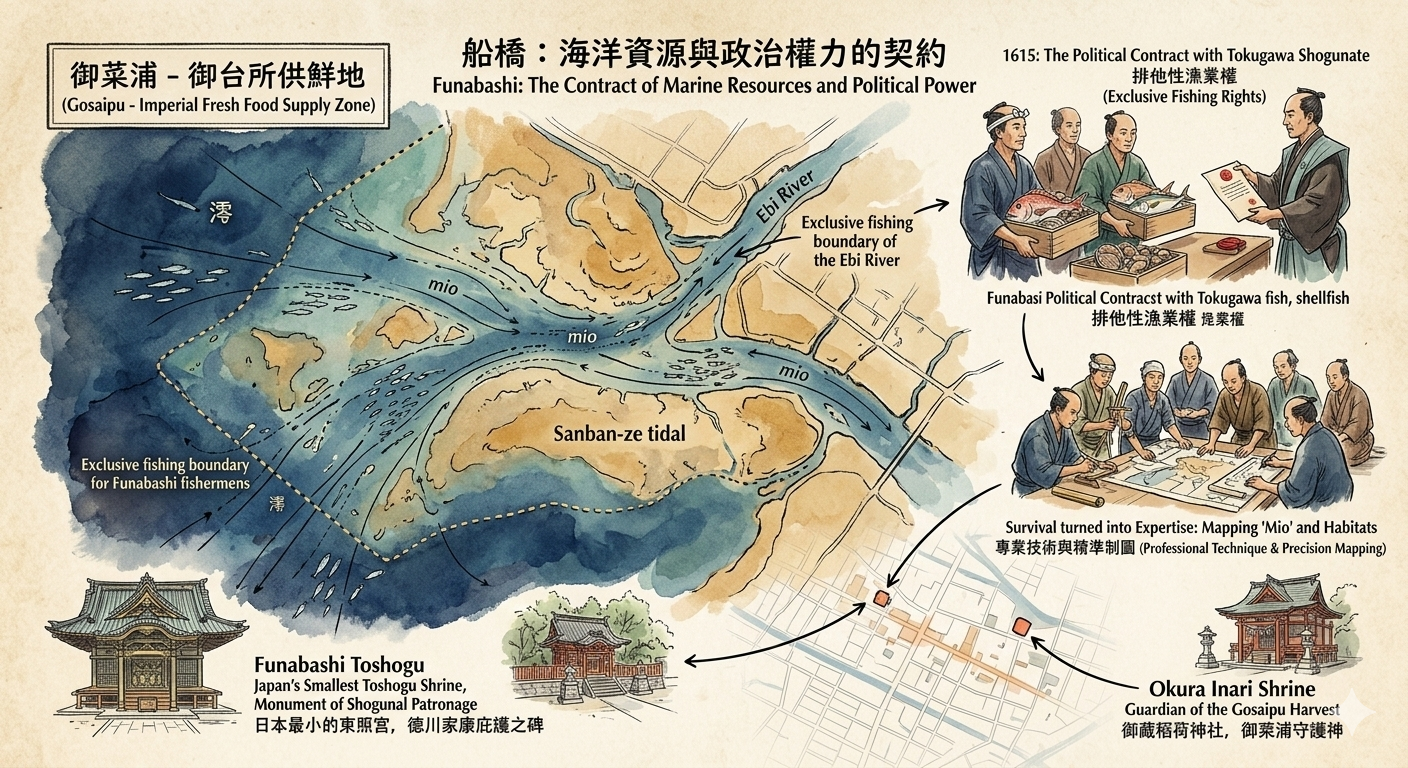
In 1615, the relationship between Funabashi and the sea was codified into a rigorous socio-political contract. The Tokugawa hegemony designated the area as Osainoura—the Shogun’s private fish larder. This was no mere fishing village; it was an elite supplier, exempted from standard taxation in exchange for the guaranteed delivery of high-quality seafood to Edo Castle.
This status as an "elite supplier" birthed the local Shokunin (craftsman) spirit. The fishermen became specialized technicians of the bay, developing an exhaustive mapping of underwater currents (mio) and shellfish habitats to ensure a consistent, superior harvest. This professional pride and meticulous attention to quality transformed the act of fishing from a subsistence labor into a refined craft. Remnants of this Shogunal patronage are found at the Funabashi Tōshō-gū—distinguished as the smallest in Japan—and the Okura Inari Shrine, which historically stood guard over the warehouses protecting the Shogun’s offerings.
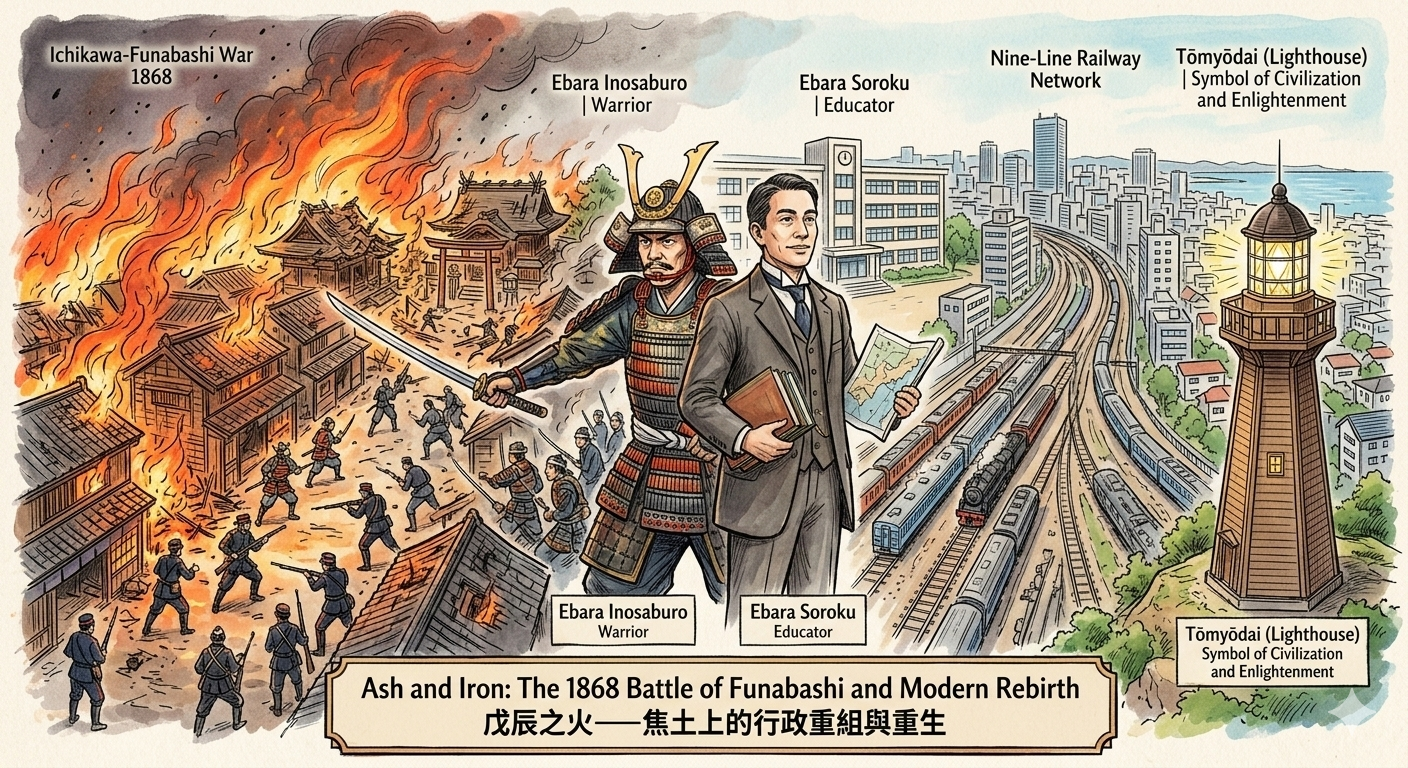
Ash and Iron: The 1868 Battle of Funabashi and Modern Rebirth
The strategic importance of Funabashi as a "throat" to the eastern provinces made it a primary theater of violence during the Boshin War. In 1868, the "Ichikawa-Funabashi War" resulted in near-total devastation. New Government forces, seeking to flush out Shogunal loyalists, set the shukuba (post town) ablaze. The fire, fueled by strong eastern winds, reduced 814 houses to ash and heavily damaged the ancient Funabashi Daijingu.
Yet, this destruction served as a "bloody baptism." The elimination of the cramped Edo-period layout provided the geographic canvas for modern urban planning, facilitating the eventual development of the city's dense nine-line railway network. The transformation of Ebara Inosaburo, a Shogunal warrior who fought in these streets and later emerged as the modern educator Ebara Soroku, serves as a metaphor for the city’s pivot toward "Civilization and Enlightenment." The observer should examine the Tōmyōdai (Lighthouse) at the Great Shrine; its hybrid Western-Japanese architecture—a wooden hexagonal tower with a Western-style glass lantern—stands as a stark symbol of this era of reconstruction and resilient synthesis.
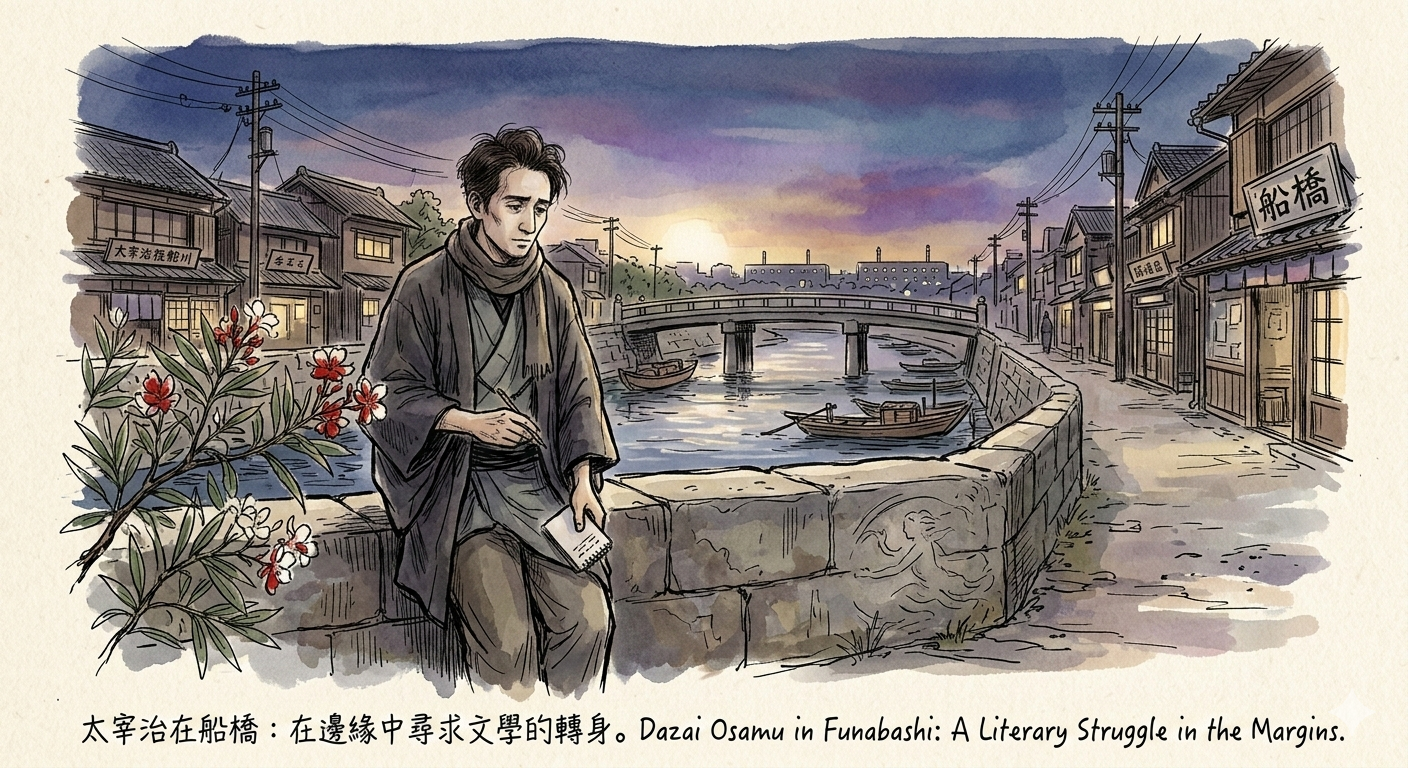
The Oleander and the Addict: Dazai Osamu’s Funabashi Struggle
In the mid-1930s, Funabashi functioned as a "marginal inclusive space"—a sanctuary for those discarded by the mainstream of Tokyo life. The modernist writer Dazai Osamu sought refuge here between 1935 and 1936, battling an intense addiction to analgesics while completing his seminal collection, The Late Years.
For Dazai, Funabashi was a "buffer zone" where the landscape—the steady flow of the Ebi River and the sequestered rooms of the Kappō Ryokan Tamagawa—provided the necessary distance for literary production. When forced to leave due to mounting debt, he famously wept while clutching an Oleander tree in his garden, naming Funabashi the city for which he felt the "most profound attachment." That tree, now meticulously preserved at the Central Public Hall, remains a site of pilgrimage, symbolizing the city’s historic capacity to embrace the fractured soul.
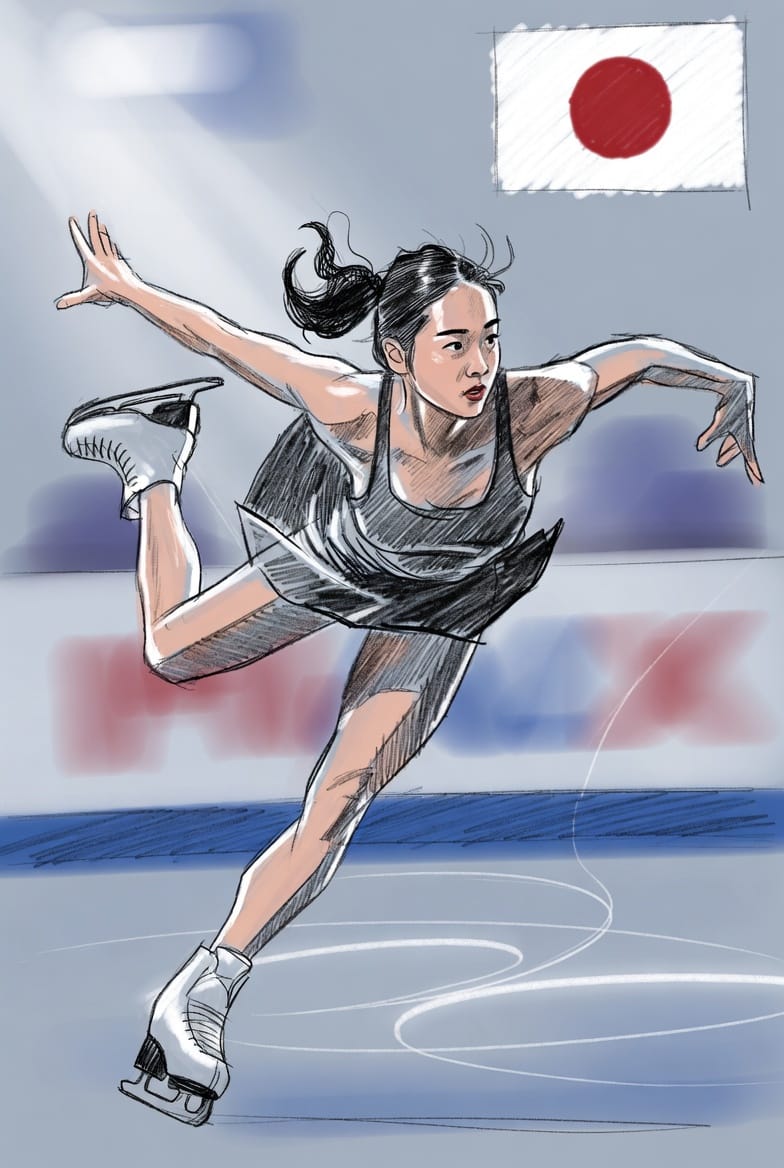
The New Shokunin: Alysa Liu and the Ice of Funabashi
The thousand-year tradition of precision and technical mastery has found its contemporary expression in the MF Figure Skating Academy. Here, Coach Kensuke Nakaniwa implements a philosophy of technical "understanding," emphasizing the quality of movement over mindless repetition—a modern evolution of the Shokunin ethos.
This philosophy reached its zenith in the performance of 2026 Winter Olympic champion Alysa Liu. Liu’s tenure in Funabashi was not a traditional athletic regime but a "re-crafting" of her professional identity. Transitioning from a child prodigy to an autonomous artisan, she asserted her "subjectivity"—choosing her own choreography, music, and technical path. Her performance on the ice, described by critics as a "painterly" articulation of physics, represents the modern Funabashi spirit: a relentless, millimeter-level refinement of craft. The sovereignty once exercised by fishermen over the currents of the bay is now exercised by the skater over the edges of her blades.
Hidden Gems for the Intellectual Traveler
Beyond the institutional monuments, the traveler should observe the residential alleys near the main shrine, where the quiet, stubborn grid layout retains the Edo-period footprint despite centuries of modernization. Alternatively, a visit to the artisanal stalls adjacent to the Funabashi Fish Market offers a glimpse into seafood preparation methods that still adhere to the exacting standards established during the city’s tenure as the Shogun’s larder.
A Philosophical Reflection on the Layered City
Funabashi is not merely a destination; it is a "Strategic Hub of Refinement." To understand its character, one must practice "layered observation"—the ability to perceive the prehistoric marsh beneath the pavement and the Shogunal decree behind the modern market.
Ultimately, the spirit of this place does not reside in static monuments, but in a persistent, collective "will to refine." It is a thread of continuity connecting the fishermen of 1615, who mapped the mio with meticulous care, to Alysa Liu, who calculated the precise physics of her Olympic gold on the ice. Does the soul of a city lie in its permanence, or in its capacity to constantly re-engineer its own resilience?
Subscribe to Historical Travel Stories for more deep-travel narratives.
Logistics: How to Trace the Layers
- The Historical Axis: Begin at the Ebi River Bridge (noting the ship-prow railings), walk south toward the Funabashi Daijingu to see the Tōmyōdai Lighthouse, and conclude at the Funabashi Tōshō-gū.
- Transportation Nodes: Access the city via JR Funabashi Station or Keisei Funabashi Station. These hubs serve as the gateway to the city’s extensive 9-line railway network.
- The Skating Legacy: The Mitsui Fudosan Ice Park Funabashi, home to the MF Academy, is located near Minami-Funabashi Station. For those following the history of Olympic figure skating, several quality accommodations are situated within walking distance of the facility.
Reference and Further reading
- 船橋市 - accessed March 7, 2026,
- 船橋の地名・学校名の由来 - 船橋市議会議員 朝倉幹晴公式サイト, accessed March 7, 2026,
- 1:江戸期までの船橋 ~ 津田沼・船橋 | このまちアーカイブス ..., accessed March 7, 2026,
- 鄉土資料館|觀光信息網站"FUNABASHI Style" - 船橋市, accessed March 7, 2026,
- 第一章 再生の基本的な考え方 - 千葉, accessed March 7, 2026,
- 地域の歴史と文化財 - 船橋市, accessed March 7, 2026,
- 明治大学校友会船橋地域支部ホームページ, accessed March 7, 2026,
- 太宰治深愛的城市,船橋|觀光信息網站"FUNABASHI Style", accessed March 7, 2026,
- 船橋市- accessed March 7, 2026,
- 1868 市川・船橋戦争: WTFM 風林火山教科文組織, accessed March 7, 2026,
- 【船橋大神宮】(目録) - ADEAC, accessed March 7, 2026,
- 国策の第二東京湾岸道路を27年阻止している力, accessed March 7, 2026,
- 三番瀬埋め立て計画の撤回をめざして, accessed March 7, 2026,
- 東京湾・三番瀬、埋め立て中止! これまでの活動、これからの目標 - NACS-Jの自然保護, accessed March 7, 2026,
- 「学校に通ってほしい」「練習は放課後のみ」17歳中井亜美なぜ ..., accessed March 7, 2026,
- 中井亜美導いた中庭健介コーチの独自の指導法 設立からわずか5年のMFアカデミー, accessed March 7, 2026,
- 中井亜美、渡辺倫果、中田璃士らを指導する中庭健介コーチってどんな人? - Olympics.com, accessed March 7, 2026,
- Alysa Liu Is the New Olympic Women's Skating Champion - TIME, accessed March 7, 2026,
- Alysa Liu on her journey and her art - "I want to share that creative process" - Olympics.com, accessed March 7, 2026,
- Will Alisa Liu Change Figure Skating? The Future of Figure Skating : r/FigureSkating - Reddit, accessed March 7, 2026,
- Alysa LIU - Olympic Figure Skating Athlete | Milano Cortina 2026 Olympics, accessed March 7, 2026
 Lawrence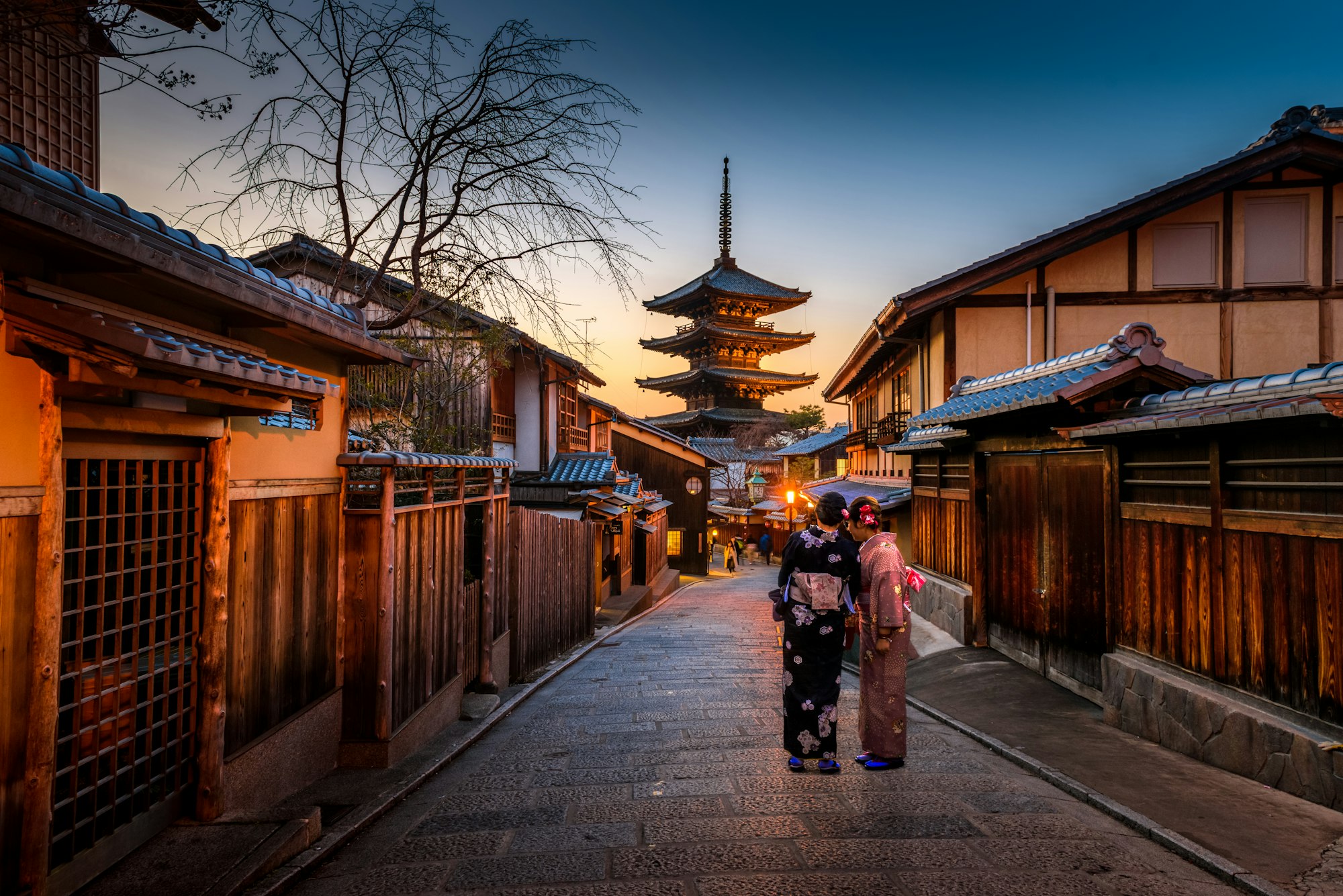
 Lawrence