(ENG) Tokyo's Ue-Nerima-mura: A Ninja, a Ghost Samurai, and a Life-Saving Radish
The story of Nerima reminds us that a city's true history lives on in the fragmented tales of a ghost samurai, the rise and fall of a humble radish, the ecological wisdom of a farmhouse, the placement of a roadside statue, and the whispered legend of a ninja's gift.

練馬城址公園春日神社Nerima Castle Site Park > 石神井公園故鄉文化館的「舊內田家住宅」The former Uchida family residence at the Ishigami Park Hometown Culture Center
Listen attentively to the historical stories told in detail
When we picture Tokyo, our minds conjure images of neon-drenched skyscrapers, impossibly crowded intersections, and the relentless pulse of technological progress. But beneath the concrete and asphalt of its sprawling suburbs, a different city lies dormant—a city of fallen castles, sacred roads, and forgotten legends. In the seemingly ordinary residential wards of Nerima, fragments of a deep and dramatic past hide in plain sight, waiting to be rediscovered. What stories lie buried beneath a landscape we think we know? The answers reveal a history far stranger and more compelling than the modern skyline suggests.
The Ghost Samurai of Nerima Castle: A Mystery Forged in War
In the turbulent landscape of feudal Japan, understanding local power was a matter of survival. The fall of a powerful clan didn't just end a dynasty; it created a dangerous vacuum, a void in the social and political order that was often filled by fascinating legends and enigmatic figures who held the community together.
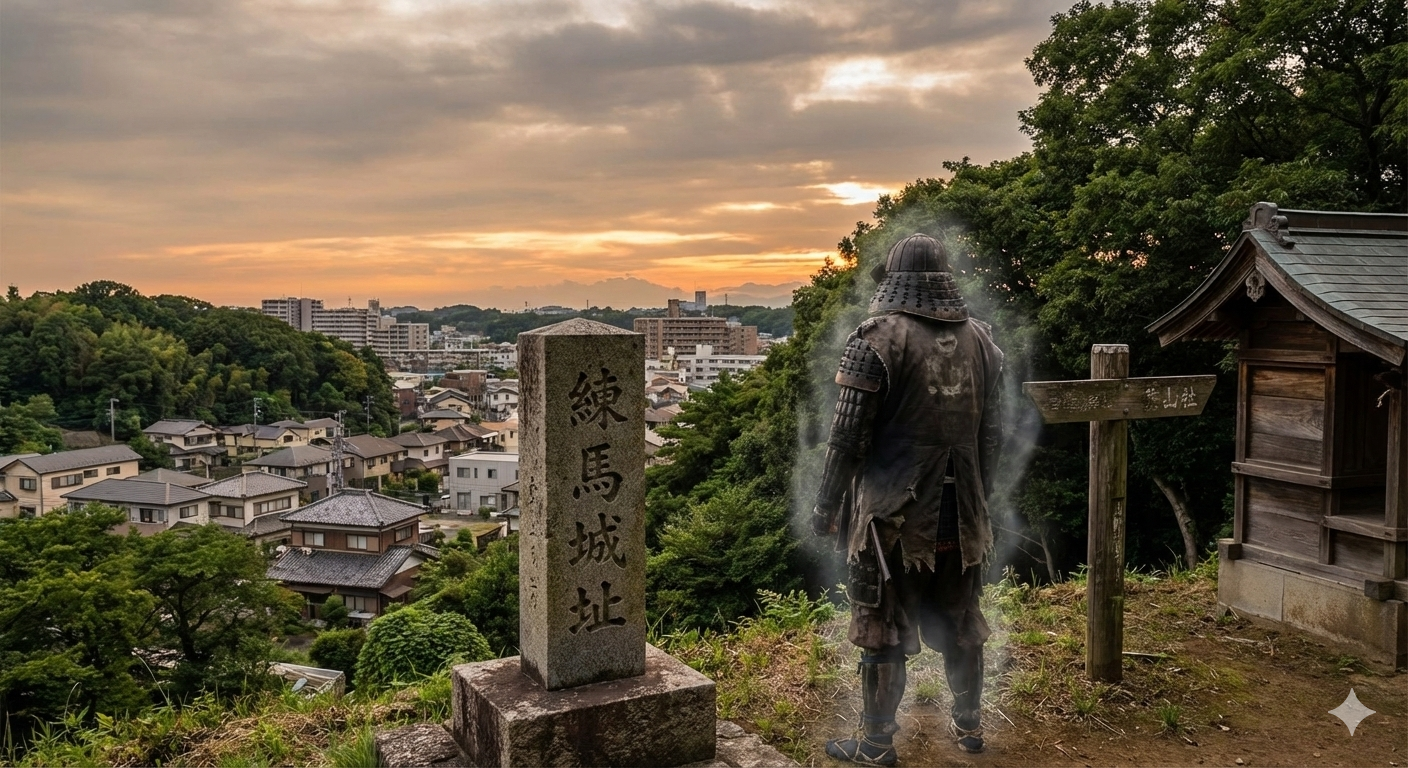
In 1477, the armies of Ōta Dōkan swept across the Musashino Plain, and Nerima Castle—a key branch castle for the powerful Toshima clan—fell. This was more than a military defeat; it was a local tragedy, immortalized in the heart-wrenching "Teruhime Legend," which tells of the Toshima lord’s daughter drowning herself in despair. The spiritual echo of this catastrophe created a historical void, a land left without a lord. Into this void stepped a mysterious figure known as Ebina Sakon. This chronological impossibility is a tantalizing clue for a historian: while legend places him near the castle ruins in the chaotic Warring States period, records also credit an "Ebina Sakon" with relocating a local shrine in the peaceful 18th century. Rather than one man, "Ebina Sakon" was likely a hereditary title, a name passed down through a local gentry family that quietly managed the area’s affairs. This multi-generational "ghost samurai" bridged the centuries, becoming the silent guardian of a land haunted by its fallen lords. As the age of the sword gave way to the age of the plow, the peace this mysterious lineage maintained allowed a new legacy to grow from the soil itself.
- "For a 'search for a lost landscape' experience, visit the area around Nerima Castle Site Park, adjacent to the former Toshimaen theme park. From the high ground of the nearby Kasuga Shrine and Jufukuji Temple, listen for the echoes of the past, feel the strategic advantage of this vantage point, and try to envision the contours of the lost castle and the estates of the mysterious Ebina Sakon."
The Strategic Radish: How a Humble Vegetable Saved a Shogun and Fueled a War
History often overlooks the strategic importance of agriculture, but the fate of armies and empires has frequently rested on the contents of their larders. In Nerima, a humble root vegetable became a critical asset that shaped health, politics, and the outcome of a modern war.
The Nerima Daikon radish began its incredible journey as a local crop prized for its tough fibers, which made it perfectly suited for pickling. Its status soared when, according to legend, it was used to cure Shogun Tokugawa Tsunayoshi of a debilitating vitamin deficiency known as the "Edo ailment." This act transformed the radish from simple produce into a life-saving commodity, making Nerima the effective breadbasket—and medicine cabinet—for the shogunate. Centuries later, during the Russo-Japanese War, the radish had another crucial role to play. Preserved as long-lasting takuan pickles, it became a vital ration for the Imperial Japanese Army, turning local farms into essential cogs in the national war machine. However, its dominance faded in the 20th century due to soil depletion and changing dietary habits. Today, the Nerima Daikon is a protected "Edo-Tokyo heritage vegetable"—a poignant symbol of the rise and fall of pre-modern agriculture in a city hurtling toward the future. The vast fields that produced this legendary crop were themselves protected by a unique form of living architecture.
- "To witness the physical legacy of this agricultural glory, visit the Nerima Daikon Monument (Kasugacho 4-16). Afterwards, explore local farmers' markets, such as those run by JA Tokyo Aoba, to taste this legendary history for yourself. For the truly dedicated, seek out the ruins of the Nerima Daikon Big Barrel in the Takamatsu area, a relic of a bygone era."
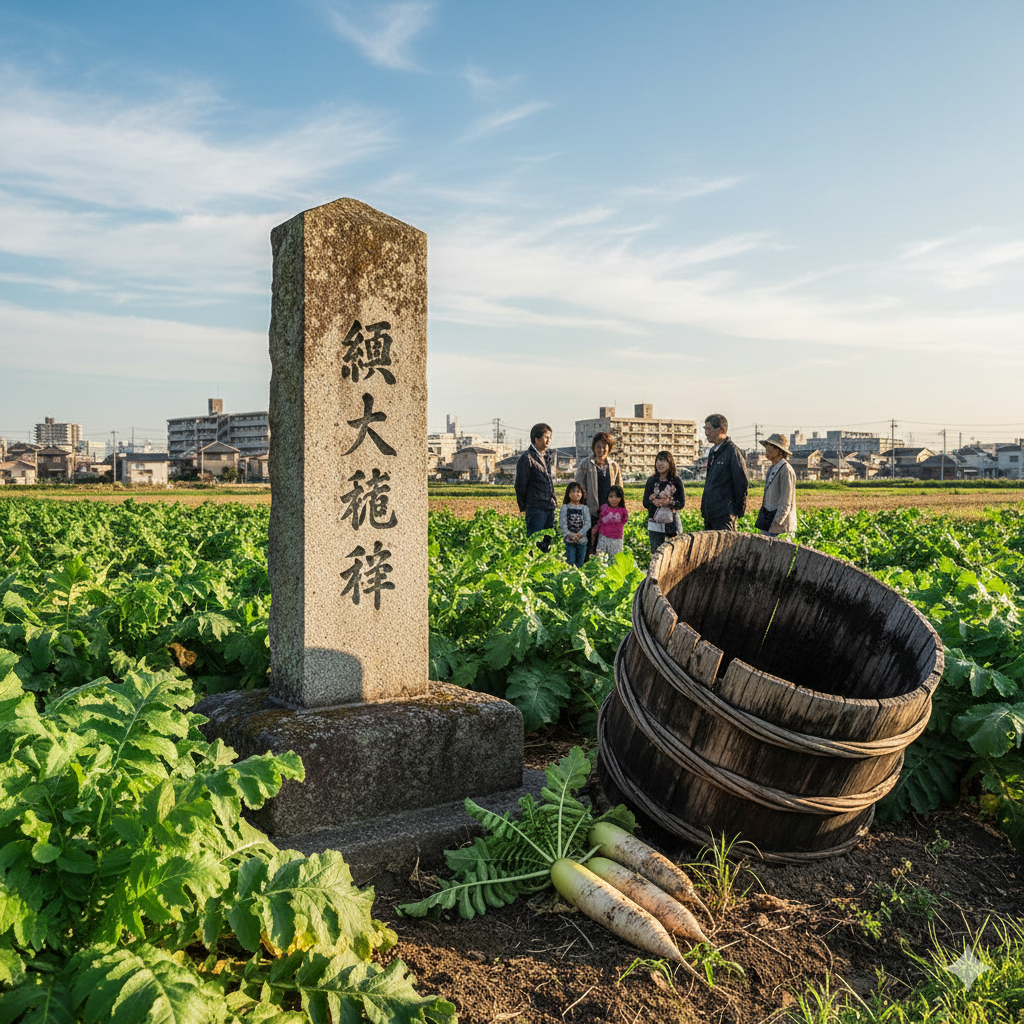
The Forest Walls: Uncovering the Ecological Genius of Tokyo's Farmhouses
Before the age of central heating and air conditioning, architecture was a direct conversation with the environment. Survival depended on a deep, symbiotic relationship with the landscape—a wisdom perfectly embodied in the traditional farmhouses of the Musashino Plain and their living, breathing defense systems: the Yashikimori.
"Yashikimori," or Homestead Woodlands, were a sophisticated form of ecological architecture. More than just a grove of trees, they were a meticulously designed solution to the local climate. Farmers planted a dense wall of evergreens on the northwest side of their homes, creating a formidable shield against the fierce winter seasonal winds of the Musashino Plain. On the other sides, they planted deciduous trees that offered cooling shade in summer but shed their leaves in winter to let the warming sunlight through. This elegant system was also a self-sufficient ecosystem, providing the household with a sustainable source of firewood, building timber, and compost for the fields. This was Nerima's "original landscape."
The Yashikimori was more than a collection of trees; it was a carefully engineered green defense system, a living pantry, and the very soul of the Musashino Plain farmhouse.
Today, this heritage is preserved in the meticulously relocated Old Uchida House and in small urban oases called "Relaxation Forests" (Ikoi no Mori). These surviving fragments of homestead woodlands are the result of a continuous economic and legal negotiation between the city and private landowners, proving that protecting this landscape is an ongoing struggle, not a settled fact. These living walls once bordered the ancient paths that crisscrossed the region, guiding travelers on their journeys.
- "To step directly into the past, visit the meticulously reconstructed Old Uchida House at the Shakujii Park Furusato Museum. To feel the living legacy of the forest walls, find a moment of peace in the Takamatsu Ikoi no Mori, a surviving piece of a homestead woodland transformed into a public park."
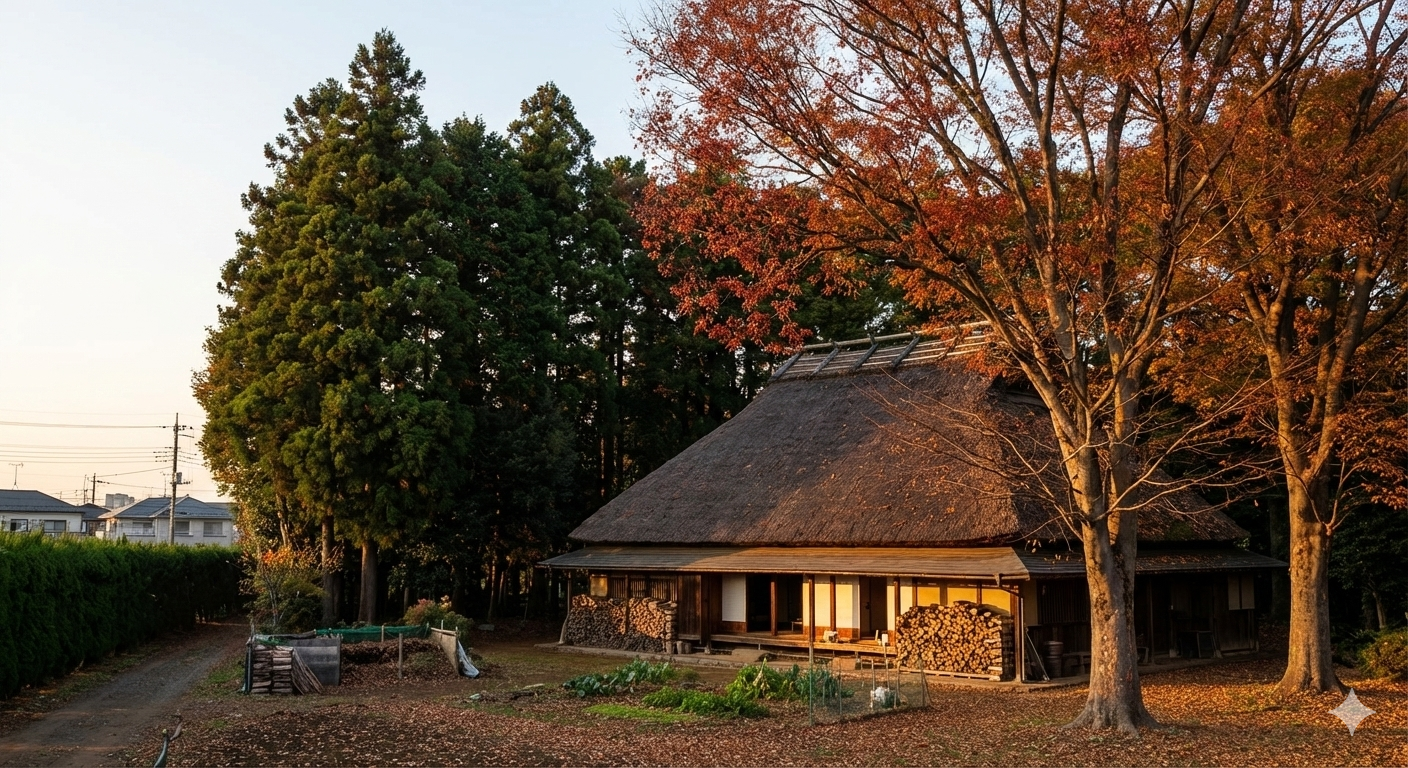
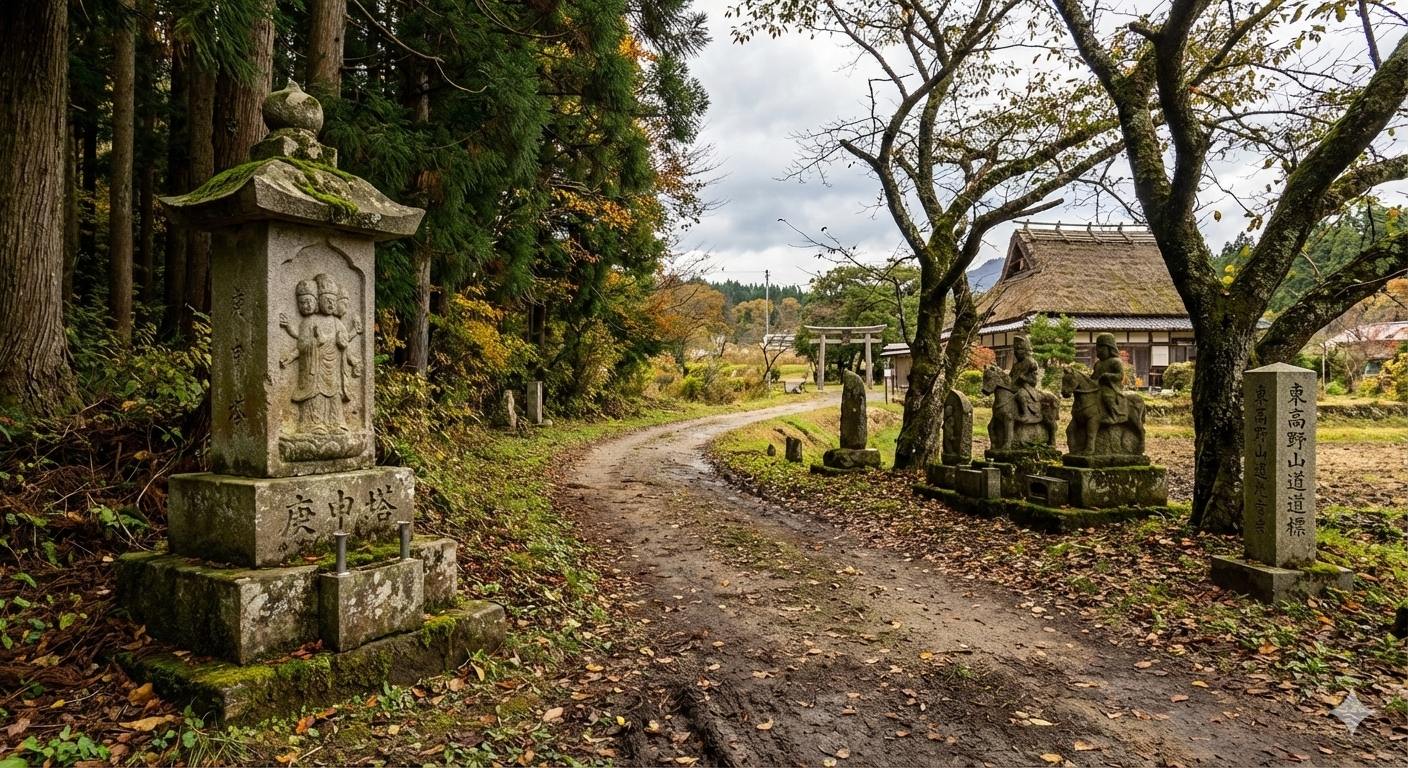
Tokyo's Ancient GPS: Reading the Lost Highways in Stone
In an era before printed maps were accessible to the common person, the landscape itself served as a guide. Roads, directions, and communal memory were inscribed directly onto the land through stone markers, with religious faith providing the very infrastructure for travel and commerce.
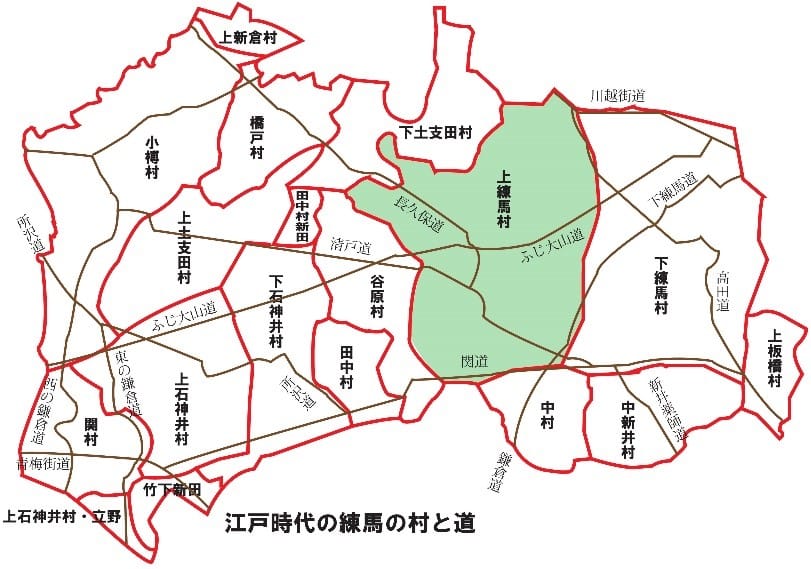
Scattered across Nerima, hundreds of numbered and cataloged stone monuments act as a kind of historical GPS, mapping out a forgotten world. The most telling of these are the Batō Kannon (Horse-Headed Kannon) statues. As the guardian deity of horses, this Buddhist figure was indispensable to trade and transport. The high concentration of these statues in Nerima, clustered along ancient routes like the Fuji-Oyama Road, reveals a bustling network of pilgrimage and commerce. These carvings were not static religious idols; they were dynamic road signs marking a vital transit hub where goods, people, and prayers flowed. They are the silent witnesses to an age when Nerima was a critical artery connecting Edo to the provinces. And watching over these public thoroughfares were deeply personal, local gods.
- "Embark on a 'stone cultural property walking tour.' Start near the Suga Shrine in Nukui or the Yakumo Shrine in Takamatsu, and use a local map to hunt for the numbered Kōshin towers and Batō Kannon statues. By connecting these dots, you can physically retrace the paths of Edo-period travelers."
The Ninja's Secret Offering: A Legend in a Local Shrine
A place's identity is often shaped as much by legend as by fact. A single, dramatic story, whether verifiable or not, can elevate a humble location, embedding it within a grander national narrative and hinting at secrets hidden just below the surface.
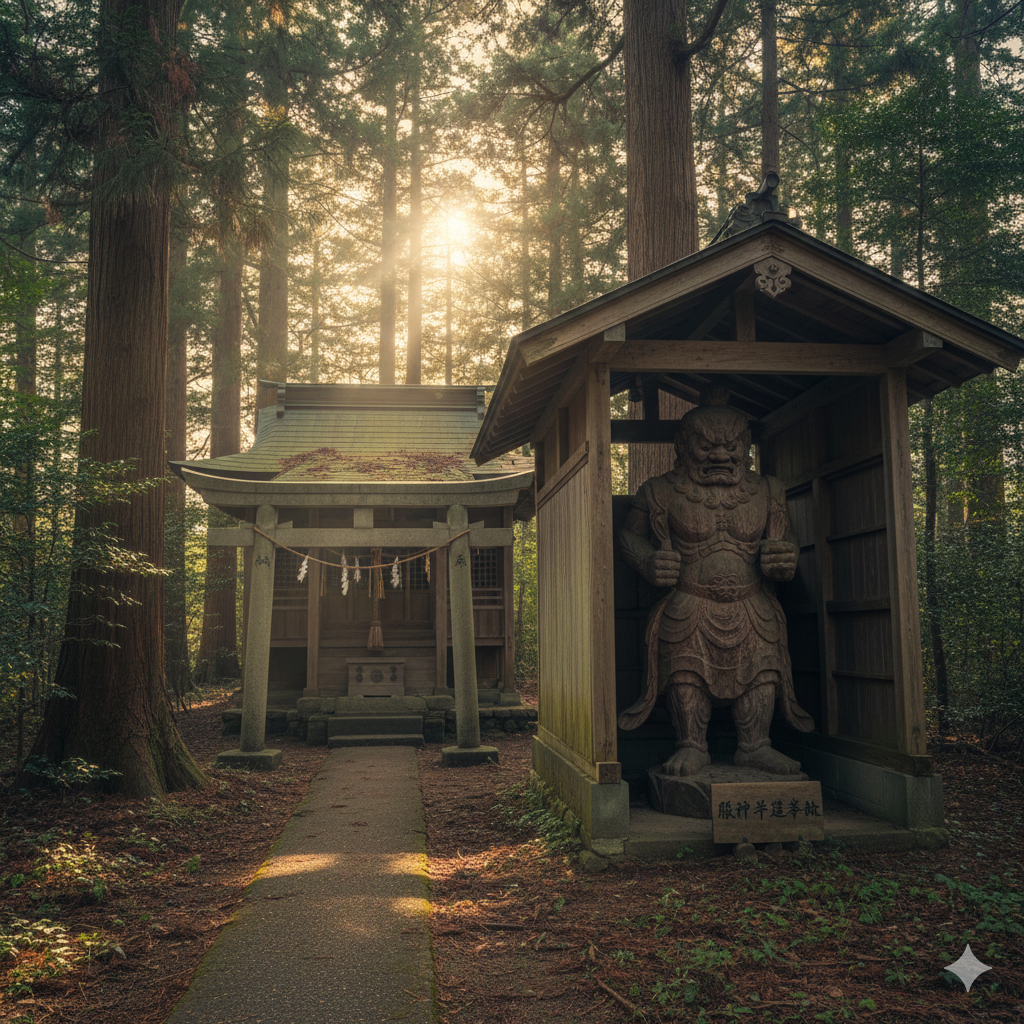
In the quiet Takamatsu neighborhood lies the unassuming Ontake Shrine, the site of an electrifying legend. It is rumored that a fierce Niō guardian statue within the shrine was personally donated by Hattori Hanzō, the legendary ninja master and a top vassal to the first Tokugawa Shogun, Ieyasu. This rumored connection is profound. It instantly transforms the perception of what was then Kami-Nerima Village from a simple agricultural outpost into a location with potential hidden importance for the new military government. A guardian deity offered by the shogun's spymaster suggests this area may have been a covert supply point, a secret staging ground, or a safe haven for the regime's most trusted operatives. The legend offers no clear answers, but it stands as the ultimate hidden gem—a whisper of high-stakes espionage played out in the quietest corners of a Tokyo suburb.
- "Make a pilgrimage to the Takamatsu Ontake Shrine. While physical evidence of the ninja's offering may be elusive, the act of standing in this small, quiet precinct allows you to contemplate the fascinating intersection of local faith and national legend, pondering the secrets this land might still hold."
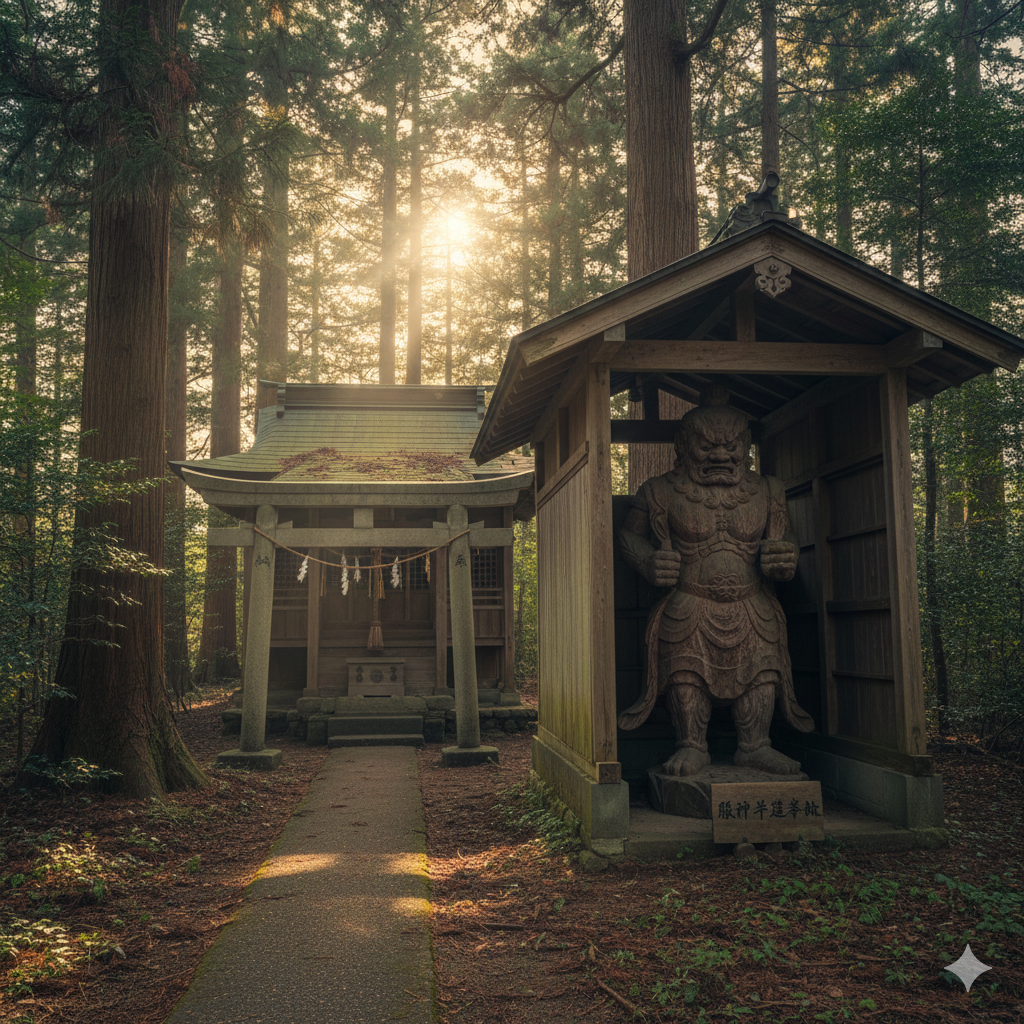
Ultimately, the story of Nerima reminds us that a city's true history is rarely confined to its grandest monuments. It lives on in the fragmented tales of a ghost samurai, the rise and fall of a humble radish, the ecological wisdom of a farmhouse, the placement of a roadside statue, and the whispered legend of a ninja's gift. These subtle, scattered clues, hidden in the fabric of daily life, compose the real, living memory of a place. What forgotten histories lie waiting to be discovered just beneath your own feet?
Work cited:
- 上練馬村 - Wikipedia, accessed October 13, 2025
- 練馬区 01 (08/10/22) 上練馬村 (1) 貫井/高松 - Kazu Bike Journey, accessed October 13, 2025
- 練馬城址公園 - 東京都, accessed October 13, 2025
- 照姫と豊島氏滅亡伝説の「余白」(練馬区 石神井公園 姫塚(照日塚)、殿塚) | 滋味コフン, accessed October 13, 2025
- 海老名左近屋敷 - 城郭図鑑, accessed October 13, 2025
- 練馬ダイコン | 江戸東京野菜について | 東京の農業 - JA東京中央会, accessed October 13, 2025
- むかし村だった街 ~旧豊島郡上練馬村を歩く : 原風景へ ~人々の ..., accessed October 13, 2025
- 旧内田家住宅 (きゅううちだけじゅうたく):練馬区公式 ..., accessed October 13, 2025