(ENG) Tokyo’s Secret History: The Five Hidden Legends of Nerima
The stories of Nerima prove that a city's soul is often found not in its noisy center, but in its quiet edges. Seek the echo of hidden epics then.

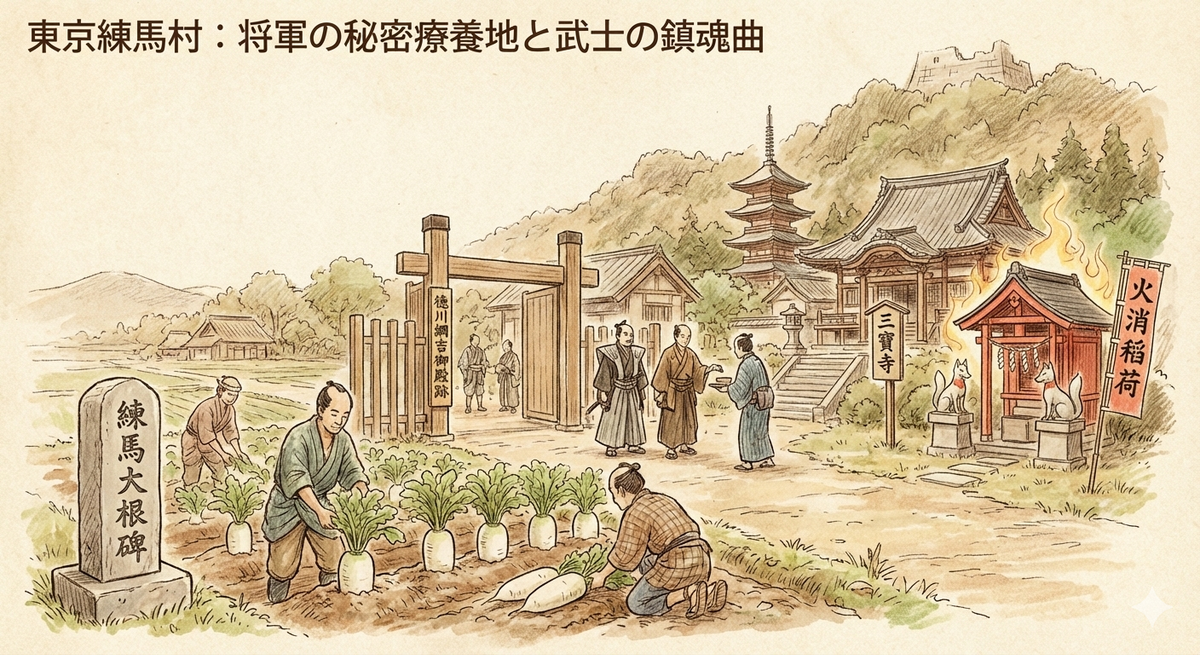
大泉動畫之門 Oizumi Anime Gate > Hikarinooka Park
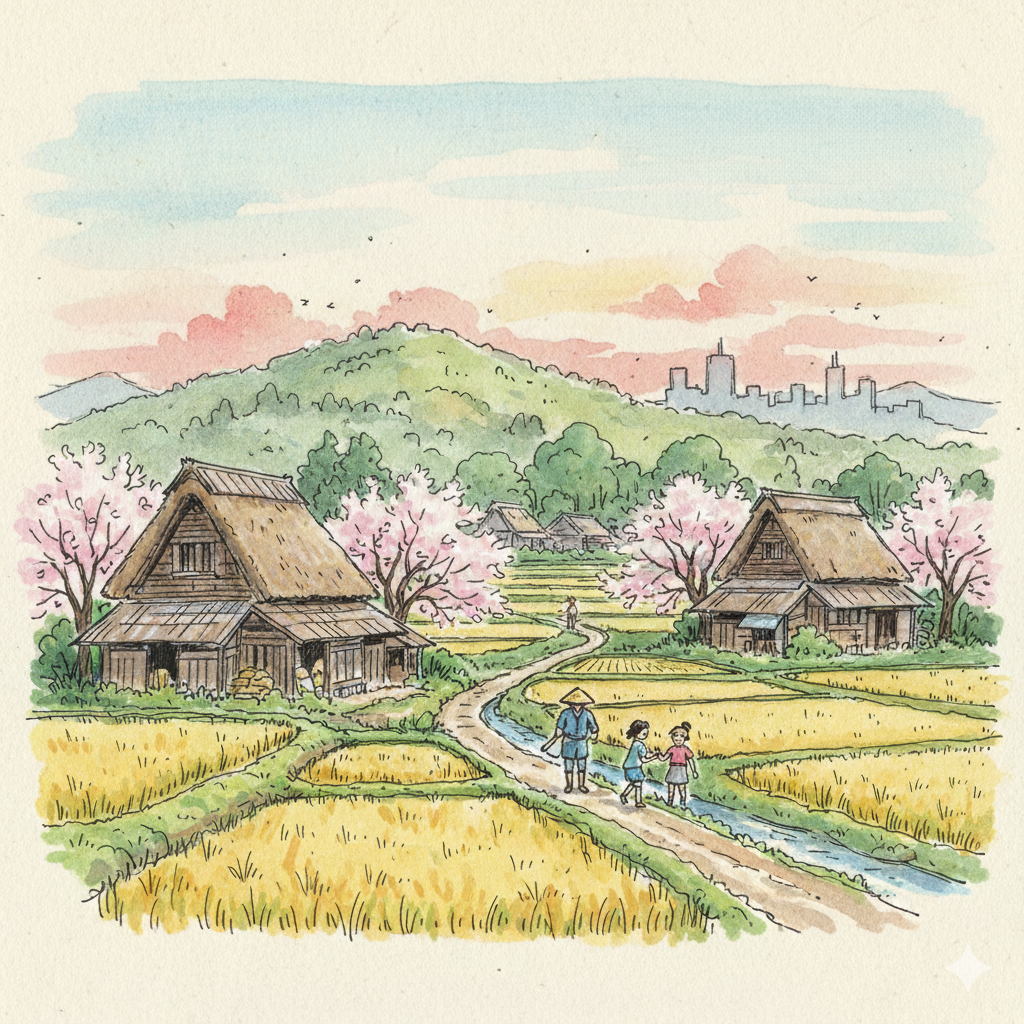
Listen attentively to the historical stories told in detail
Beyond the Neon Glow
When we picture Tokyo, our minds conjure a vibrant collage of neon-drenched streets, soaring skyscrapers, and bustling crowds—a metropolis defined by its relentless forward momentum. Yet, hidden in plain sight within one of its largest wards lies a different Tokyo, a city of quiet memories and deep historical roots. Welcome to Nerima, a sprawling green oasis where the capital’s true soul is not etched in glass and steel, but whispered in the stories of its ancient temples, fertile fields, and serene parks.
Nerima’s identity is not found in a single, grand landmark but in a series of profound "micro-epics" that span centuries of conflict, creativity, and transformation. To truly understand Tokyo, one must venture beyond its dazzling facade and listen to these quieter narratives. This journey will unveil five surprising stories that reveal the heart of this unique ward, offering an entirely new way to experience the world's greatest metropolis.
The Samurai's Requiem: Where Vengeful Ghosts Found Peace
The story of Nerima’s Sanpō-ji Temple is a masterclass in the politics of memory, demonstrating how a society can transform a landscape of traumatic conflict into a sanctuary for reconciliation. This is not just a tale of ghosts and monks; it is an analytical look at how a victor’s wisdom can pacify the past by honoring the vanquished, thereby allowing a wounded land to be reborn.
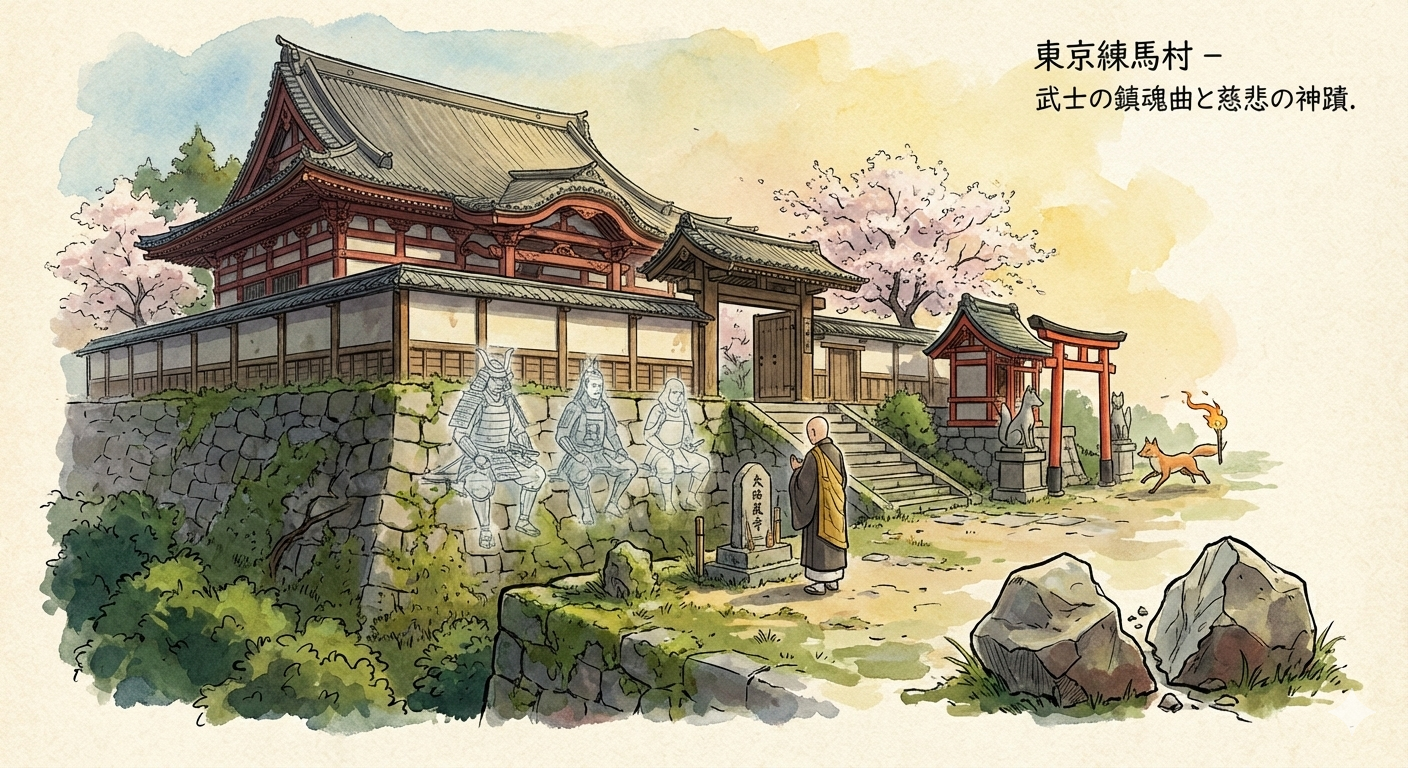
In 1477, the medieval Toshima samurai clan, lords of this land, were vanquished by the famed general Ōta Dōkan, and their stronghold, Shakujii Castle, fell. But instead of letting the memory of the conflict fester, Dōkan made a brilliant move. He relocated the ancient Sanpō-ji Temple to the castle ruins with the explicit mission of pacifying the spirits of the vanquished Toshima clan. This act was not merely religious; it was a masterful political gesture aimed at healing the wounds of war and stabilizing his new domain.
The temple's duty was clearly defined: to guard this land and offer solace to the spirits of the noble Toshima clan. This act transformed a site of tragic history into a complex space of religious salvation, symbolizing respect for the defeated and enabling the region's rebirth.
For the modern traveler, this ancient history offers a unique pilgrimage through hidden spiritual sites:
- The Legend of the Marvelous Stone: At Sanpō-ji, seek out the shrine of the "Fire-Extinguishing Inari," where legend says a mysterious old fox once warned the temple of a disastrous fire. The shrine's sacred object is the "妙石" (Marvelous Stone), a rock said to have been broken in two. Embark on a pilgrimage to find both halves: its head resides at Sanpō-ji Temple's Fire-Extinguishing Inari, while its lower half is enshrined at the nearby Shakujii Shrine in Shimo-Shakujii Kitahara.
- A Samurai Grave in Plain Sight: The memory of the fallen Toshima warriors haunts a lost shrine once known as "Tsuge-no-ki Inari" (Boxwood Inari), which marked their mass grave. While the shrine itself is gone, its location is now the serene northeastern shore of the Sanpō-ji Pond Water's-edge Observation Park. A quiet moment here is a chance to reflect on the final resting place of medieval samurai, hidden within a peaceful modern park.
From the medieval battlefield, our story transitions to the cultivated world of the shoguns, where Nerima's identity would be shaped not by swords, but by the soil itself.
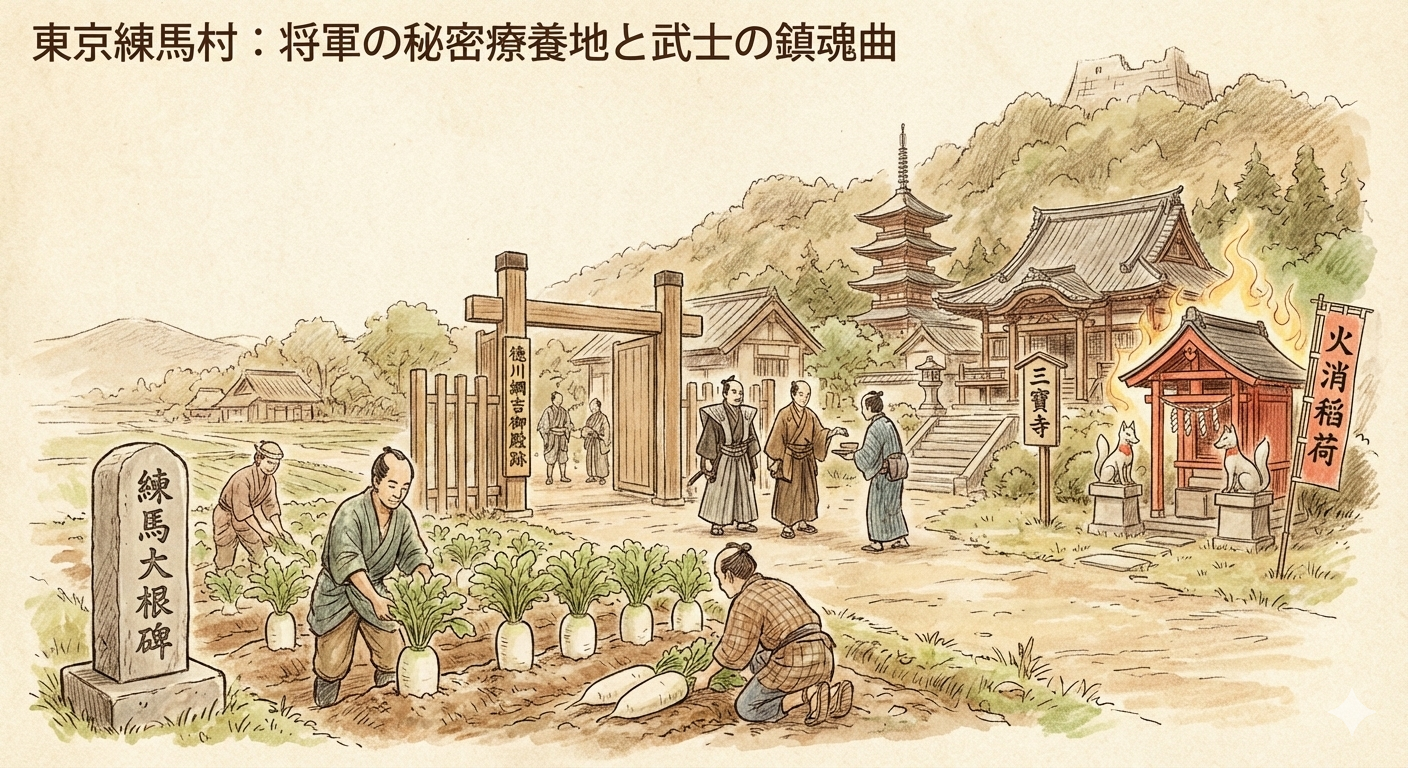
The Shogun's Secret Cure: The Radish That Fueled the Edo Elite
This is the story of how a humble agricultural product, the Nerima Daikon, became a symbol of regional prestige so powerful that it intersected with the health of a shogun. It reveals the deep connection between land, food, and wellness in Edo-period Japan, showcasing how a place of aristocratic leisure transformed into a site for personal healing, elevating a simple radish to legendary status.
The tale of the Nerima Daikon, so famous it sparked the saying, "Is it Nerima of the Daikon, or the Daikon of Nerima?", is intertwined with Tokugawa Tsunayoshi, the fifth shogun. Before his reign, Tsunayoshi maintained a "falconry hunting villa" in Nerima, a place for elite sport. But legend holds that this site took on a new purpose when the young lord fell ill with beriberi, a severe ailment. He repurposed his recreational retreat into a "healing villa," seeking a cure in Nerima’s restorative environment. This narrative brilliantly rebranded the Nerima Daikon from a local crop into a key ingredient in the shogun’s personal wellness journey.
Today, visitors can trace this remarkable history through key landmarks and its living legacy of craftsmanship:
- Monuments to a Legend: Begin your journey at the Nerima Daikon Monument, a tribute to the vegetable that defined the region, before visiting the Remains of Tokugawa Tsunayoshi's Villa, the very spot where a future shogun sought refuge and health.
- The Modern Artisan: This dedication to quality and local expertise continues today. For proof, look no further than Teuchi Udon Hasegawa, a Michelin-recommended udon shop. The owner’s skill is legendary; it is said he can "take the pulse" of the dough, sensing its condition to determine the perfect kneading technique for that specific day. His craft is the modern embodiment of the artisanal spirit that once produced a radish fit for a shogun.
From the carefully cultivated fields that nourished a ruler, we now turn to the untamed forces of nature and the powerful myths born from the region’s wild rivers.
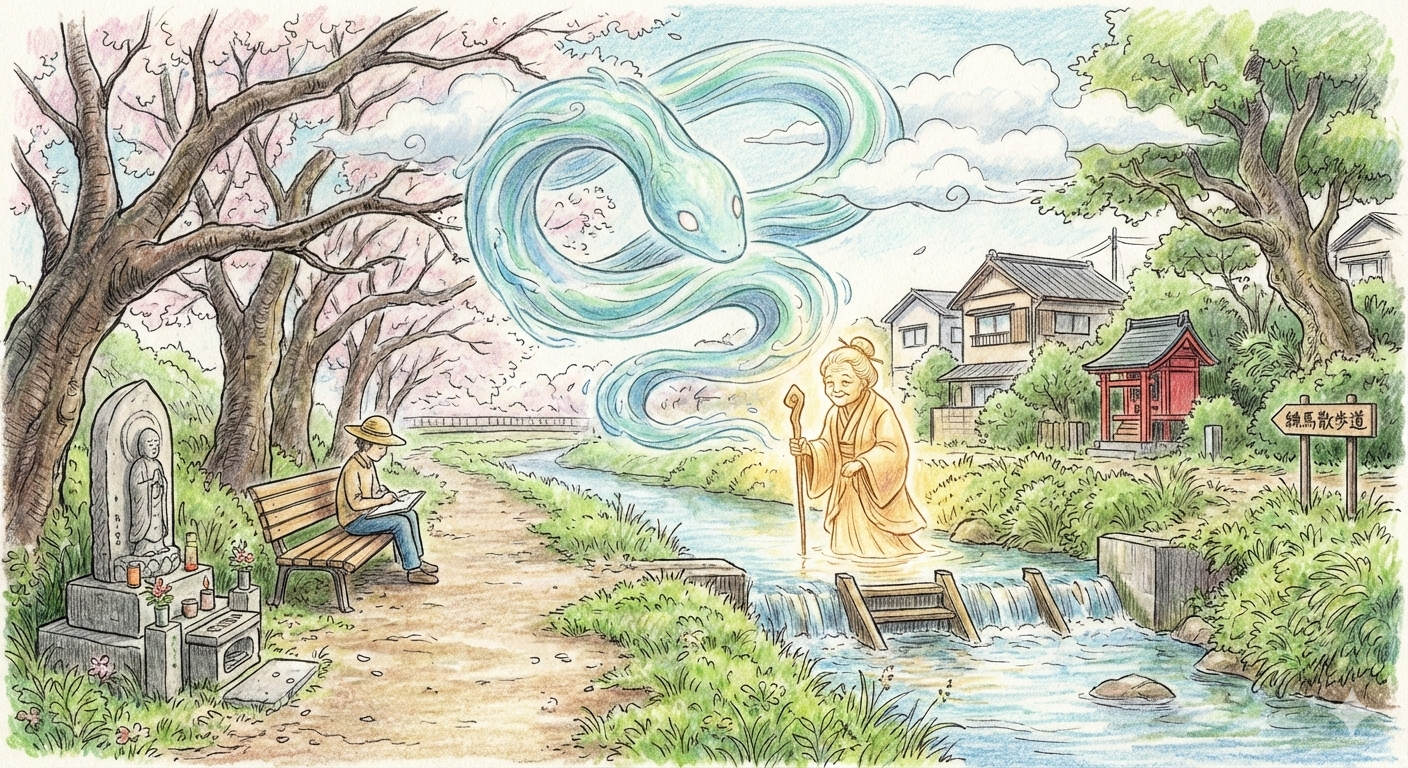
The River's Roar: Of Giant Serpents and Water Goddesses
The folklore of Nerima's Shakujii River is a cultural seismograph, mapping the community's evolution from fearing nature as a monstrous adversary to venerating it as a divine partner. These myths provide a fascinating window into how a community personified its struggle with water, creating tales to cope with the terror of floods and, eventually, to honor the resilience required to coexist with them.
The oldest stories are born of raw fear. Legends of giant serpents, such as the "Great Serpent of Nerima Castle Ruins," served as powerful metaphors for the devastating and unpredictable floods that once plagued the area. These tales capture the primal dread of a community living at the mercy of the water.
But fear was not the only story the river told. In direct response to this primal terror, a new narrative of resilience and reverence emerged, centered on benevolent deities who symbolized humanity’s efforts to manage nature. The tale of "Seki Bā-san" (the Weir Granny) venerates a figure who became a goddess of water, health, and longevity. She is joined by deities like Kame-no-ike Benzaiten, a goddess of water, fishery, and wealth. These figures represent a profound philosophical shift—from cowering before nature’s monstrous power to building a managed coexistence built on respect and sacrifice.
Today, visitors can still feel the pulse of these ancient legends by exploring Nerima’s tranquil waterside parks. A walk along the "Nerima Promenade" routes is a journey into this mythic landscape:
- The Shakujii Park Route: Offers a perfect blend of history, nature, and the lingering presence of the Toshima clan's fortress.
- The Toyotama & Taka-Inari Park Route: Connects walkers directly to the serpent legends and the heart of Nerima's water folklore.
- The Musashi-Seki Park Route: Provides a relaxing experience designed to let you "get close to the water" and reflect on its dual nature.
Leaving the timeless myths of the river behind, our timeline now jumps dramatically forward to the turbulent mid-20th century, to a story of modern conflict and radical transformation.
The Lost American Town: From Kamikaze Airfield to Peaceful Oasis
The story of Hikarigaoka Park is a profound testament to the 20th century's cycles of war, occupation, and rebirth. This is not the simple creation of a park, but the history of a radical urban transformation—a single piece of land that serves as a layered document of imperial ambition, foreign occupation, and hard-won local activism.
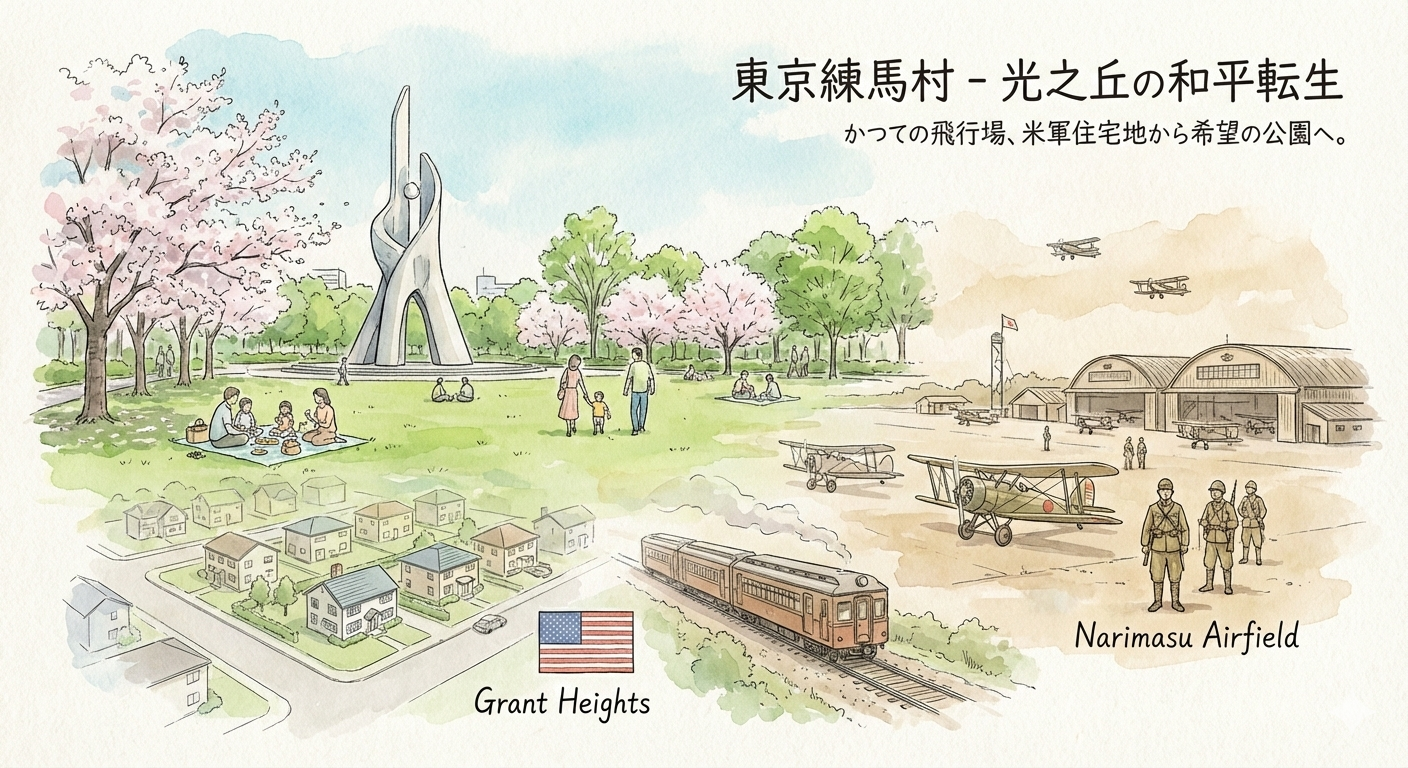
The history of this land unfolds in three dramatic acts:
- The Imperial War Machine: During World War II, this area was the Imperial Japanese Army's Narimasu Airfield, a critical base for defending the capital.
- The American Occupation: After the war, the airfield was converted into "Grant Heights," a completely self-contained American town built for occupying forces. Complete with schools and churches, it was a true American enclave, serviced by its own short-lived railway—the Tōbu Keishi Line, named after the American construction commander, Major Hugh Casey.
- The Return to Japan: The land was returned to Japan in the 1970s. After determined local activism, culminating in a massive "general rally," the area was reborn as Hikarigaoka Park, a name that fittingly translates to "Hill of Light."
This history imbues a simple stroll in the park with profound meaning, offering a unique experience for the curious visitor.
For the informed visitor, Hikarigaoka Park is more than just a green space; it is a living witness to post-war Tokyo's most profound cultural collision and land transformation. A quiet stroll here is a walk through layers of conflict, occupation, and hard-won peace.
Today’s hidden gem is not a monument but an experience. Treat a visit to Hikarigaoka Park as an archaeological walk. Search for the subtle clues of its past lives: the faint remnants of the old Keishi railway line or the boundary markers of the former American base. In doing so, you can discover a "lost American cultural enclave" hidden in plain sight, a silent witness to a pivotal moment in global history.
From a story of land reborn after conflict, we now turn to a story of a global industry born from Nerima's uniquely peaceful character.
The Animator's Refuge: The True, Unexpected Birthplace of Anime
This final story directly challenges a core assumption of modern pop culture: that anime was born in the electric chaos of Akihabara. The historical truth is that the genesis of modern anime lies in the quiet, green lanes of Nerima. This is a narrative about how tranquility, not urban density, proved to be the most potent fuel for world-changing creativity.
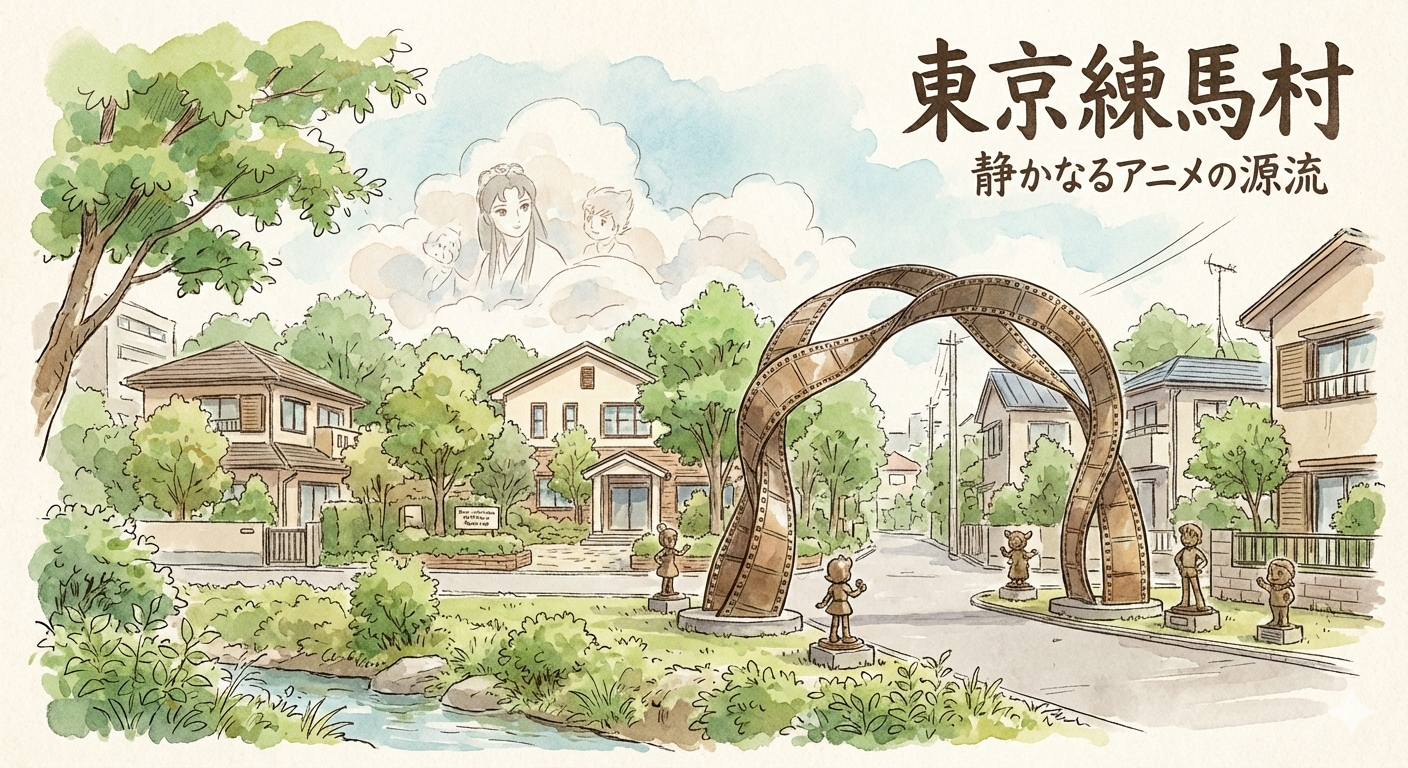
The logic is simple yet profound. Artists like Osamu Tezuka (Astro Boy) and Fujiko Fujio (Doraemon) needed intense focus and a quiet refuge to bring their imaginative worlds to life. Nerima, with its peaceful, low-density environment, provided the perfect sanctuary. The watershed moment came when Toei Animation, based in Nerima, produced Japan's first feature-length color anime film, Hakujaden (The White Snake Enchantress). This event cemented Nerima's status as the industry's cradle, forever proving that creativity can thrive in serenity.
For anime fans, Nerima is a must-visit pilgrimage site. Today, the ward proudly embraces its identity as "Anime Ichiban no Machi" (The #1 Town for Anime).
- A Monument to Imagination: The Oizumi Anime Gate, designed to look like a strip of film chronicling Nerima’s iconic works, is flanked by life-sized statues of beloved characters. Fans can snap photos with figures from Galaxy Express 999, Astro Boy, and Urusei Yatsura.
- An Accessible Treasure: The Toei Animation Museum is an unmissable and surprisingly accessible destination. It offers free admission with no reservation required, making it the perfect place for a deep dive into anime history. It’s an especially powerful visit for fans of classic series like Pretty Cure (Precure), allowing them to connect with the origins of their favorite stories.
Nerima’s role as the birthplace of anime proves that the creative spirit flourishes best in a place that offers the peace to dream.
Tokyo's Quiet Heartbeat
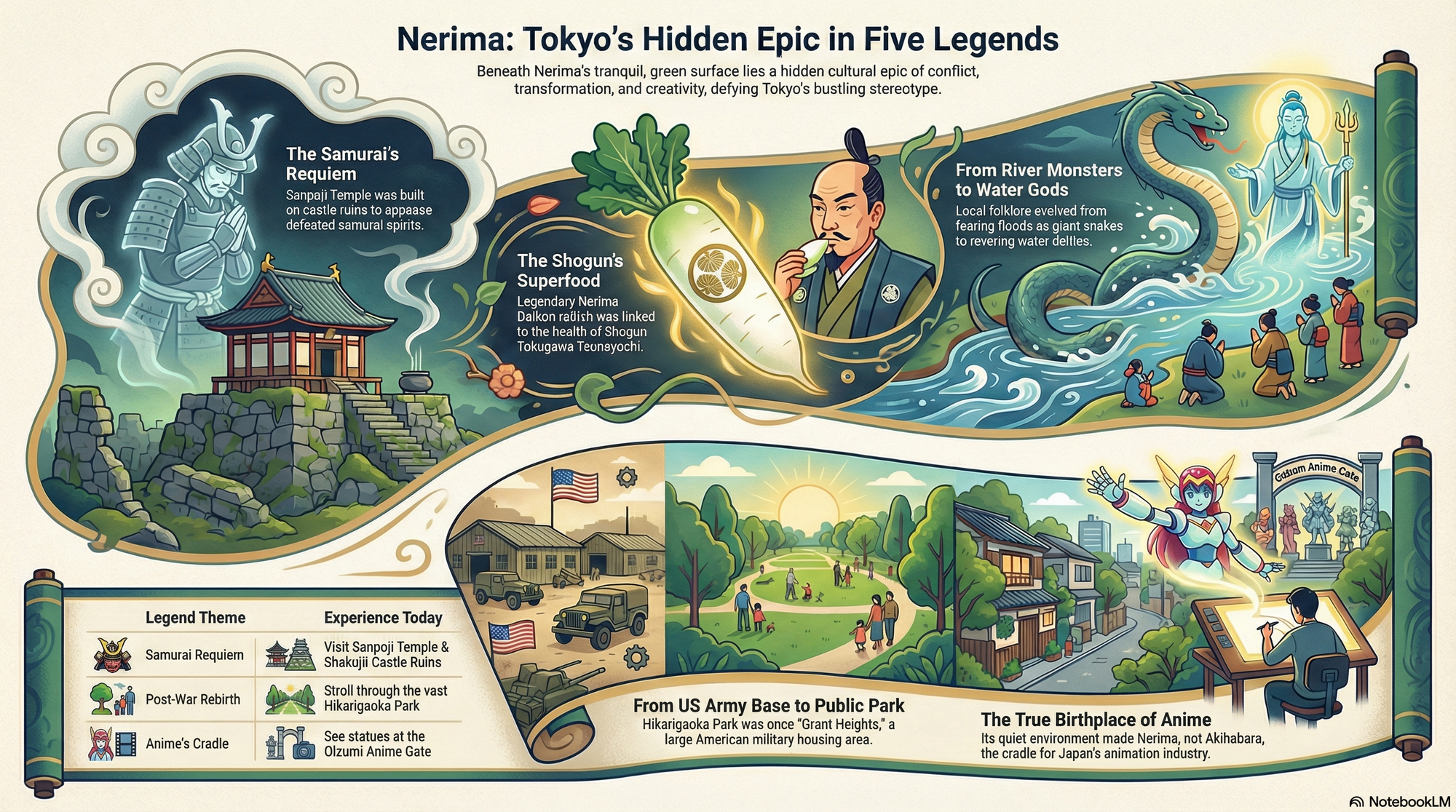
Taken together, these five stories of samurai ghosts, shogun cures, river gods, reborn land, and creative genius offer a powerful counter-narrative to the typical Tokyo experience. Nerima’s legacy is one that values memory, nature, craftsmanship, and quiet creativity over speed and scale. It reminds us that the most profound stories are often found not in the gleaming city center, but in its peaceful, unassuming edges.
The stories of Nerima prove that a city's soul is often found not in its noisy center, but in its quiet edges. The next time you visit Tokyo, will you seek the flash of the skyline, or the echo of its hidden epics?
 Lawrence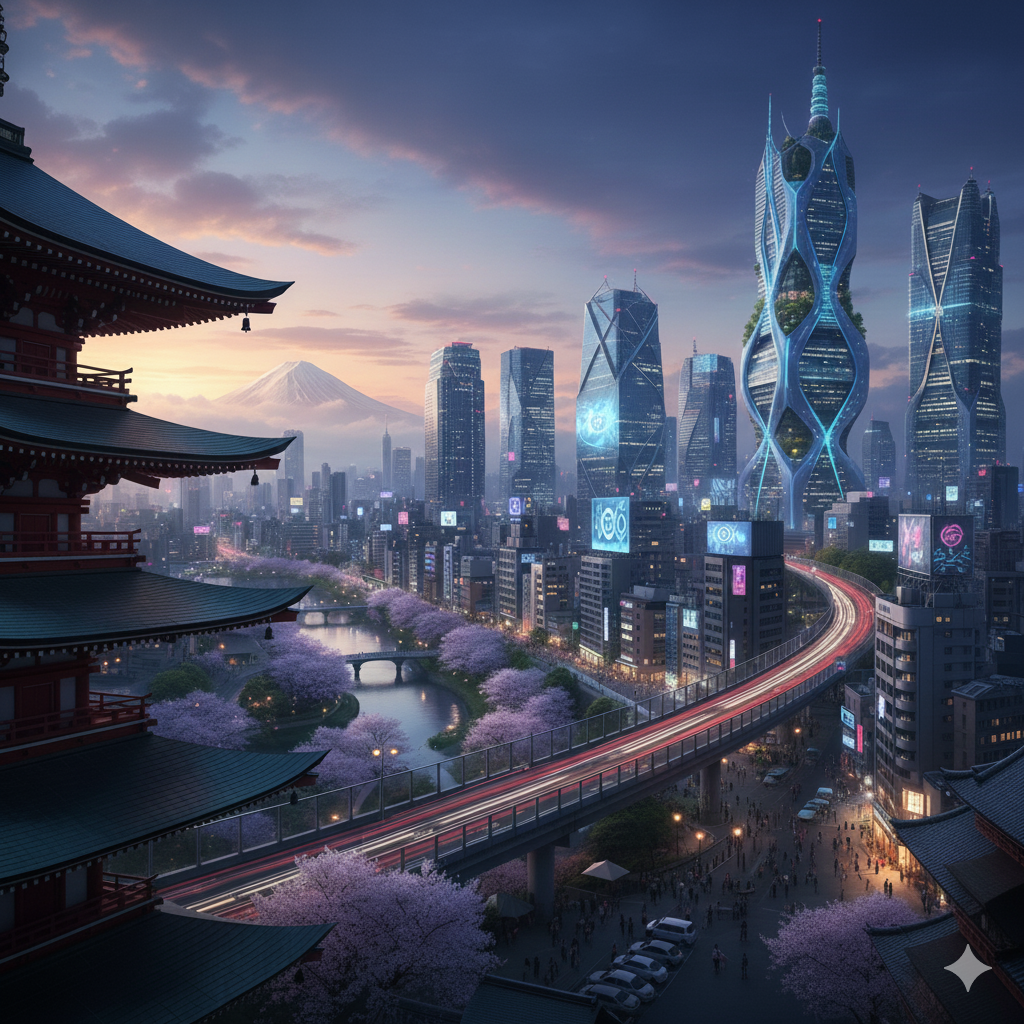
 Lawrence