
Lam Tin 藍田
At the eastern end of Kowloon, where the harbour finally narrows to a crossing, a strip of land called Lam Tin has quietly decided Hong Kong's fate more times than the history books record. Five stories. One gateway. The geography that made them all inevitable.
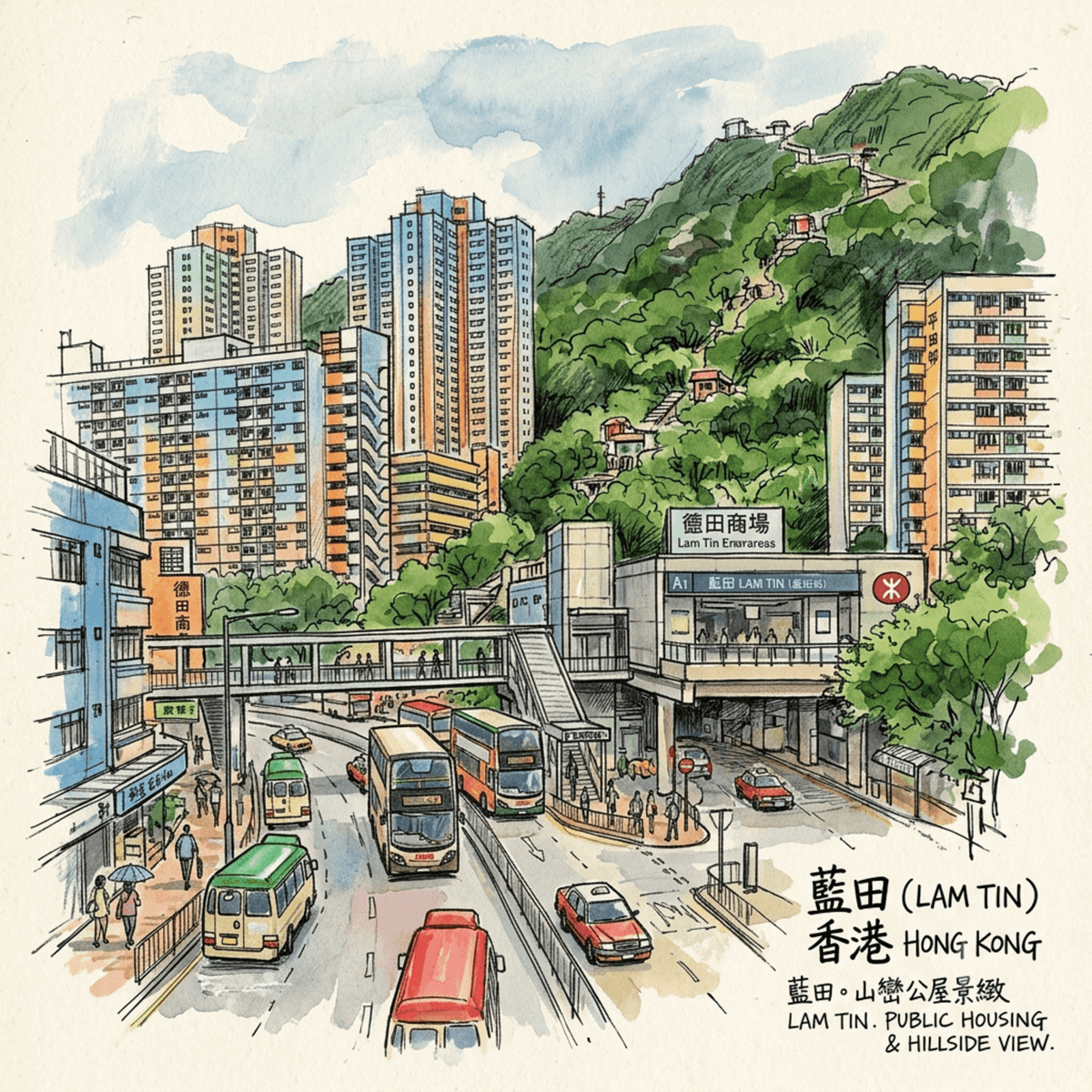
This is a long-form historical travel piece about Lam Tin and Lei Yue Mun — a corner of eastern Kowloon that most visitors to Hong Kong never see and most residents treat as a transit point. It tells five deeply researched stories about this stretch of the peninsula: the Hakka farming communities who first named it the Indigo Field and organised their lives around a sophisticated landscape cosmology; the December night in 1941 when Japanese forces crossed three hundred metres of dark harbour water and ended the British colony; the WWI gun batteries on the hill above, and the puzzle of a mountain that Chinese and English speakers independently named for the devil; the postwar hillside settlements where a million refugees invented a new form of community out of nothing; and the public housing estate where, inside standardised concrete towers, ancient spatial beliefs quietly reinvented themselves for a vertical world. By the end, you'll never simply pass through Lam Tin again.
 Lawrence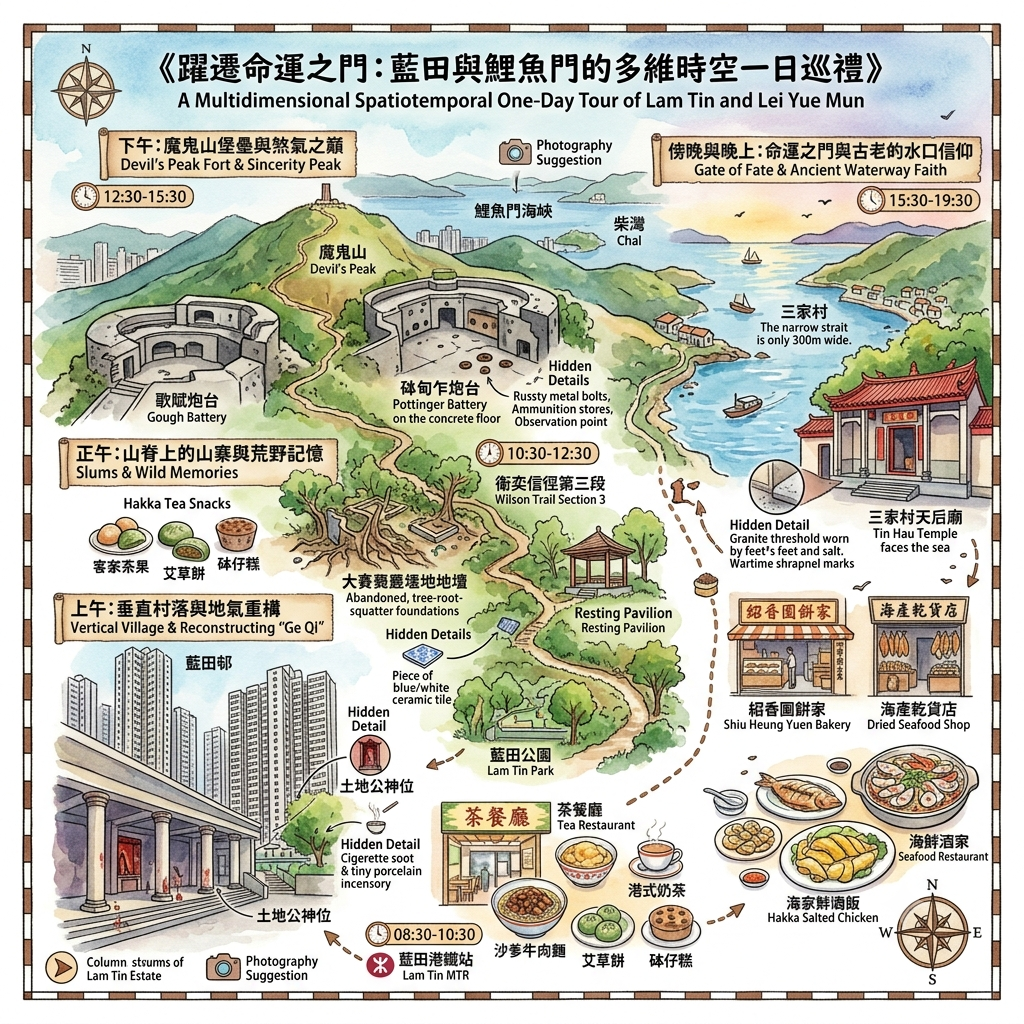
 Lawrence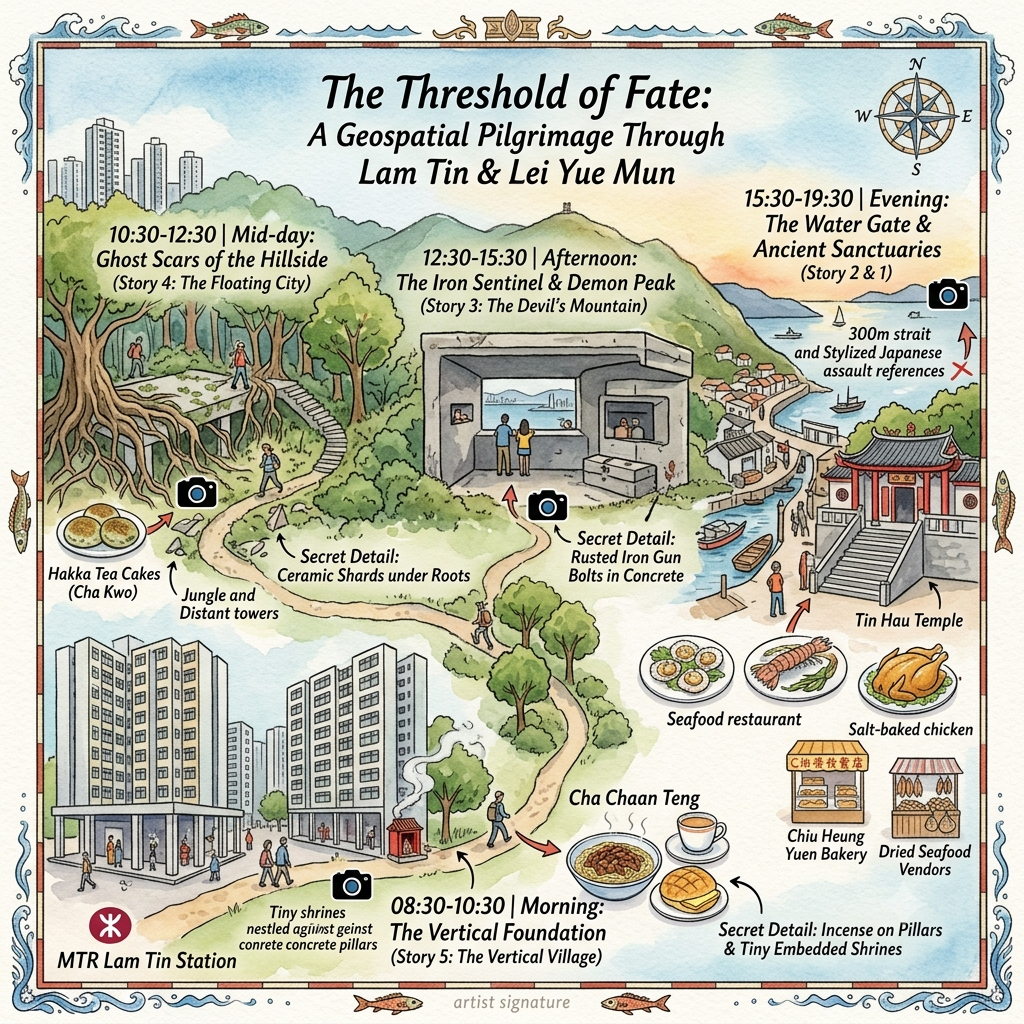
 Lawrence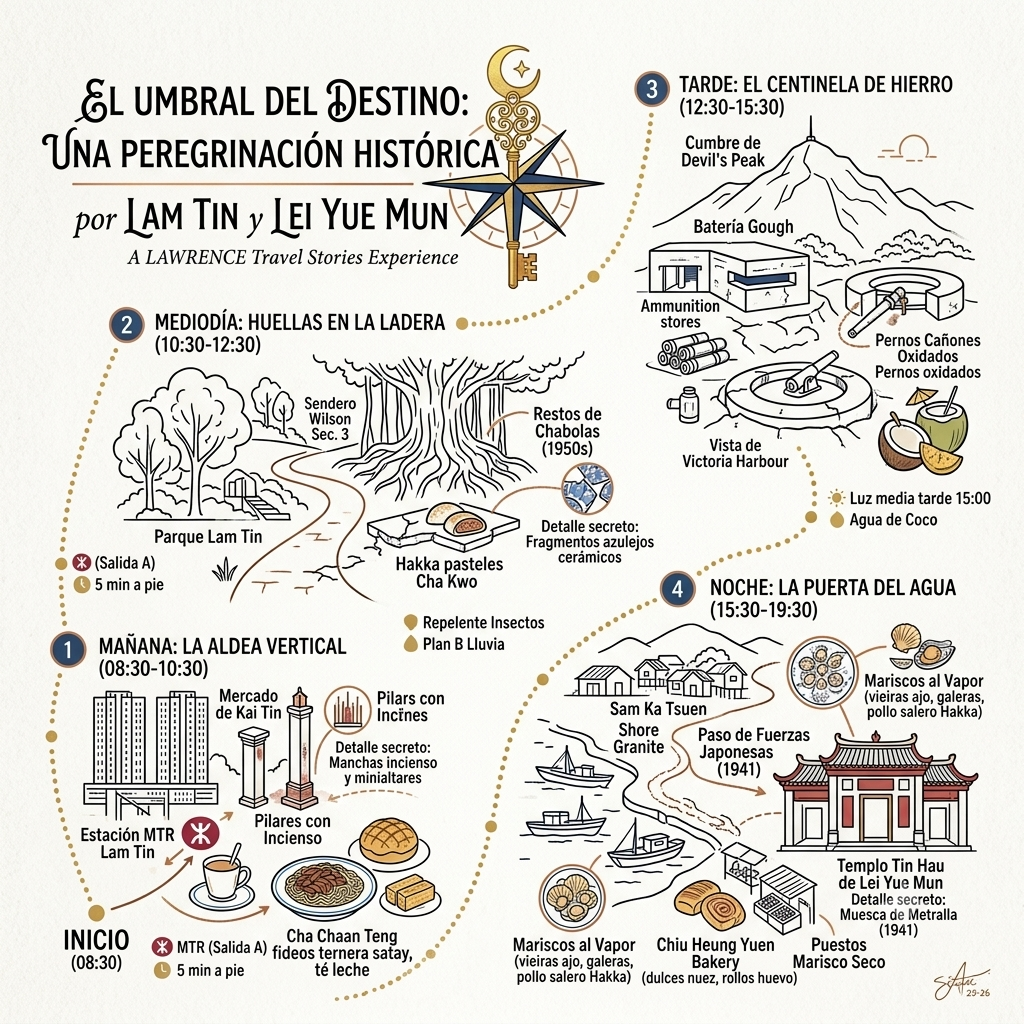
 Lawrence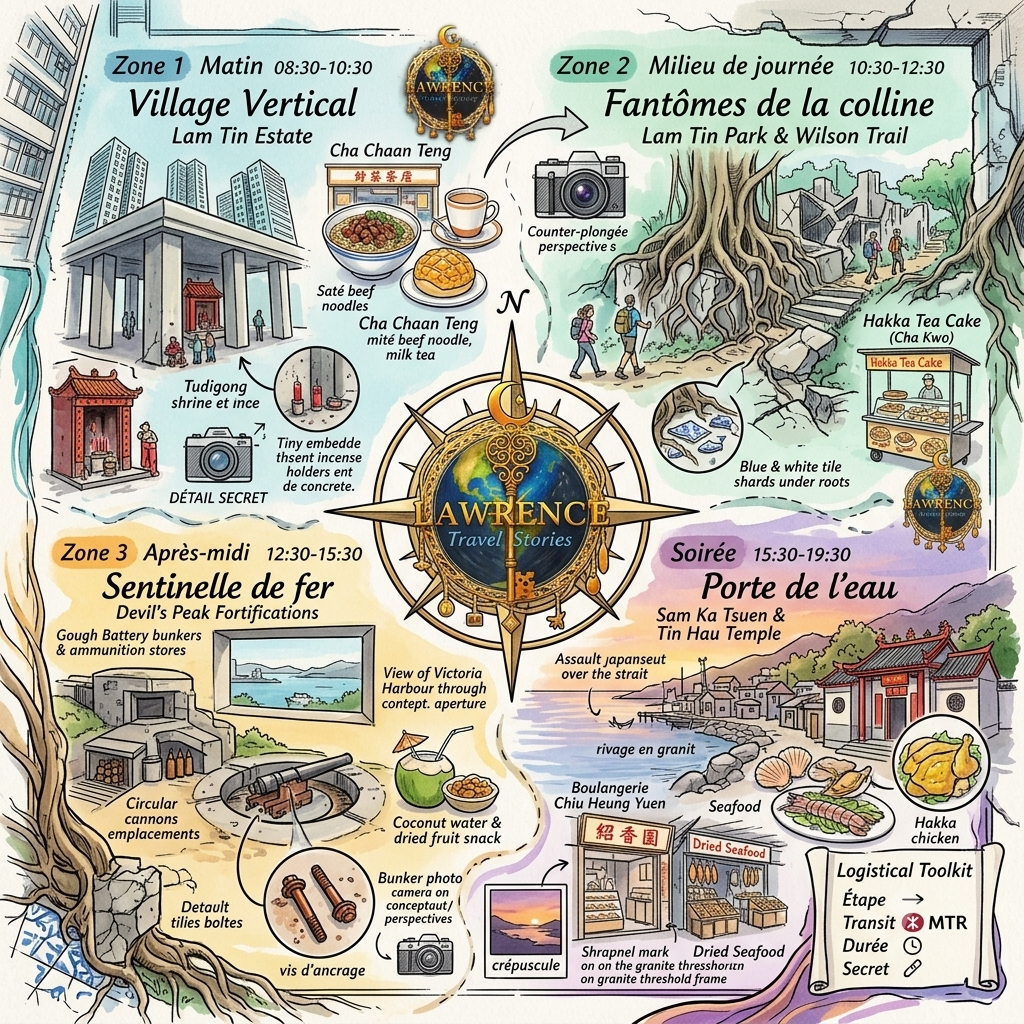
 Lawrence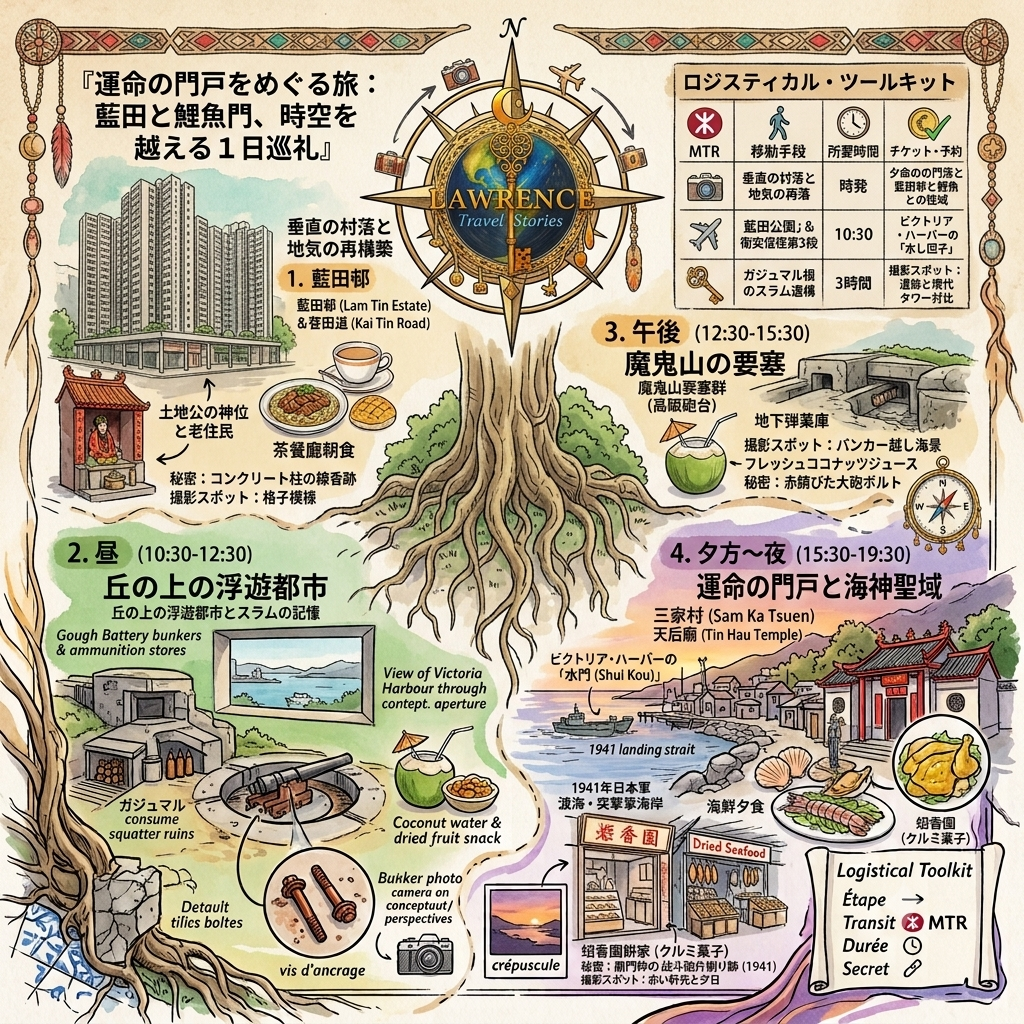
 Lawrence
 Lawrence
 Lawrence