
Commercial Tokyo 商業東京
Tokyo did not begin as a merchant city. It was a military capital. Yet within two centuries, it evolved into: Japan’s largest consumption hub A financial nerve center A global retail powerhouse Commercial Tokyo explains how political power created economic infrastructure
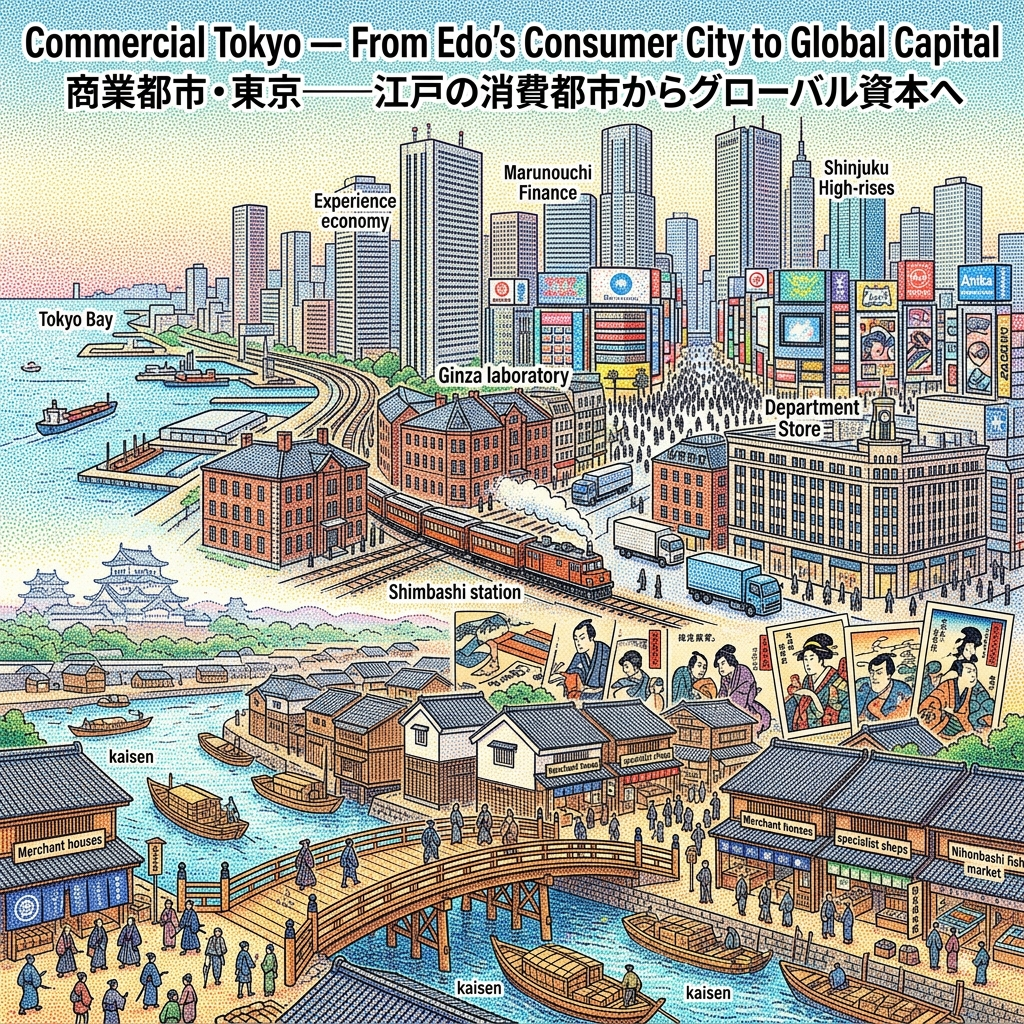
From Samurai Rice Economy to Global Consumer Capital
Commercial Tokyo — The Economic Engine Behind a Samurai City
Tokyo did not begin as a merchant city.
It was a military capital.
Yet within two centuries, it evolved into:
- Japan’s largest consumption hub
- A financial nerve center
- A global retail powerhouse
Commercial Tokyo explains how political power created economic infrastructure — and how merchants ultimately reshaped the city.
I. The Rice Economy — Foundation of Edo Finance
When Rice Became Currency
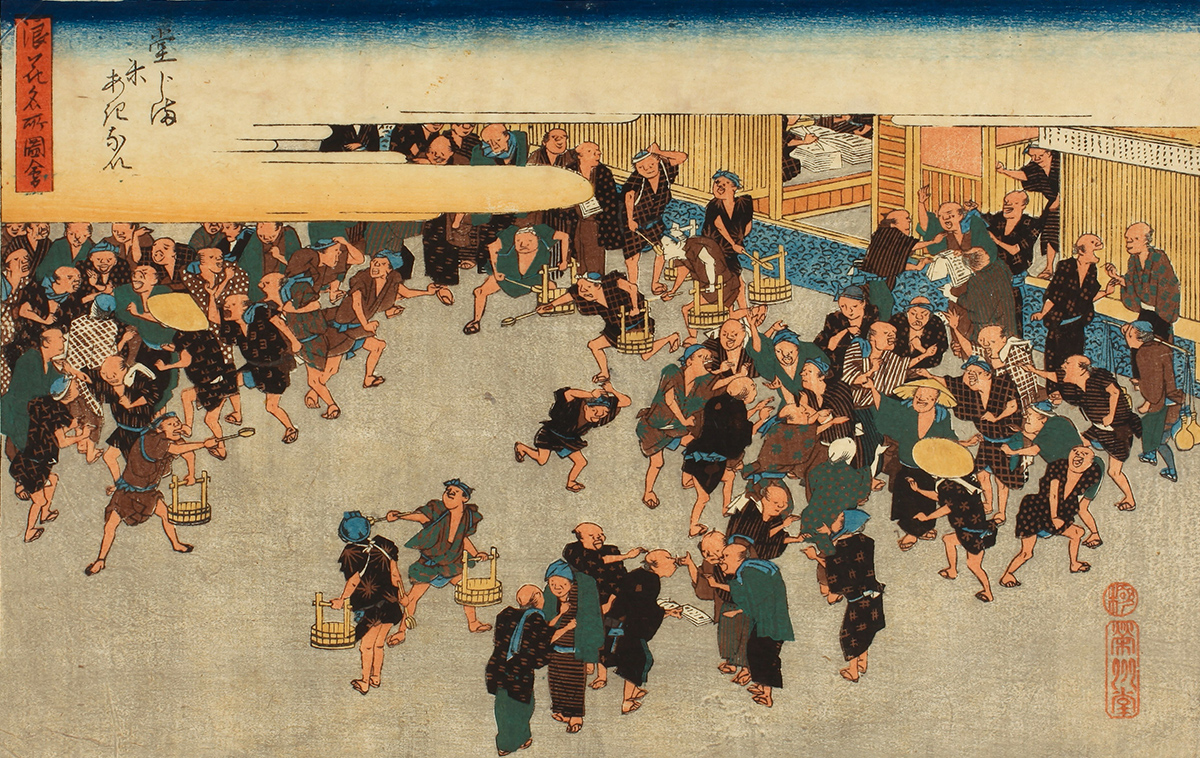
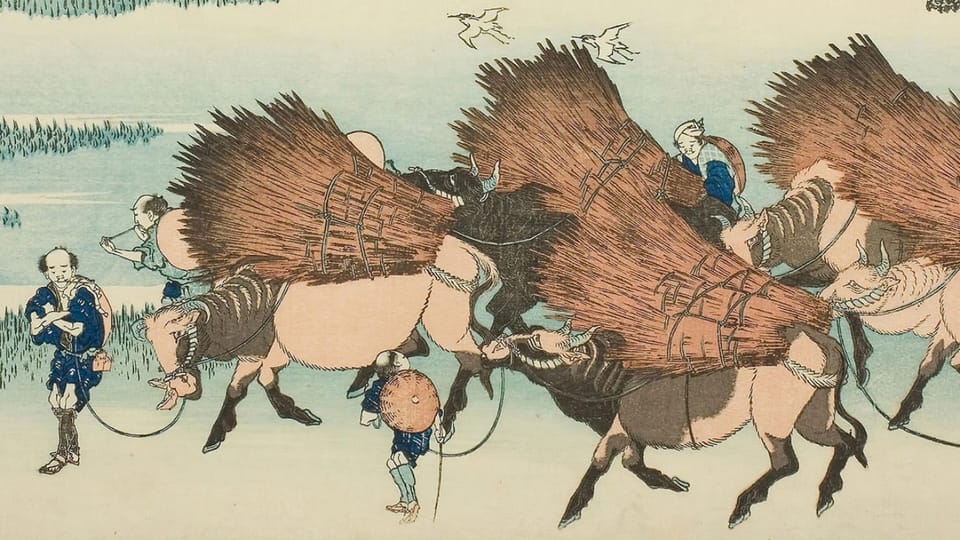
In the Edo period, samurai were paid in rice.
Rice was:
- Wealth
- Taxation unit
- Store of value
- Credit instrument
Rice brokers converted stipends into cash, effectively creating early financial instruments.
Although Osaka hosted the Dojima Rice Exchange, Edo became the primary consumption and distribution capital.

This distinction matters:
- Osaka = financial trading hub
- Edo (Tokyo) = consumption engine
II. Nihonbashi — The Zero Mile of Commerce
Where Roads and Markets Converged
Nihonbashi was:
- The starting point of Japan’s five major highways
- The wholesale fish market center
- Merchant headquarters district
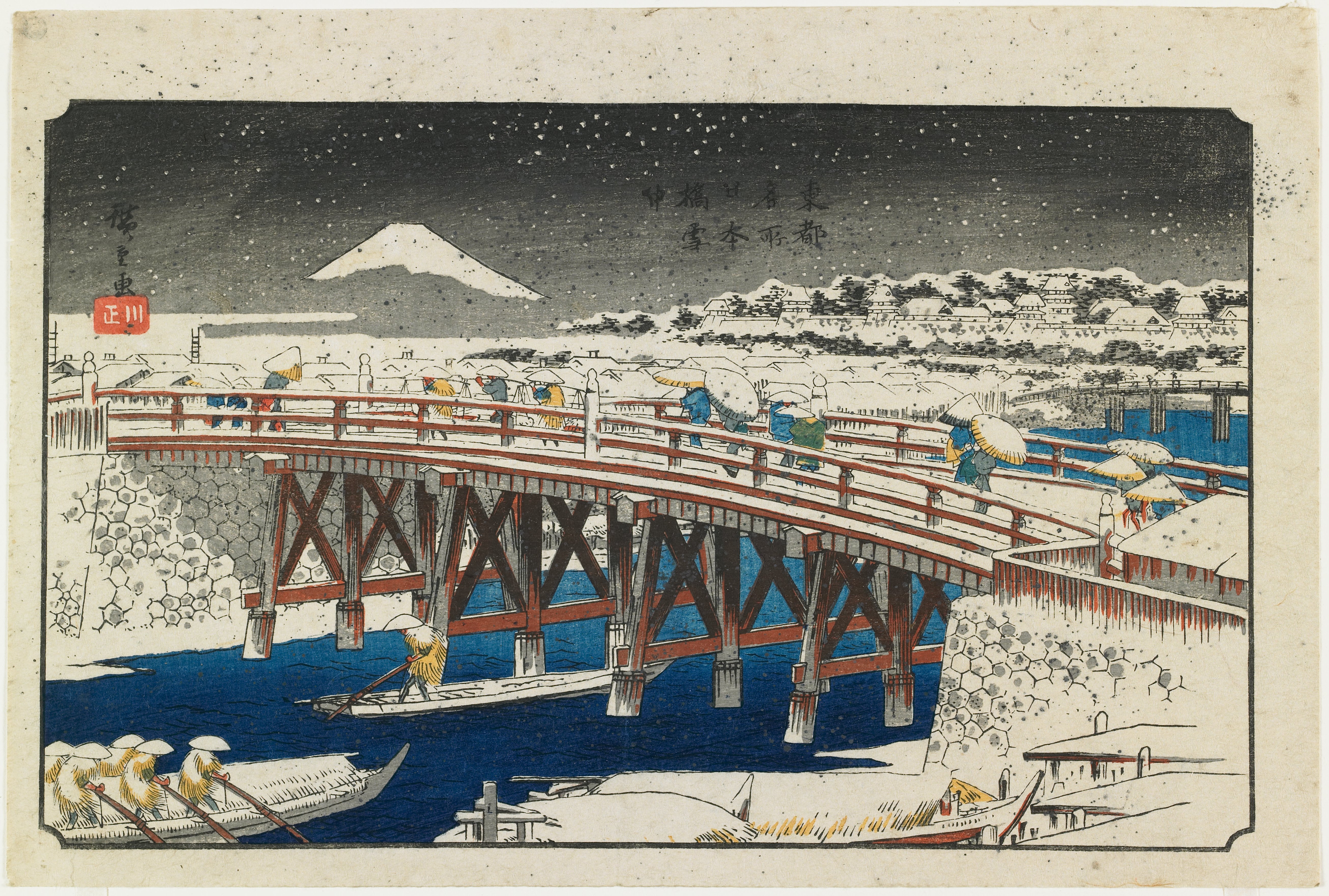
All goods entering Edo passed through this area.
It functioned as:
- Logistics hub
- Information exchange
- Price discovery center
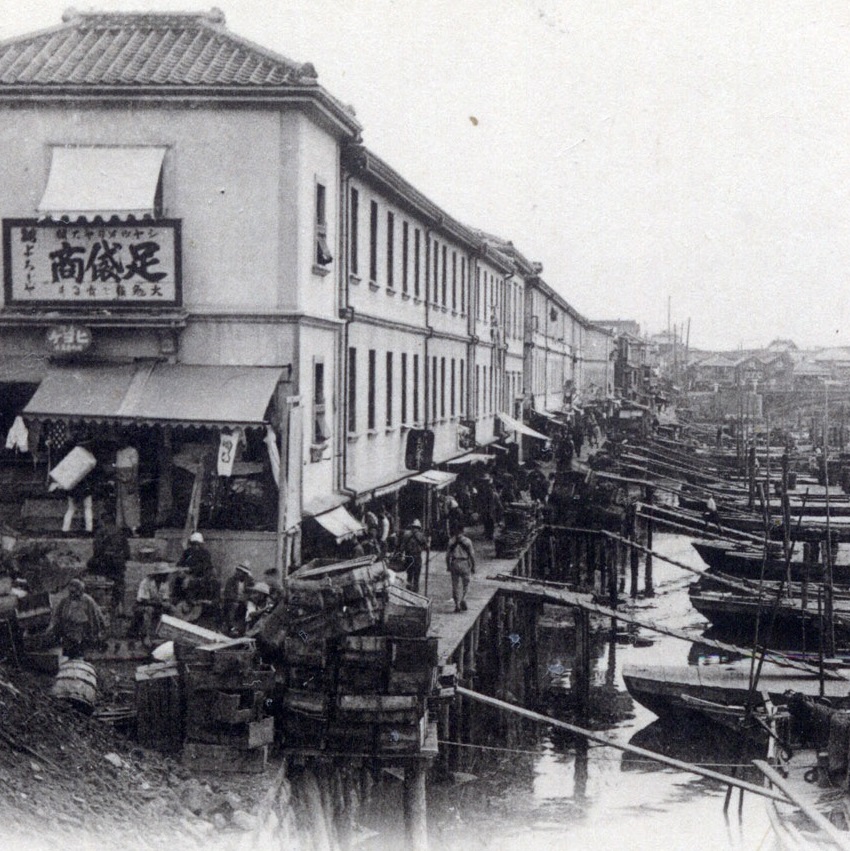
If Sacred Tokyo shaped spiritual order, Nihonbashi shaped economic order.

III. The Rise of the Merchant Class
From Lowest Status to Economic Power
Under the rigid social hierarchy (samurai, farmers, artisans, merchants), merchants ranked lowest.
Yet they controlled liquidity.
The sankin-kōtai system (alternate attendance) forced regional lords to maintain residences in Edo, generating enormous demand for:
- Luxury goods
- Housing
- Entertainment
- Textile production
Urban consumption exploded.
Merchant houses accumulated wealth exceeding that of many samurai.
This is where Commercial Tokyo truly began.
Internal links:
- Yoshiwara article
- Asakusa article
- Working Tokyo Pillar
IV. Ginza — Birthplace of Modern Consumer Culture
From Silver Mint to Luxury Corridor
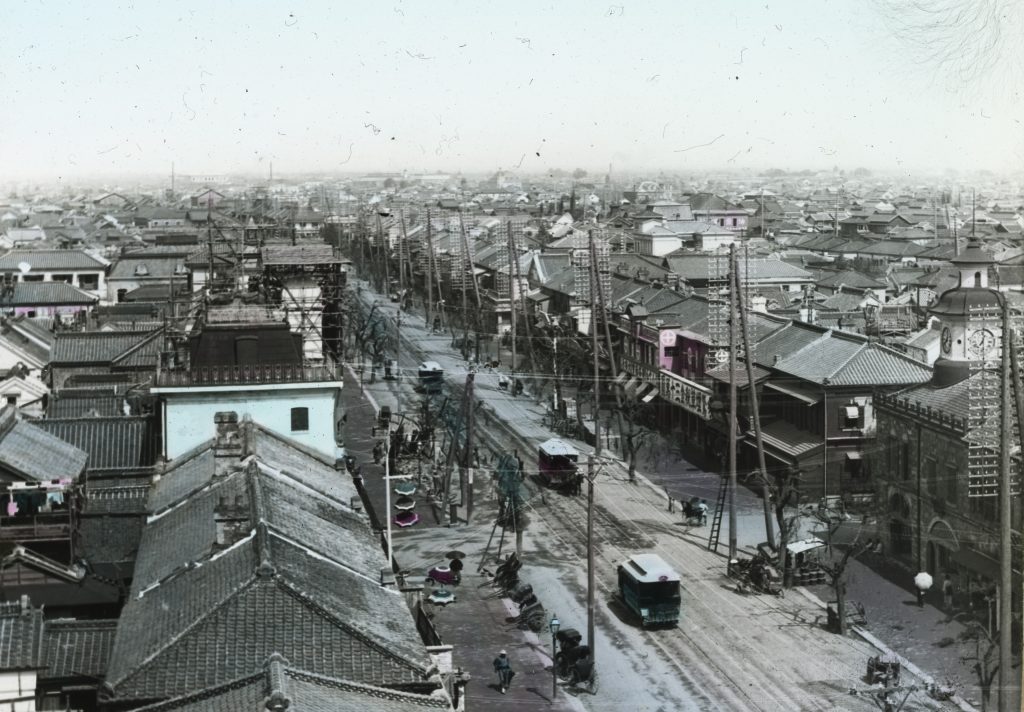
Ginza was originally a silver mint district.
After the Meiji Restoration, it was rebuilt as a Western-style brick town.
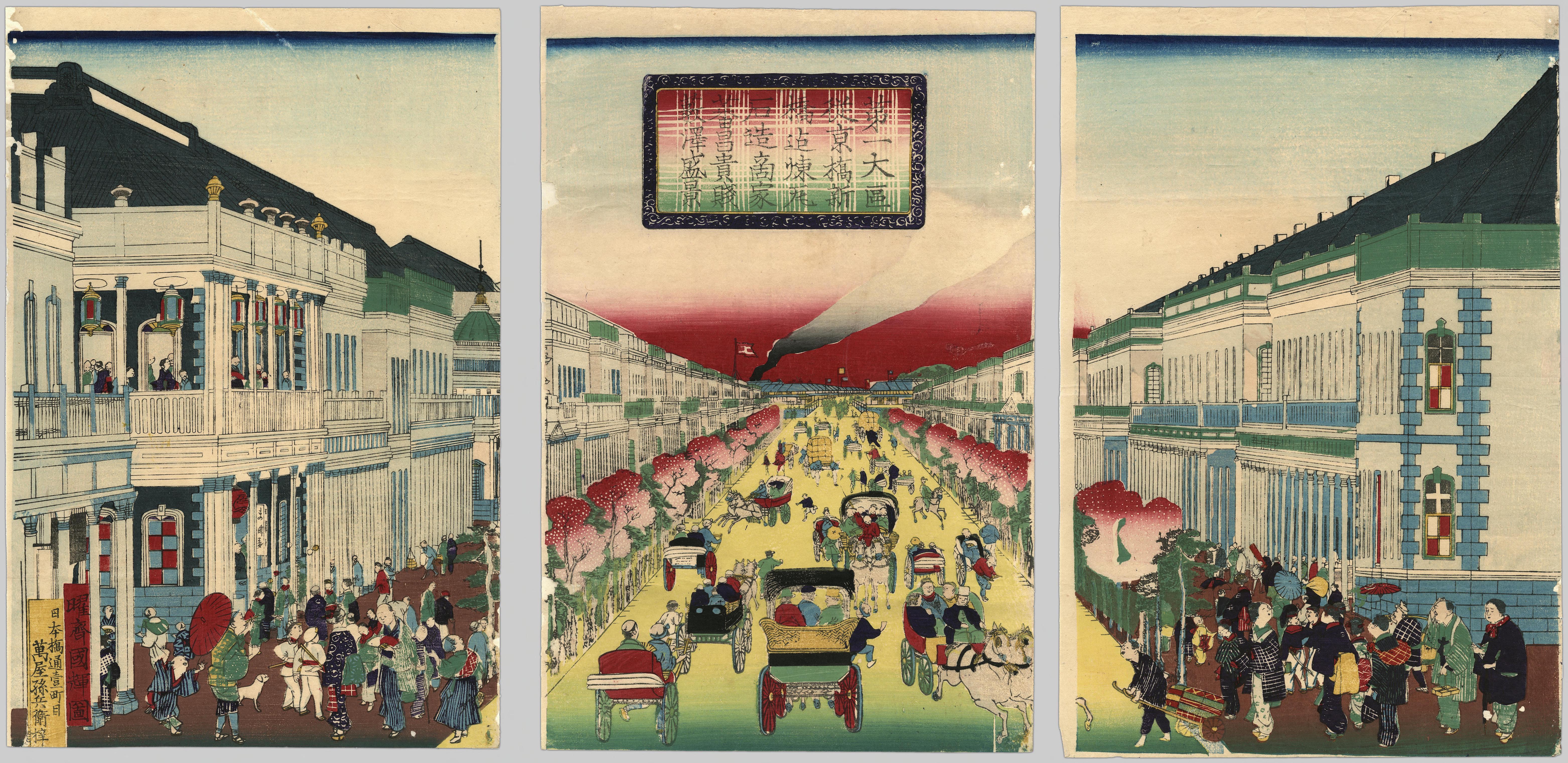
It became Japan’s first modern commercial street featuring:
- Department stores
- Cafés
- Imported goods
- Modern advertising

Ginza introduced consumer identity to Tokyo.
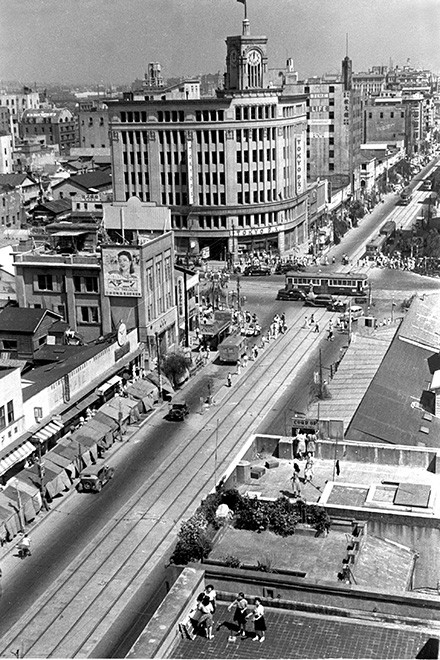
Shopping became cultural participation.
Internal links:
- Modern Tokyo Pillar
- Meiji Tokyo article
V. Tsukiji — The Power of Distribution
Feeding the Megacity

From Edo’s early fish markets to modern Tsukiji and Toyosu, Tokyo’s strength has always been logistical precision.
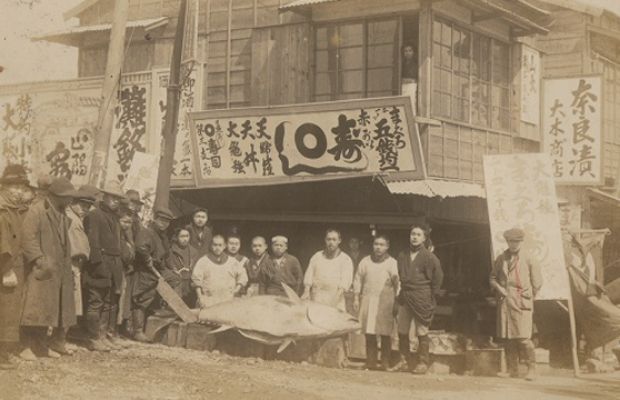
Tsukiji symbolized:
- Supply chain efficiency
- Wholesale market dominance
- Global seafood trading power
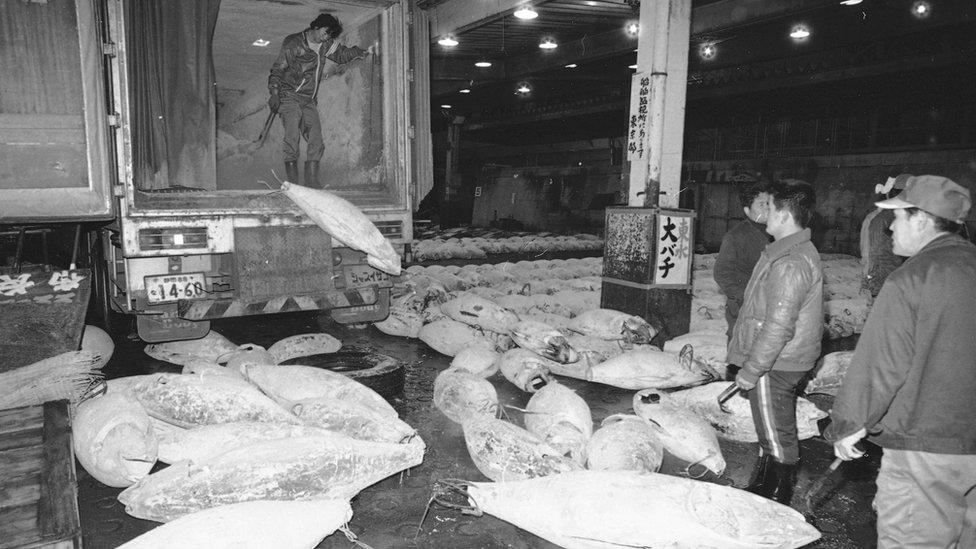
Tokyo’s commercial system evolved from rice distribution to globalized trade networks.
Internal links:
- Tsukiji article
- Toyosu article
VI. Postwar Boom — The Rise of the Spectacle Economy
Shinjuku, Shibuya and Corporate Expansion

After World War II, Tokyo experienced rapid economic expansion.

Key commercial zones emerged:
- Shinjuku → Corporate headquarters
- Shibuya → Youth retail culture
- Roppongi → International business and nightlife
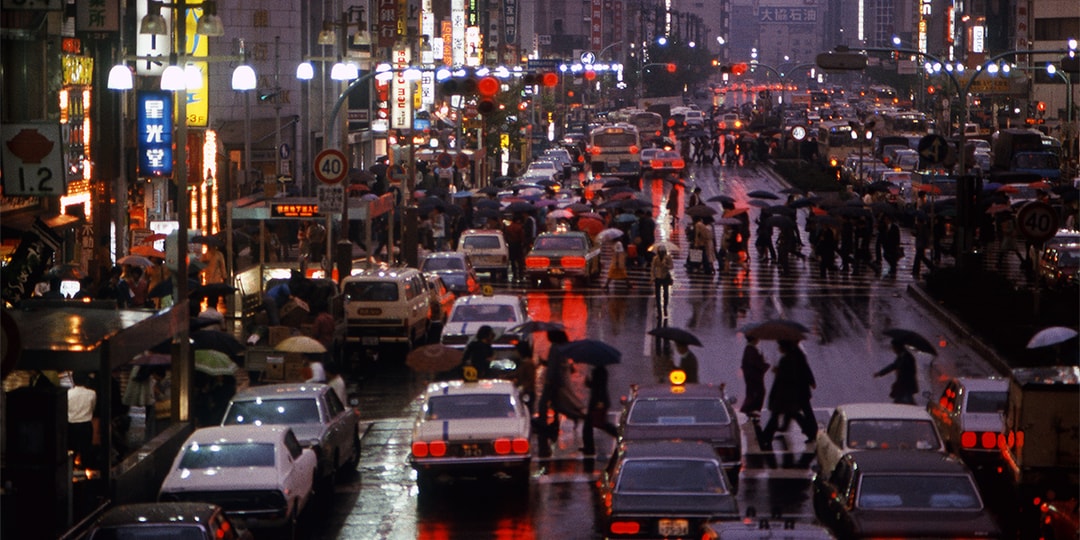
The city transitioned from production economy to brand-driven consumption economy.
Commercial Tokyo became visual, experiential, and global.
Internal links:
- Modern Tokyo Pillar
- Shinjuku article
- Shibuya article
VII. Commercial Tokyo Map — The Economic Spine
A visual economic axis including:
- Nihonbashi
- Ginza
- Tsukiji
- Marunouchi
- Shinjuku
- Shibuya
VIII. Commercial Tokyo Itinerary (History-Based Routes)
Edo Commercial Route:
Nihonbashi → Asakusa → Ueno
Meiji Capitalist Route:
Ginza → Marunouchi → Imperial Palace surroundings
Modern Consumption Route:
Shinjuku → Shibuya → Roppongi
IX. Why Commercial Tokyo Matters
Tokyo did not become a megacity because of industry alone.
It became powerful because:
- It mastered distribution
- It transformed feudal stipends into financial systems
- It evolved merchant culture into consumer culture
- It exported brands, not just goods