
Feudal Tokyo 封建時代的東京
Feudal Tokyo is not simply about castles and swords. It is about: Centralized political engineering Controlled urban growth Class hierarchy embedded into geography A city designed for surveillance and stability To understand modern Tokyo, you must understand Edo.
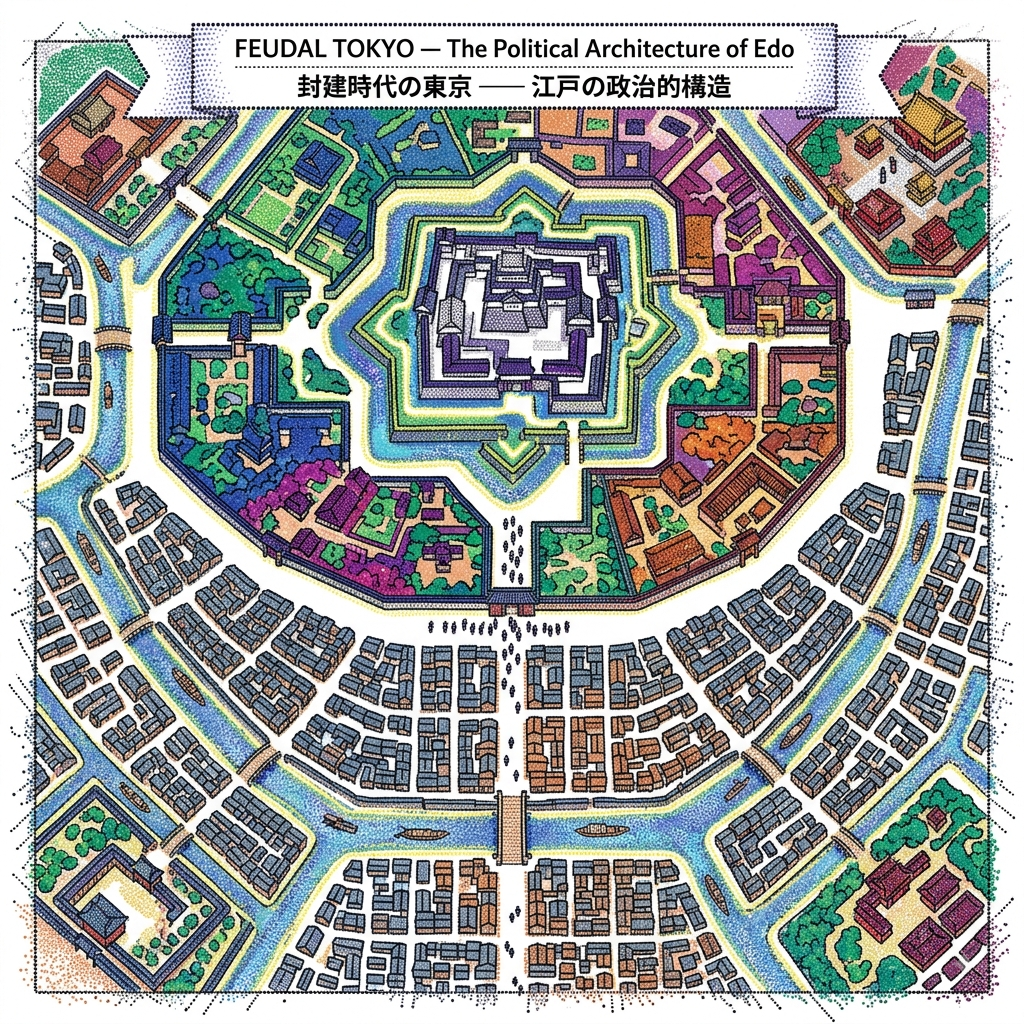
Feudal Tokyo: How Edo Became the Political Heart of Japan, a Deep Historical Travel Guide to Samurai Power, Urban Planning, and the Tokugawa Order
Before Tokyo, There Was Edo
Tokyo was not always the global metropolis we know today.
For over 260 years, it was Edo — the command center of the Tokugawa shogunate and the largest samurai city in the world.
Feudal Tokyo is not simply about castles and swords.
It is about:
- Centralized political engineering
- Controlled urban growth
- Class hierarchy embedded into geography
- A city designed for surveillance and stability
To understand modern Tokyo, you must understand Edo.
I. Edo Castle: The Axis of Power
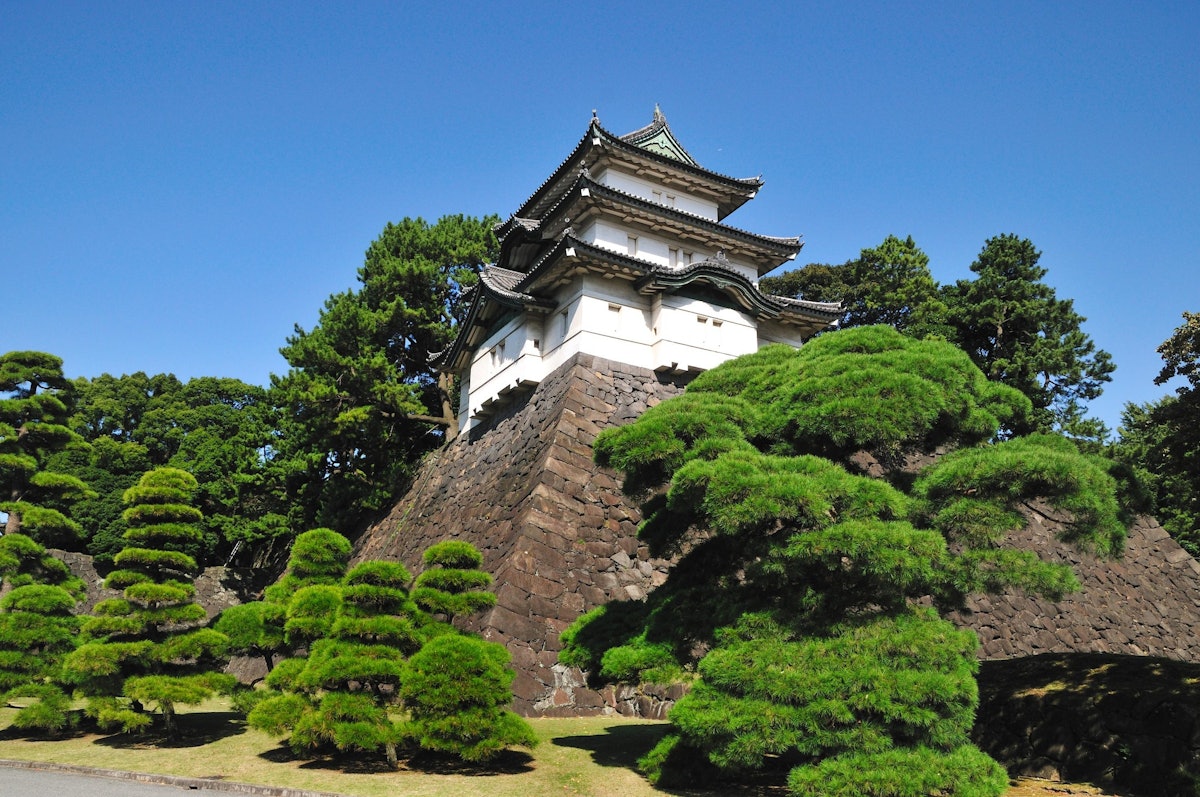
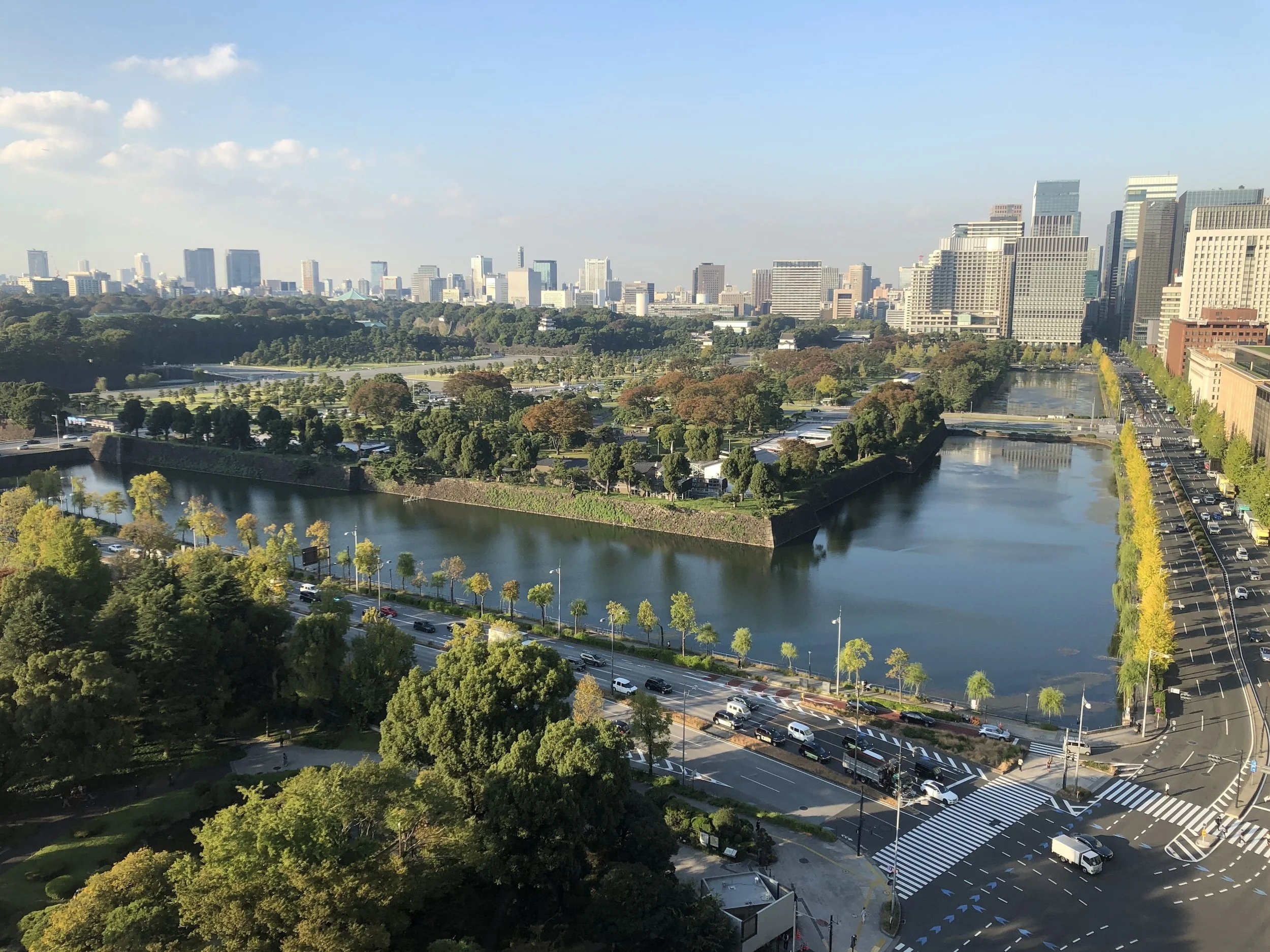


At the physical and symbolic center stood Edo Castle.
Originally fortified by Ōta Dōkan in the 15th century, it became the seat of power after:
Tokugawa Ieyasu established his rule in 1603.
Edo Castle was more than a residence.
It was:
- Administrative headquarters
- Military command center
- Political theater
- Urban anchor
Today’s Imperial Palace grounds follow its footprint — the geography of power still defines central Tokyo.
II. The Sankin-Kōtai System: Political Control Through Movement
One of the most ingenious mechanisms of Tokugawa stability was:
Sankin-Kōtai (alternate attendance).
Regional daimyo were required to:
- Maintain residences in Edo
- Spend alternating years in the city
- Leave their families as political hostages
This system:
- Prevented rebellion
- Stimulated urban growth
- Created enormous samurai residential districts
Edo’s expansion was not organic.
It was engineered.
III. Samurai Urban Planning: Class Written Into Streets


Feudal Tokyo was spatially segregated.
- Samurai districts near the castle
- Merchant quarters around Nihonbashi
- Temple districts in Asakusa and Ueno
Class hierarchy was reflected in land allocation.
Even today:
- Large institutional blocks in central Tokyo mirror former samurai estates
- Road layouts trace Edo-era defensive logic
Modern Tokyo still sits on feudal zoning.
IV. Nihonbashi: The Official Center of Japan
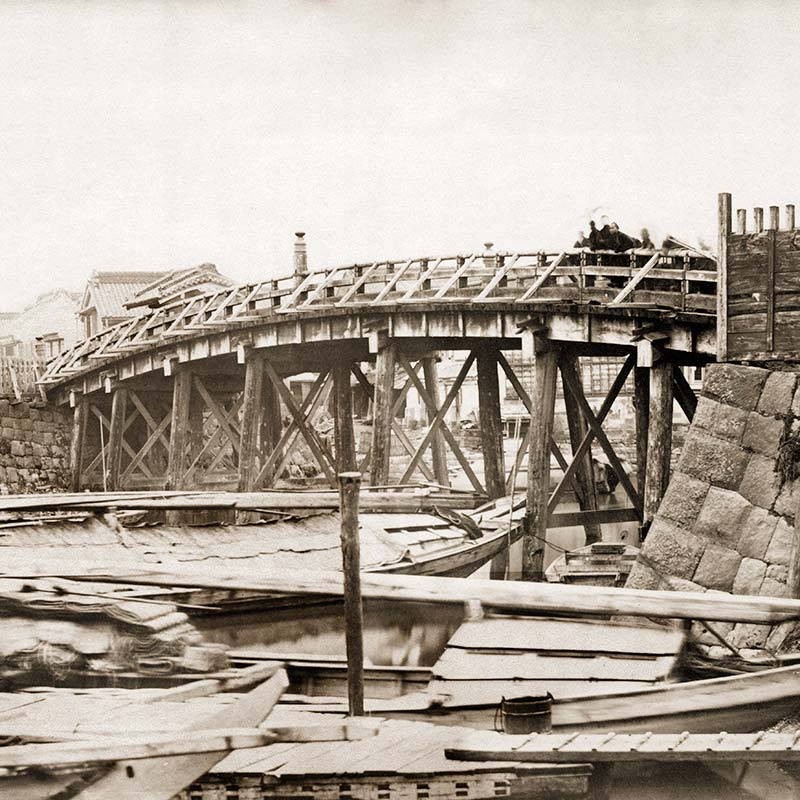
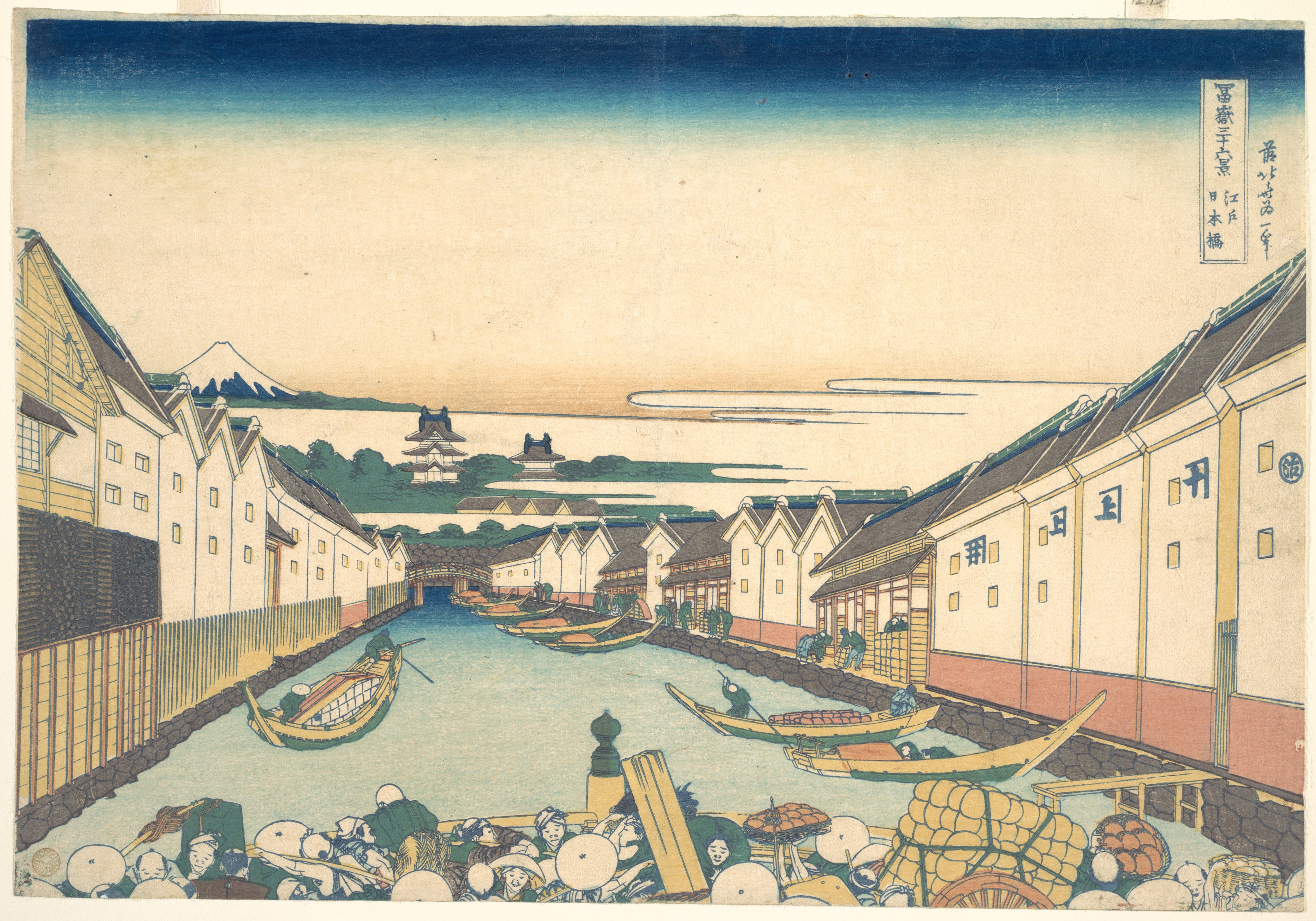

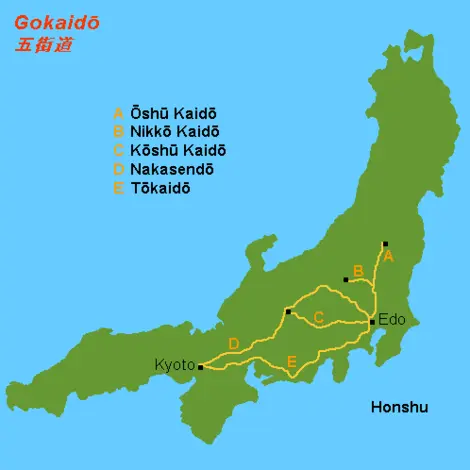
Nihonbashi was declared the official kilometer zero of Japan.
From this bridge radiated the Five Highways:
- Tōkaidō
- Nakasendō
- Kōshū Kaidō
- Ōshū Kaidō
- Nikkō Kaidō
Edo was not merely capital.
It was national center.
Infrastructure was political consolidation.
V. Religion as Legitimacy: Sacred Edo
Though political in structure, Edo relied on spiritual legitimacy.
Key institutions included:
- Senso-ji
- Kanda Myojin
Shrines and temples were not isolated faith spaces.
They were embedded within:
- Merchant districts
- Samurai neighborhoods
- Pilgrimage circuits
Religion reinforced social order.
Sacred Tokyo and Feudal Tokyo were inseparable.
VI. The Great Fire of Meireki: Disaster and Urban Reinvention
In 1657, the Great Fire of Meireki devastated Edo.
Tens of thousands died.
Yet the disaster led to:
- Wider streets
- Firebreak zones
- Redistribution of temples
- Improved urban design
Edo demonstrated resilience long before modern Tokyo did.
Disaster shaped governance strategy.
VII. Daily Life in a Samurai Capital


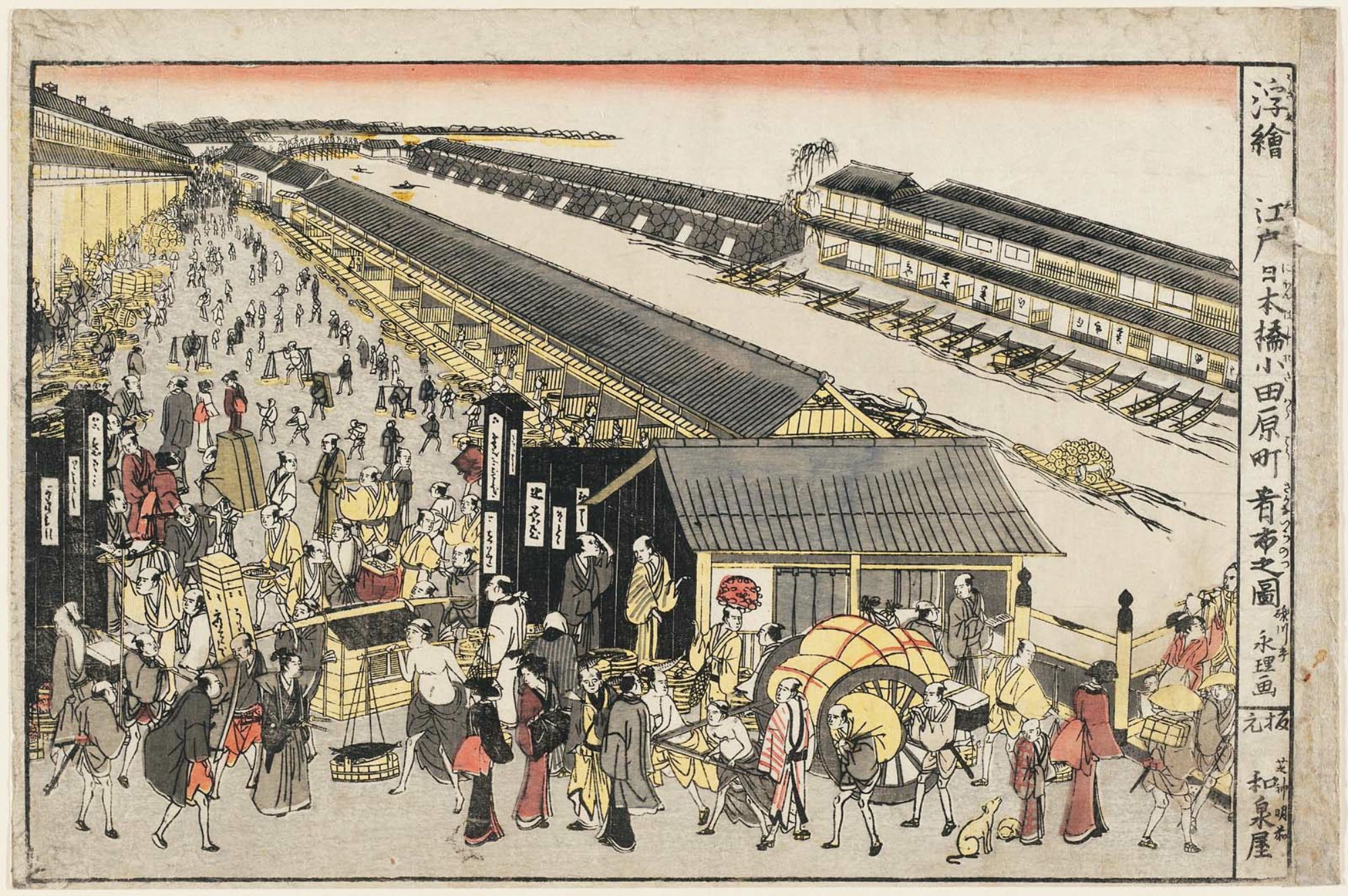

By the 18th century, Edo was one of the world’s largest cities.
Its society included:
- Samurai administrators
- Wealthy merchants
- Artisans
- Common townspeople (chōnin)
Cultural life flourished:
- Kabuki theater
- Ukiyo-e woodblock prints
- Literary salons
Feudal Tokyo was politically rigid — but culturally vibrant.
VIII. Walking Feudal Tokyo Today (Strategic Route)
To experience Feudal Tokyo with historical awareness:
1. Imperial Palace East Gardens
Trace Edo Castle foundations.
2. Nihonbashi
Stand at Japan’s historic center point.
3. Asakusa
Experience temple-town continuity.
4. Ueno
Former temple district and elite estates.
5. Yasukuni / Kanda Area
Understand shrine-state evolution.
This is not random sightseeing.
It is political geography in motion.
IX. Transition: From Edo to Tokyo
In 1868, the Meiji Restoration ended the Tokugawa shogunate.
Edo was renamed Tokyo — “Eastern Capital.”
Power moved symbolically to the Emperor.
But the physical city remained largely intact.
Modern Tokyo did not erase Edo.
It absorbed it.
Conclusion: The City Designed to Prevent Rebellion
Edo was not accidental.
It was engineered stability.
Its castle centered authority.
Its highways radiated control.
Its zoning enforced hierarchy.
Its rituals reinforced legitimacy.
Modern Tokyo’s density, structure, and institutional gravity are not random.
They are inherited.
To walk Tokyo without seeing Edo is to miss the foundation beneath the skyline.