
Hidden Hong Kong 隱密香港
 Lawrence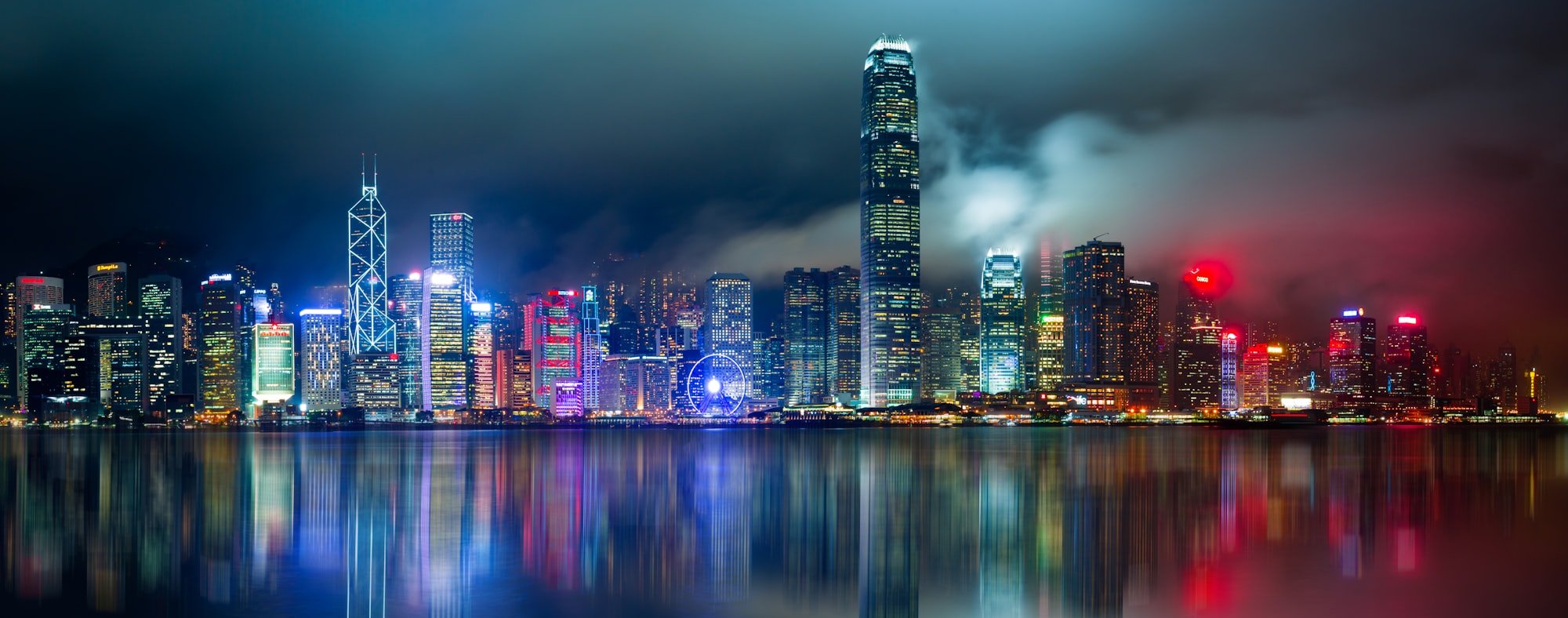
 Lawrence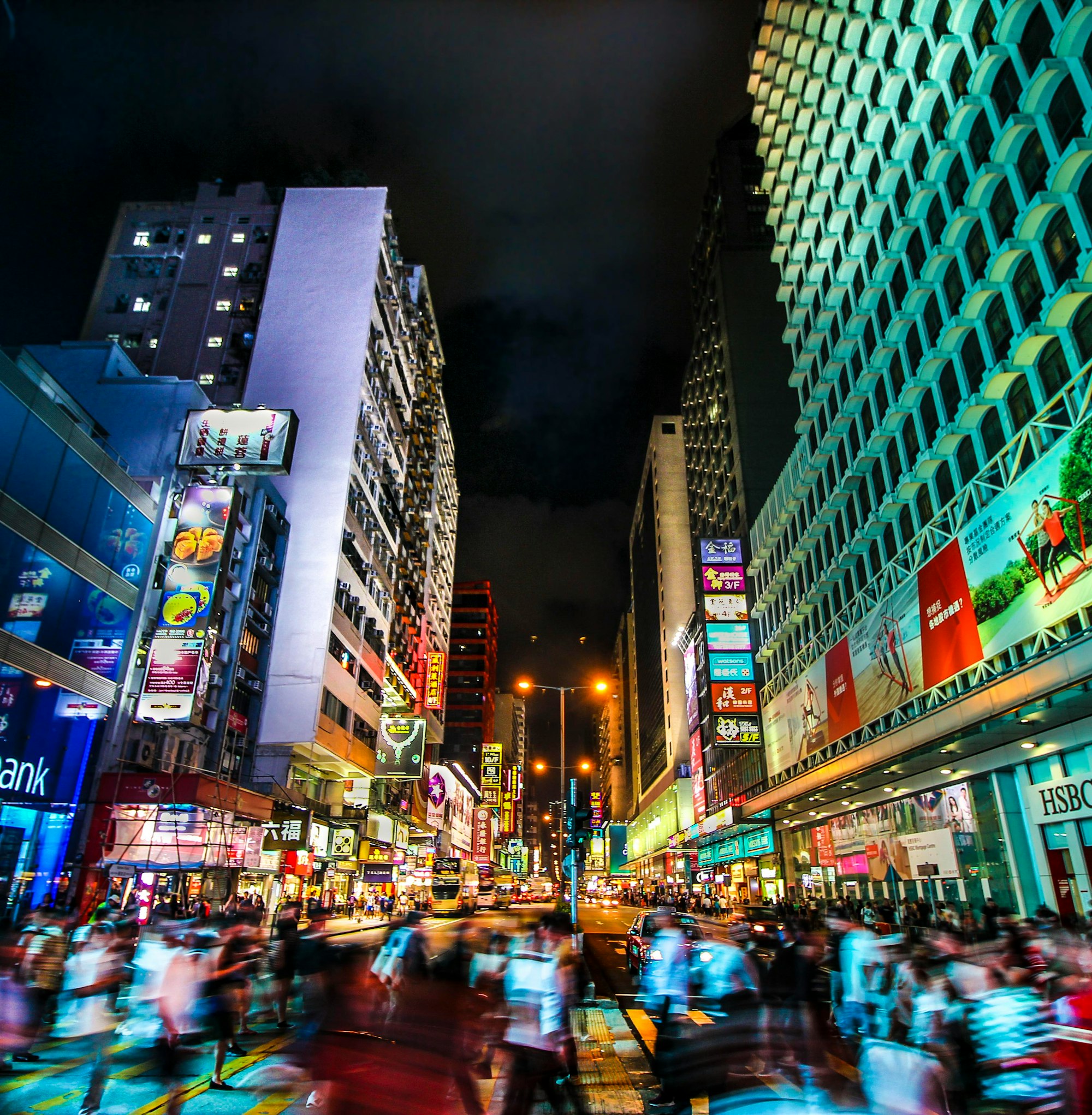
 Lawrence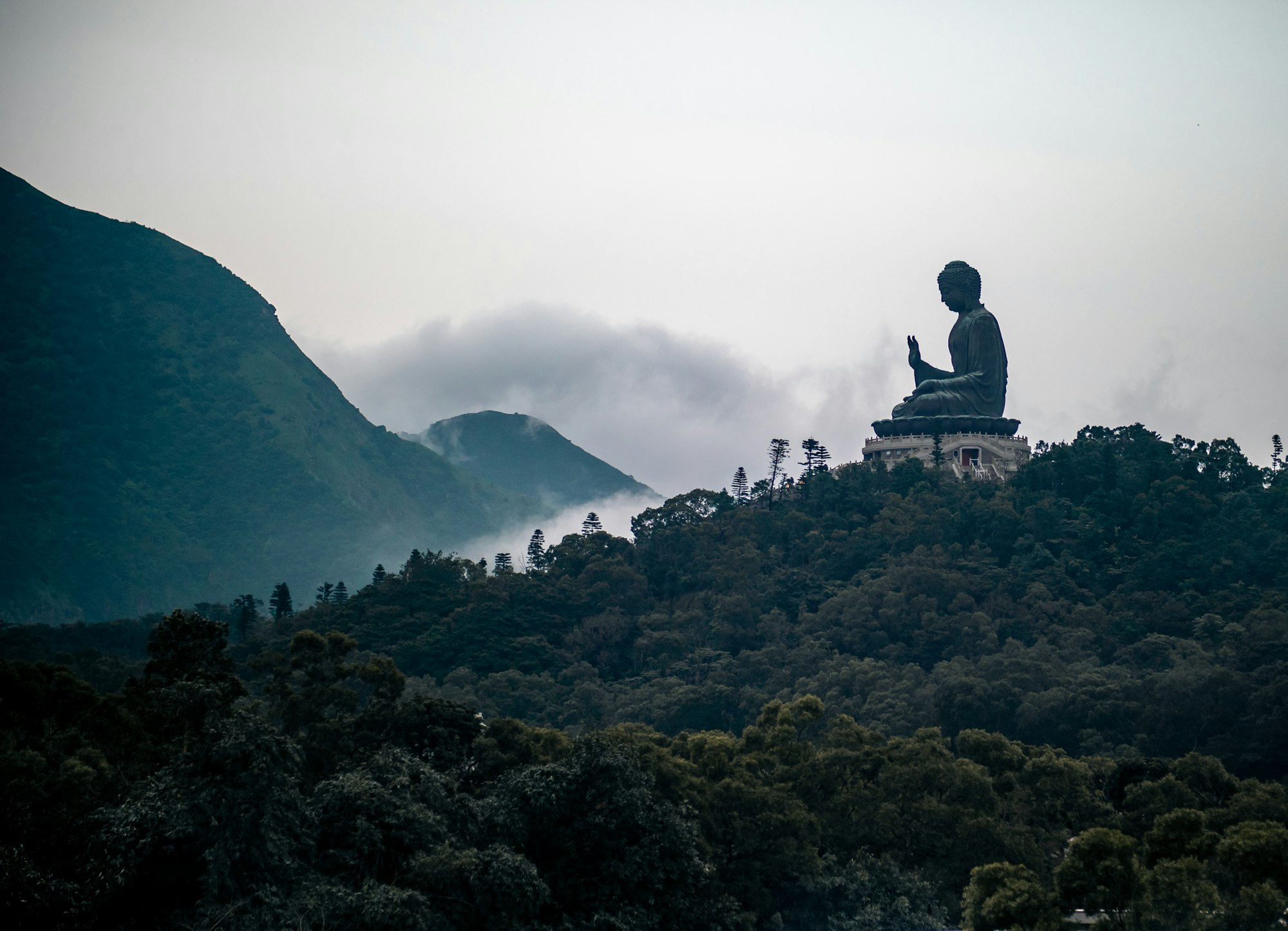
 Lawrence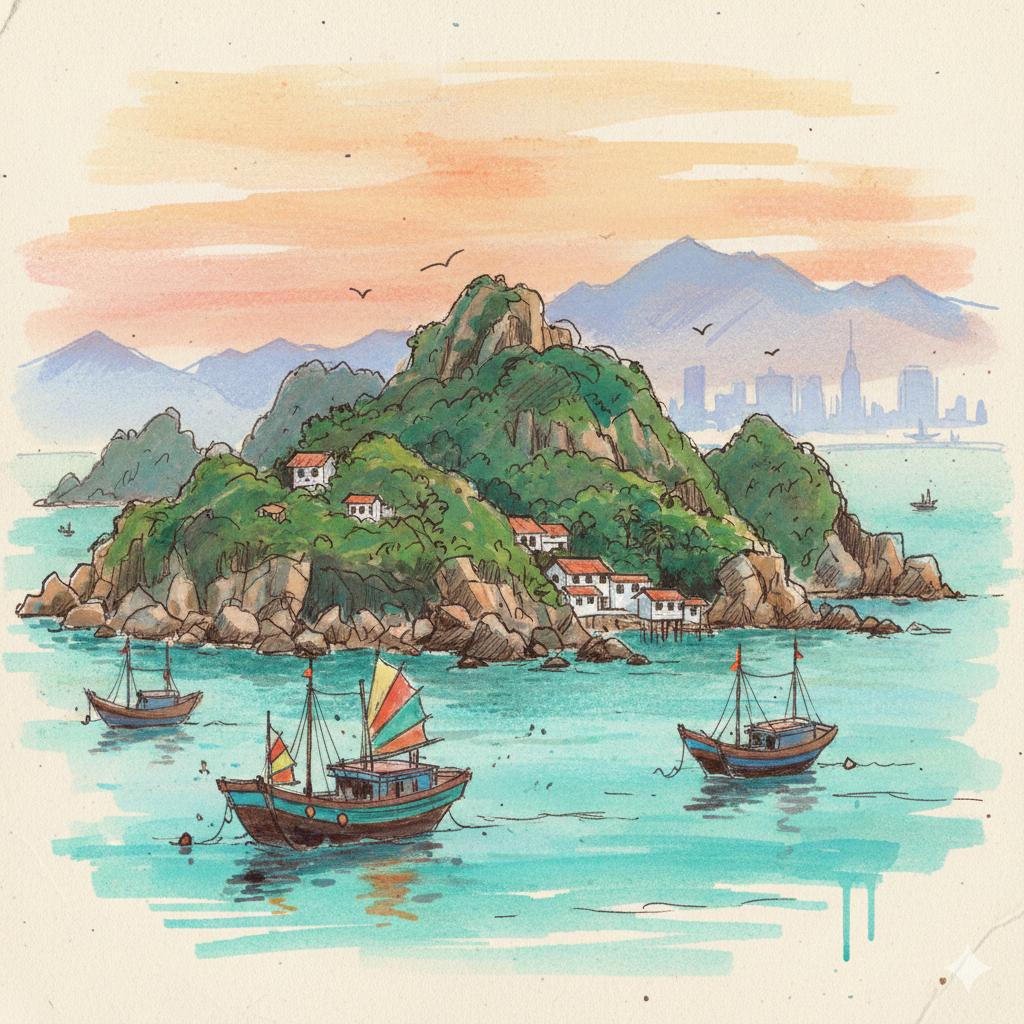
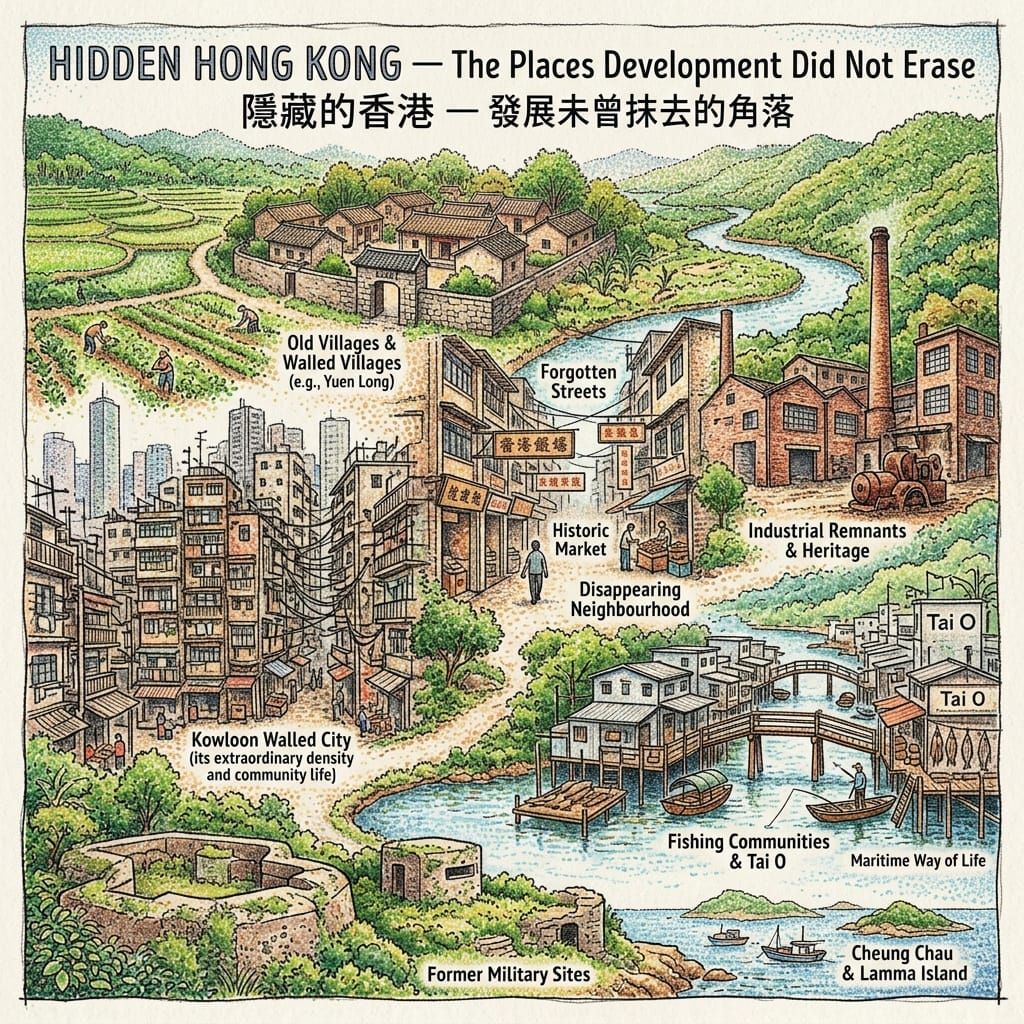
Hidden Hong Kong — The City Beneath the City
Forgotten Communities, Surviving Landscapes and the Histories Modern Hong Kong Nearly Erased
Hong Kong is famous for what is visible.
The skyline.
Victoria Harbour.
The financial towers.
The crowded streets.
The MTR.
The shopping districts.
But another Hong Kong exists behind them.
It survives in old villages surrounded by new towns.
In fishing communities built around waterways.
In former industrial districts.
In forgotten military landscapes.
In temples that continue to serve neighbourhoods.
In old streets that escaped complete redevelopment.
And sometimes in places that have physically disappeared but remain deeply embedded in collective memory.
This is Hidden Hong Kong.
But “hidden” does not mean secret.
Many of these places are perfectly visible.
What has become hidden is their historical meaning.
A village may look like an ordinary residential area until you understand its clan structure.
A fishing village may appear picturesque until you realize that its waterways once supported an entire economy.
A public housing estate may look like ordinary concrete until you understand the migration and social history behind it.
A vacant industrial site may look unimportant until you discover that it once powered Hong Kong's manufacturing economy.
Hidden Hong Kong is therefore not a list of secret attractions.
It is an investigation into what survived, what disappeared, and what the modern city chose to remember.
1. What Is Hidden Hong Kong?
The Histories Outside the Main Narrative
Every successful city develops a simplified story about itself.
Hong Kong's conventional story is familiar:
small fishing settlement → British colony → trading port → manufacturing centre → global financial city
The story is broadly true.
But it leaves out many of the people and places that made each transition possible.
Hidden Hong Kong looks beyond the headline narrative.
It asks:
- Who lived here before the modern city?
- How did communities organize themselves?
- What happened when development arrived?
- Which places survived?
- Which places disappeared?
- Why were some historical landscapes preserved?
- What happens when an ordinary neighbourhood suddenly becomes “heritage”?
These questions take us away from landmark tourism and towards historical interpretation.
2. The Other Hong Kong — Villages Inside the Metropolis
The New Territories Were Never Empty Land
One of the greatest misconceptions about Hong Kong is that the New Territories are simply an extension of the modern city.
Historically, they contained a complex rural landscape of:
- Villages
- Clan organizations
- Agricultural fields
- Fishponds
- Temples
- Ancestral halls
- Walled settlements
- Market towns
The modern New Territories were built on top of this earlier landscape.
New towns, railways, roads and housing estates transformed the territory.
But many village structures remain.
This creates one of Hong Kong's most fascinating contrasts:
a modern metropolitan region surrounding communities whose histories reach back centuries.
Explore Further
→ Tuen Mun historical stories
→ Yuen Long historical stories
→ Ping Shan heritage
→ Colonial Hong Kong Theme Pillar
→ Sacred Hong Kong Theme Pillar
3. Tuen Mun — The Old Landscape Beneath the New Town
When “New Town” Turns Out to Be Ancient
Tuen Mun is one of the best examples of Hidden Hong Kong.
For many visitors, Tuen Mun represents postwar urban development, housing estates and transport infrastructure.
But the historical landscape beneath this modern town is much older.
Archaeological evidence demonstrates long-term human activity in the area, while village landscapes, temples and historic buildings preserve later layers of settlement.
The contrast is striking.
A visitor can move from a modern transport interchange to an old village environment within minutes.
That is exactly what makes Tuen Mun historically important.
The modern city did not replace the older landscape completely.
It surrounded it.
Your existing Tuen Mun story can therefore become a key node within Hidden Hong Kong, with additional links to Sacred Hong Kong and Colonial Hong Kong.
Explore Further
→ Tuen Mun historical story
→ Sacred Hong Kong Theme Pillar
→ Colonial Hong Kong Theme Pillar
4. Tai O — The Maritime Hong Kong That Survived
A Fishing Community Built Around Water
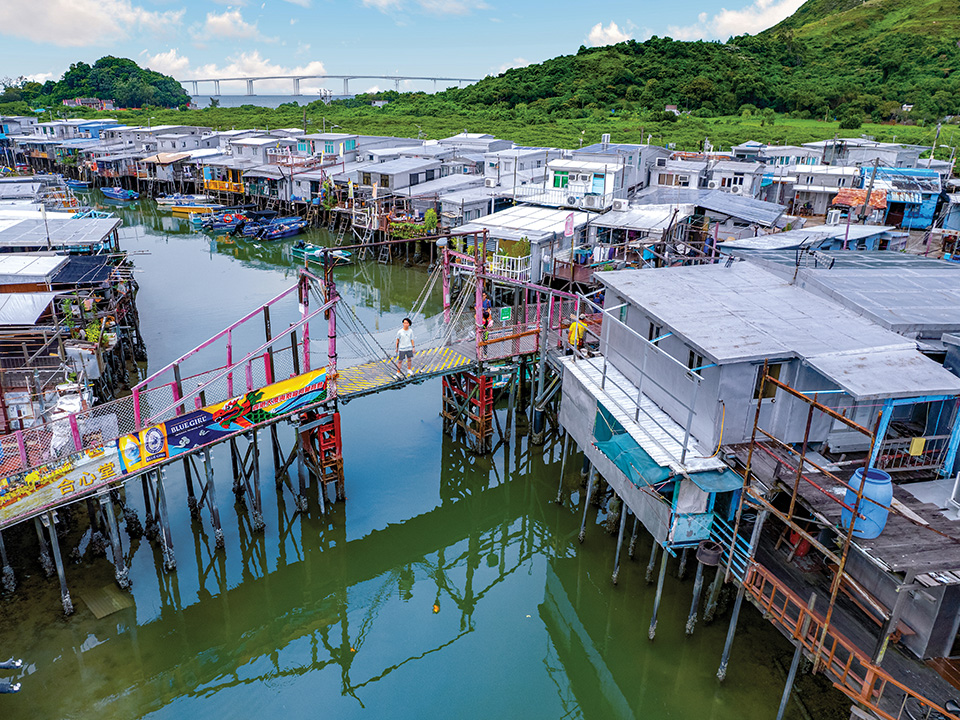
Tai O is one of the clearest surviving examples of a very different Hong Kong.
The village developed around fishing and waterways, with stilt houses forming a distinctive settlement pattern over the water.
Its landscape is inseparable from maritime life.
Boats.
Tidal channels.
Fish processing.
Markets.
Religious traditions.
Waterfront homes.
Today, some of this economy has declined and tourism has become increasingly important.
But the physical landscape still preserves a connection to Hong Kong's maritime past.
Tai O therefore raises a larger question:
What happens when an economic landscape survives after the economy that created it begins to disappear?
That question makes Tai O far more than a picturesque destination.
It becomes a case study in cultural survival.
Explore Further
→ Your Tai O historical story
→ Commercial Hong Kong Theme Pillar
→ Sacred Hong Kong Theme Pillar
→ Living / maritime culture stories
5. Kowloon Walled City — When a Political Anomaly Became a City
The Most Extreme Example of Hidden Urban Hong Kong
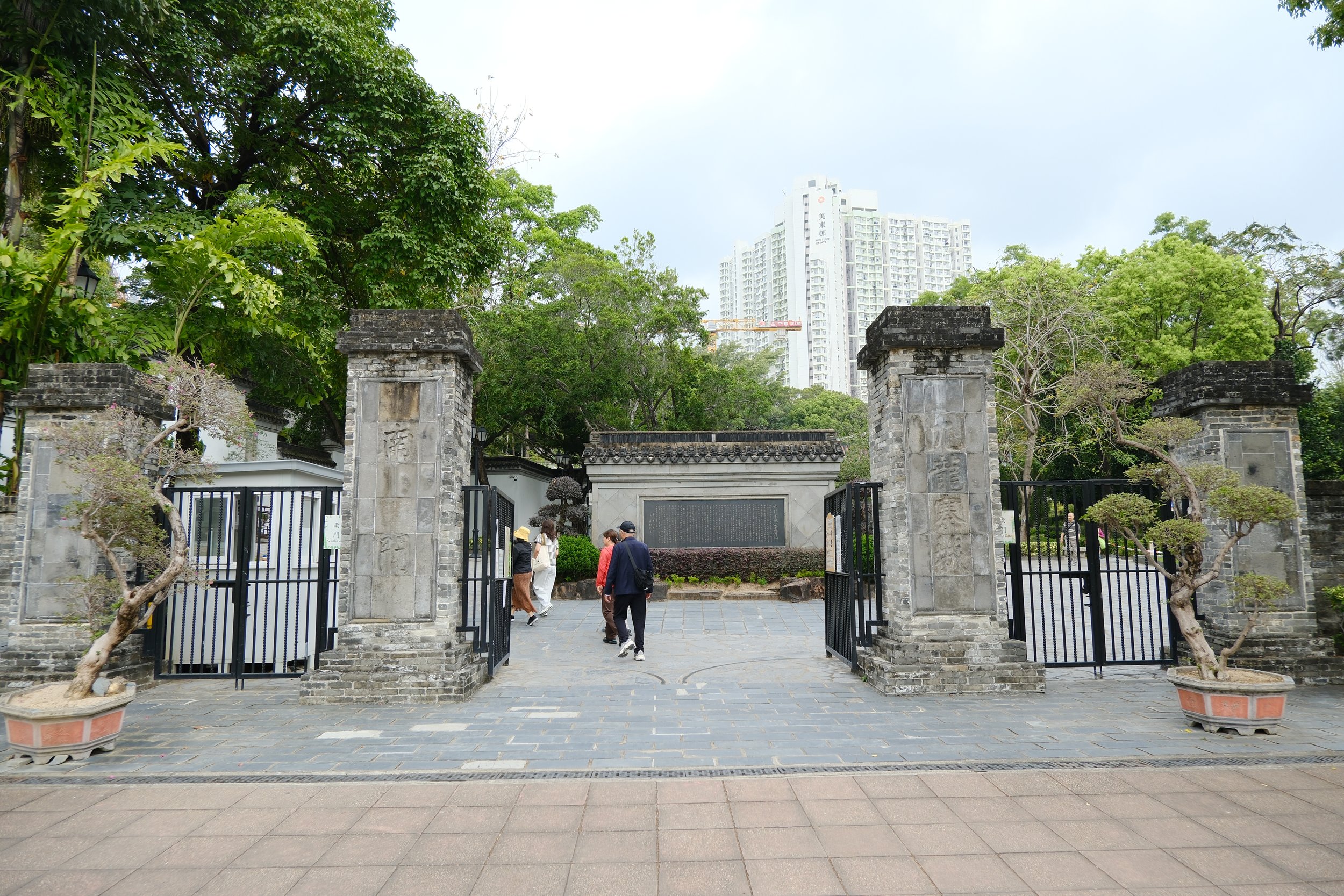
Few places illustrate Hong Kong's complicated relationship with authority better than Kowloon Walled City.
The Walled City began as a Qing military garrison in 1847. The Antiquities and Monuments Office identifies it as a coastal-defence outpost whose original walls incorporated watchtowers and gateways. (amo.gov.hk)
Its political position became increasingly unusual after the British expansion into Kowloon and the New Territories.
After the Second World War, population increased dramatically.
High-rise buildings were constructed within its boundaries.
Because of its exceptional political and administrative circumstances, the Walled City developed into an extraordinarily dense urban environment.
It became famous.
Then it disappeared.
In 1994, demolition was completed and the site was transformed into Kowloon Walled City Park. The original South Gate remains preserved, along with the former Yamen building. (amo.gov.hk)
The site therefore contains several overlapping histories:
Qing defence → colonial ambiguity → postwar migration → extreme urban density → heritage preservation
Today, the Yamen and South Gate are declared monuments, and the park's exhibition A City of Thousand Faces presents the history of the vanished settlement. (lcsd.gov.hk)
Kowloon Walled City is therefore not simply a story about a strange place.
It is a story about what happens when political boundaries, population pressure and urban development collide.
Explore Further
→ Kowloon Walled City historical story
→ Colonial Hong Kong Theme Pillar
→ Modern Hong Kong Theme Pillar
6. The Forgotten Industrial Hong Kong
The Factories That Built the Global City
Hong Kong's international image is dominated by finance.
But before the finance economy became dominant, Hong Kong was a major manufacturing centre.
Factories filled districts such as:
- Sham Shui Po
- Cheung Sha Wan
- Kwun Tong
- Tsuen Wan
- Kwai Chung
Textiles.
Garments.
Plastics.
Electronics.
Shipbuilding.
Light manufacturing.
Millions of workers supported the transformation.
Many factories later closed, moved across the border or were converted into different forms of commercial and creative space.
The physical industrial landscape therefore became increasingly difficult to see.
Yet it explains much of Hong Kong's postwar economic history.
The old factory buildings are therefore not merely architectural curiosities.
They are monuments to the labour economy that financed Hong Kong's next transformation.
Explore Further
→ Sham Shui Po historical stories
→ Kwun Tong historical stories
→ Modern Hong Kong Theme Pillar
→ Commercial Hong Kong Theme Pillar
7. Sham Shui Po — The City From Below
Migration, Hawkers, Factories and Survival
Sham Shui Po provides perhaps the clearest alternative to Hong Kong's financial-city image.
The district became a major destination for migrants and developed a dense working-class commercial culture.
Street markets and hawkers were essential parts of everyday life.
The Government Records Service's historical photographs include a 1957 view of the Sham Shui Po hawker market, documenting the importance of street-level commerce in postwar Hong Kong. (grs.gov.hk)
Behind this commercial landscape was another story:
survival through small-scale enterprise.
Families rented small units.
Workers lived close to factories.
Markets supplied nearby communities.
Hawkers filled gaps in formal retail systems.
This was not the glamorous Hong Kong of international finance.
But it was one of the places where the modern Hong Kong economy was actually built.
Explore Further
→ Sham Shui Po stories
→ Commercial Hong Kong Theme Pillar
→ Modern Hong Kong Theme Pillar
8. Cheung Chau — An Island Economy Behind the Tourist Image
Fishing, Ritual and Maritime Community
Cheung Chau is often introduced through beaches, bicycles and the Bun Festival.
But its deeper history lies in its relationship with the sea.
The island developed as a maritime community shaped by:
- Fishing
- Boatbuilding
- Trade
- Religious traditions
- Seasonal movement
- Community institutions
The harbour is therefore not simply scenic.
It is the physical centre of the island's historical economy.
The island's religious traditions also demonstrate how maritime communities used ritual to create protection and identity.
Cheung Chau is a strong example of Hidden Hong Kong because its modern tourism image can easily obscure its older economic life.
Explore Further
→ Cheung Chau historical stories
→ Sacred Hong Kong Theme Pillar
→ Commercial Hong Kong Theme Pillar
9. Old Villages — Hong Kong Before the Towers
Clan, Ancestry and the Rural City
The New Territories preserve another form of hidden history.
Villages were organized around:
- Lineage
- Ancestral halls
- Temples
- Walled settlements
- Agricultural land
- Mutual obligations
The built environment reflects these social structures.
An ancestral hall was not simply a historic building.
It represented lineage.
A village gate could define territory.
A temple could protect a community.
A pond could support agriculture.
A field could represent generations of inherited land.
When modern development surrounds these places, their historical meaning can become difficult to see.
Hidden Hong Kong therefore requires us to read villages as social landscapes rather than architectural attractions.
Explore Further
→ Tuen Mun
→ Yuen Long
→ Ping Shan
→ Fanling
→ Colonial Hong Kong Theme Pillar
→ Sacred Hong Kong Theme Pillar
10. Hidden Military Hong Kong
The Strategic Landscape Behind the Tourist City
Hong Kong's strategic location made military infrastructure important long before it became a financial centre.
Coastal batteries.
Fortifications.
Barracks.
Defensive lines.
Lookout positions.
During the twentieth century, the territory became part of a much larger military landscape.
Many sites are now hidden by vegetation, redevelopment or changing land use.
Others survive as heritage sites.
These places reveal another side of Hong Kong:
the territory was not merely a commercial asset; it was also a strategic position.
Explore Further
→ Hong Kong military history
→ Colonial Hong Kong Theme Pillar
→ Deep Water Bay / military-history stories
11. Hidden Religious Hong Kong
Temples Beyond the Famous Landmarks
Hong Kong's most famous temples attract millions of visitors.
But the smaller ones can reveal more about local history.
A village temple may preserve:
- A clan's identity
- A local deity
- A historical migration
- A fishing tradition
- A community festival
A temple can also reveal how geography shaped belief.
Coastal communities often developed strong maritime religious traditions.
Village communities developed local protective traditions.
Urban neighbourhoods developed temples tied to occupations, migration and social networks.
This is why Sacred Hong Kong and Hidden Hong Kong overlap so strongly.
The temple is visible.
Its community history is often hidden.
Explore Further
→ Sacred Hong Kong Theme Pillar
→ Your temple and village stories
12. The Vanished Harbour
What Happened to the Waterfront Before the Skyscrapers?
One of Hong Kong's greatest hidden histories is its changing shoreline.
The harbour that visitors see today is not the same physical harbour that existed in the nineteenth century.
Reclamation repeatedly expanded the urban footprint.
Areas that were once water became:
- Roads
- Railway sites
- Commercial districts
- Government land
- Residential areas
Historical photographs preserved by the Government Records Service allow the changing waterfront to be traced across decades. (grs.gov.hk)
This changes the way you should look at Hong Kong.
When standing in Central or Tsim Sha Tsui, ask:
Where was the shoreline?
The answer can reveal why the city developed as it did.
Explore Further
→ Commercial Hong Kong Theme Pillar
→ Colonial Hong Kong Theme Pillar
→ Victoria Harbour history
13. Hidden Hong Kong Is Also About Disappearance
The Places That Are No Longer There
A sophisticated understanding of hidden history must include absence.
Some places cannot be visited.
They exist only in:
- Maps
- Photographs
- Archives
- Newspapers
- Oral histories
- Archaeological evidence
Old factories disappear.
Villages are relocated.
Markets move.
Shorelines change.
Buildings are demolished.
Communities disperse.
Sometimes the most interesting historical question is:
What used to stand here?
This turns the entire city into an archaeological landscape.
The empty space becomes evidence.
14. What Happens When a Hidden Place Becomes Heritage?
Preservation Creates New Questions
A place can move through several stages:
ordinary → overlooked → threatened → preserved → celebrated → commercialized
This trajectory can be seen across Hong Kong.
An old building may once have been considered obsolete.
Then historians recognize its value.
The government protects it.
Tourists arrive.
Restaurants open.
The neighbourhood changes again.
Preservation therefore creates its own transformation.
The question is no longer simply:
Should we preserve it?
It becomes:
What exactly are we preserving—the building, the community, the memory, or the economic story?
That question is central to responsible historical tourism.
15. Hidden Hong Kong and the Problem of Nostalgia
The Past Was Not Always Beautiful
Historical tourism can easily romanticize old Hong Kong.
Old villages become picturesque.
Factories become Instagrammable.
Fishing boats become nostalgic.
Old streets become charming.
But historical communities were also shaped by:
- Poverty
- Disease
- Overcrowding
- Dangerous work
- Displacement
- Political uncertainty
- Environmental hardship
A serious historical travel story must preserve the complexity.
The past should not be made beautiful simply because it has disappeared.
Hidden Hong Kong becomes much more meaningful when it asks what life was actually like.
16. Hidden Hong Kong as a Counter-Map
Reading the Territory Against the Skyline
A conventional Hong Kong map highlights:
- MTR stations
- Shopping centres
- Hotels
- Financial districts
- Major tourist attractions
A historical map would show something else.
It would reveal:
- Former shorelines
- Old villages
- Clan settlements
- Fishing grounds
- Industrial districts
- Military sites
- Traditional markets
- Former railway routes
- Disappeared neighbourhoods
This is the Hidden Hong Kong counter-map.
It does not replace the conventional map.
It explains it.
17. Hidden Hong Kong Walking Routes
Route 1 — The Vanished City
Central → old shoreline → Sheung Wan → Western District
Historical focus:
reclamation, Chinese commerce, colonial administration and changing waterfronts.
→ Related pillars: Colonial + Commercial Hong Kong
Route 2 — The Working City
Sham Shui Po → Cheung Sha Wan → former industrial landscape
Historical focus:
migration, hawkers, factories, housing and working-class survival.
→ Related pillars: Commercial + Modern Hong Kong
Route 3 — The Forgotten New Territories
Tuen Mun → historic village landscapes → temple communities
Historical focus:
archaeology, clans, religion, rural settlement and new-town transformation.
→ Related pillars: Sacred + Colonial + Modern Hong Kong
Route 4 — Maritime Hong Kong
Tai O → waterfront communities → traditional fishing landscapes
Historical focus:
fishing, waterways, local religious life and economic transition.
→ Related pillars: Sacred + Commercial Hong Kong
Route 5 — Island Hong Kong
Cheung Chau → harbour → temple → old settlement areas
Historical focus:
maritime economy, community identity and the transition to tourism.
→ Related pillars: Sacred + Commercial + Living Hong Kong
18. What Hidden Hong Kong Reveals About the Territory
Hidden places tell us things famous landmarks often cannot.
They reveal:
- How ordinary people lived
- Where migrants settled
- How communities organized themselves
- How land was used before redevelopment
- How industries created neighbourhoods
- How religion supported communities
- What modernization destroyed
- What it unexpectedly preserved
A skyscraper tells us what Hong Kong became.
A village tells us what existed before it.
A factory tells us what powered its rise.
A temple tells us what communities believed.
A fishing harbour tells us how people survived from the sea.
A vanished shoreline tells us how the city physically expanded.
Together, these stories create a fuller history.
19. Why Hidden Hong Kong Matters
The value of Hidden Hong Kong is not that it takes visitors away from the tourist trail.
Its value is that it changes how visitors interpret the entire territory.
Once you understand the old shoreline, Central looks different.
Once you understand postwar migration, Sham Shui Po looks different.
Once you understand village society, the New Territories look different.
Once you understand maritime communities, the islands look different.
Once you understand industrialization, Hong Kong's economic history becomes more complete.
Hidden Hong Kong therefore changes the meaning of the visible city.
Final Reflection — The Hong Kong That Refused to Disappear
Hong Kong has always been a city of movement.
Land moved through reclamation.
Factories moved across borders.
People moved between villages and cities.
Businesses moved from street markets to shopping centres.
Communities were displaced by redevelopment.
Old buildings disappeared.
New towns appeared.
And yet something remained.
A temple.
A village.
A market.
A fishing harbour.
A historic street.
A fragment of a former factory.
An old map.
A story remembered by a family.
These fragments matter because they remind us that the modern city was not created from nothing.
It was built from earlier Hong Kongs.
Some were deliberately preserved.
Some survived by accident.
Some disappeared almost completely.
And some survive only because somebody remembered them.
Hidden Hong Kong is therefore not the Hong Kong that tourists fail to find.
It is the Hong Kong that development failed to completely erase.
Historical Sources & Further Reading
For a research-led Hidden Hong Kong collection, prioritize:
Government and Official Archives
- Hong Kong Government Records Service
- Hong Kong Memory
- Antiquities and Monuments Office
- Hong Kong Museum of History
- Hong Kong Housing Authority
- Leisure and Cultural Services Department
The Government Records Service provides extensive historical photographs documenting Victoria Harbour, markets, hawkers, streets, buildings and postwar development. (grs.gov.hk)
The Antiquities and Monuments Office provides authoritative documentation of the former Kowloon Walled City's Yamen and South Gate, including archaeological discoveries made during demolition. (amo.gov.hk)
The Leisure and Cultural Services Department's Kowloon Walled City Park resources provide historical material and the A City of Thousand Faces exhibition, allowing the vanished settlement to be interpreted through surviving physical evidence. (lcsd.gov.hk)
Research Themes
For future Hidden Hong Kong articles, particularly valuable subjects include:
- Village and clan history
- Archaeology
- Fishing communities
- Industrial heritage
- Postwar migration
- Public housing
- Reclamation
- Military landscapes
- Informal urbanism
- Heritage preservation
- Oral history
- Disappearing neighbourhoods
For Lawrence Travel Stories, use contextual citations beside important historical claims and retain a consolidated Historical Sources & Further Reading section at the end.
Continue Exploring Hong Kong
HONG KONG — The Complete Authority Guide
→ Colonial Hong Kong — Empire, administration and the foundations of the modern city
 Lawrence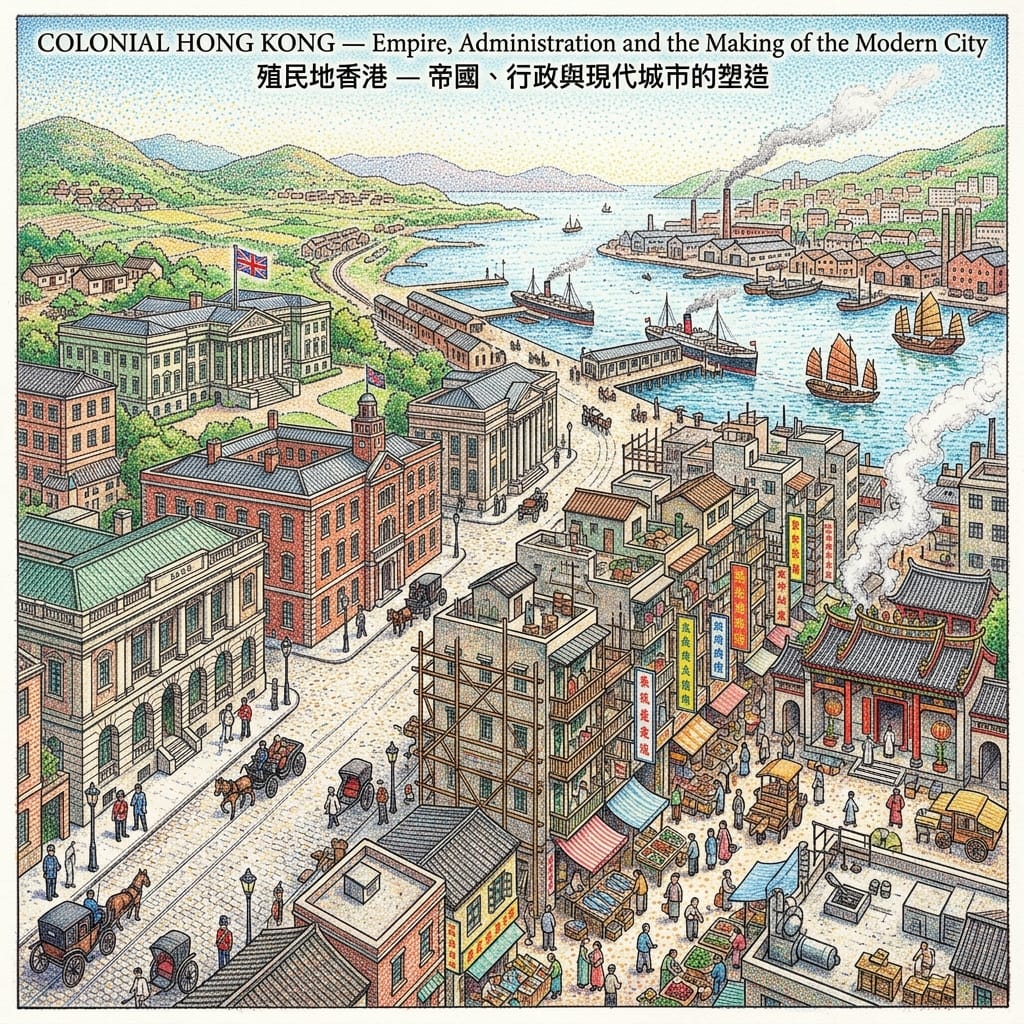
→ Sacred Hong Kong — Temples, belief and the spiritual landscape
 Lawrence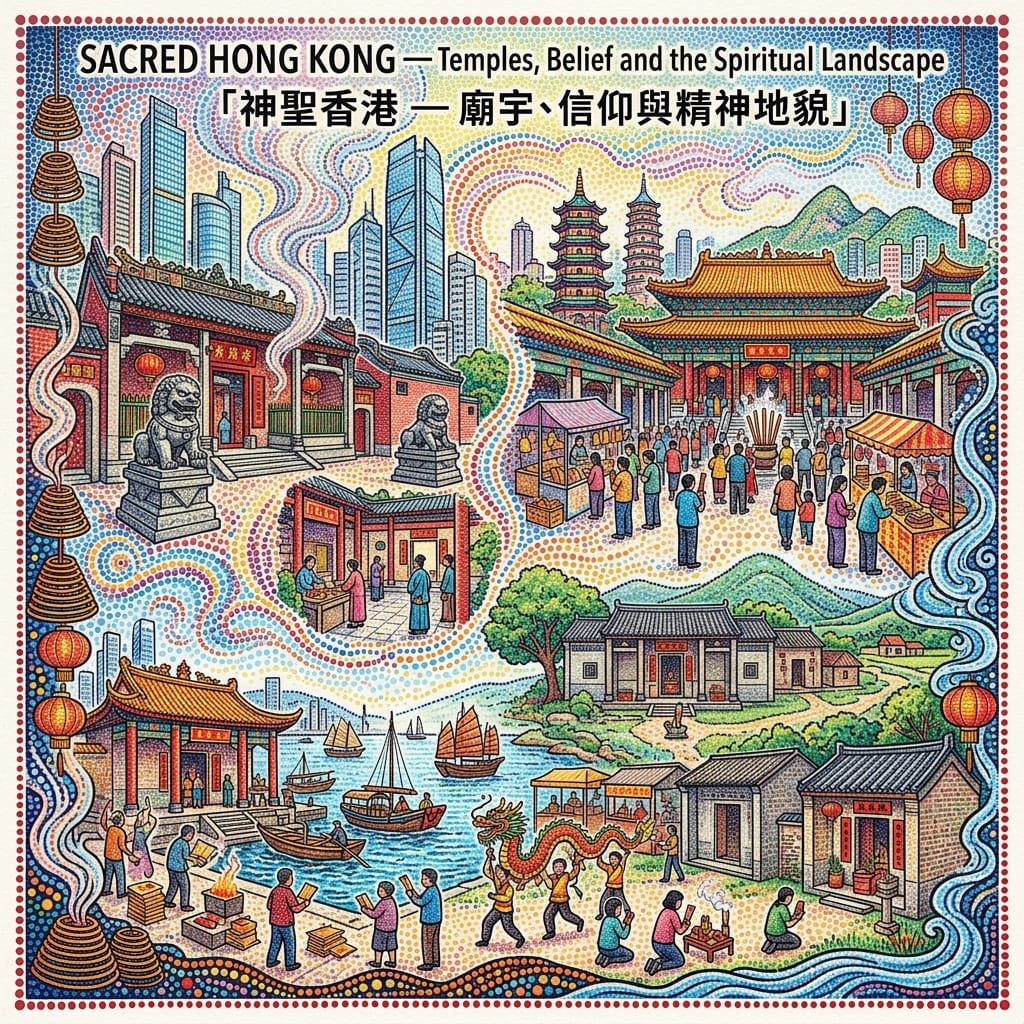
→ Commercial Hong Kong — Harbour, trade, markets and global capital
 Lawrence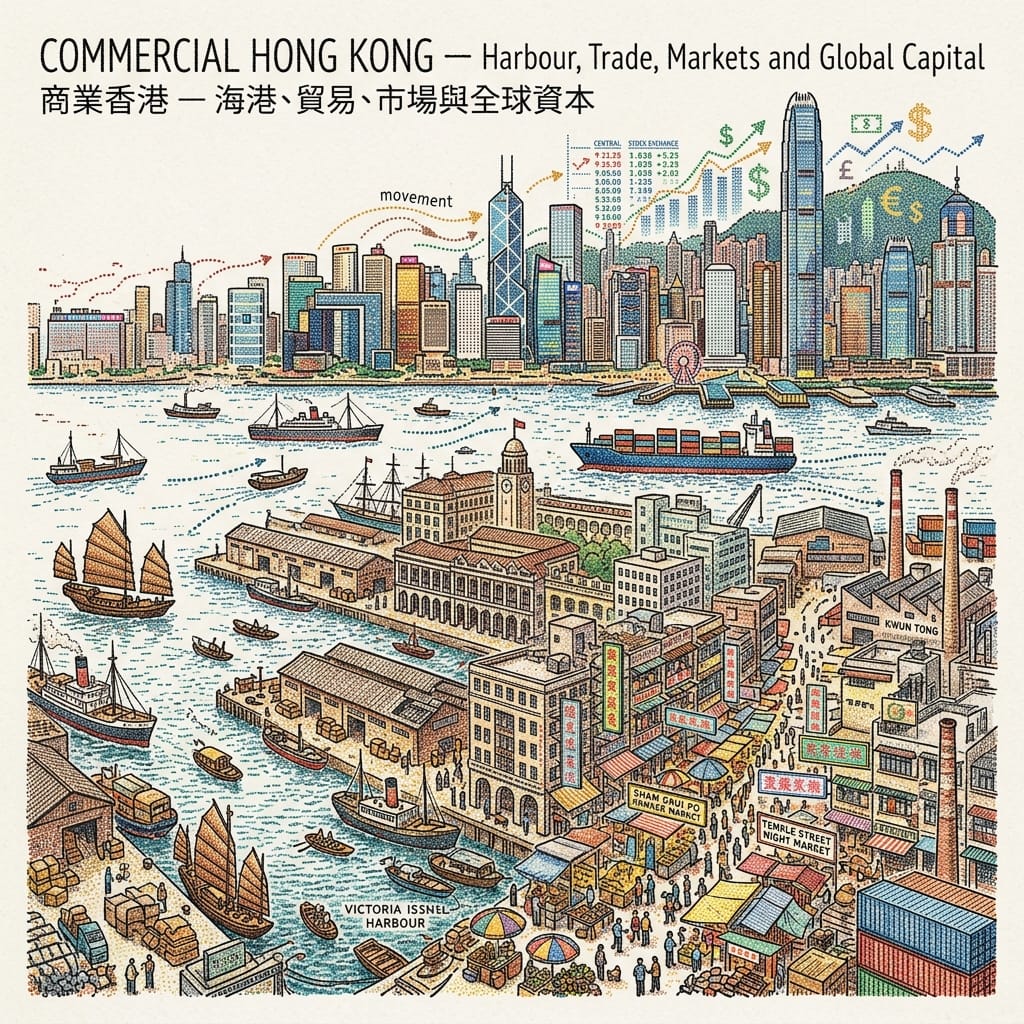
→ Modern Hong Kong — Migration, housing, infrastructure and reinvention
 Lawrence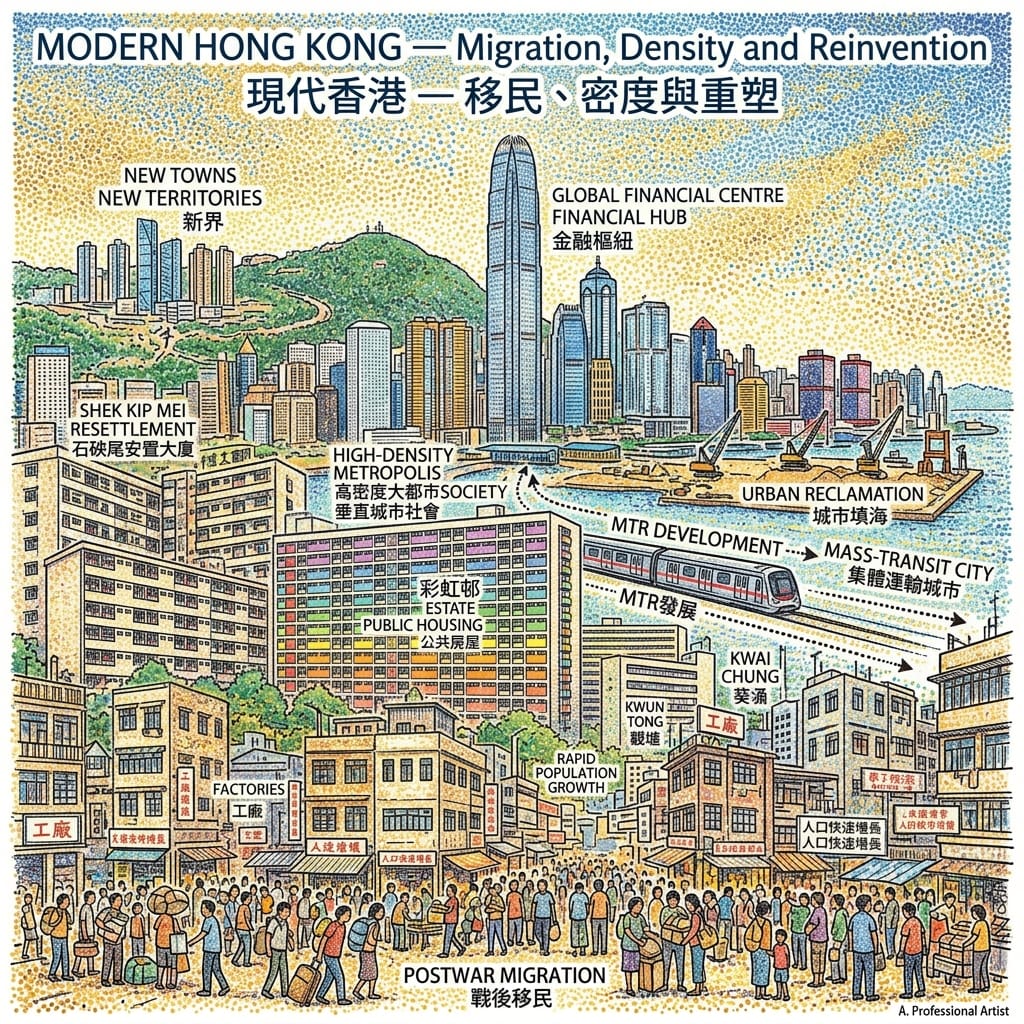
→ Hidden Hong Kong — Forgotten communities, surviving landscapes and the history beneath the skyline
 Lawrence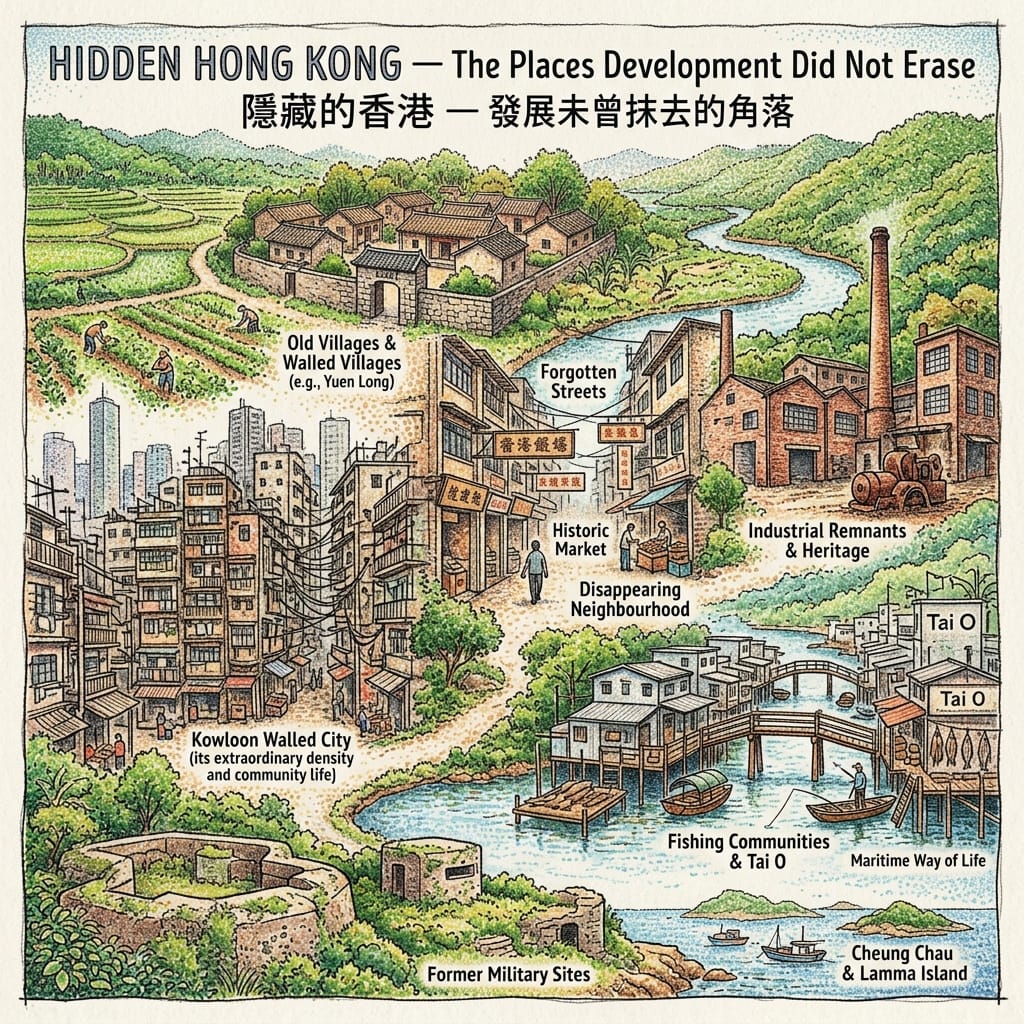
Hidden Hong Kong is not another category of Hong Kong.
It is the layer that reveals what happened to all the other Hong Kongs.
 Lawrence