
Hidden Tokyo 隱密東京
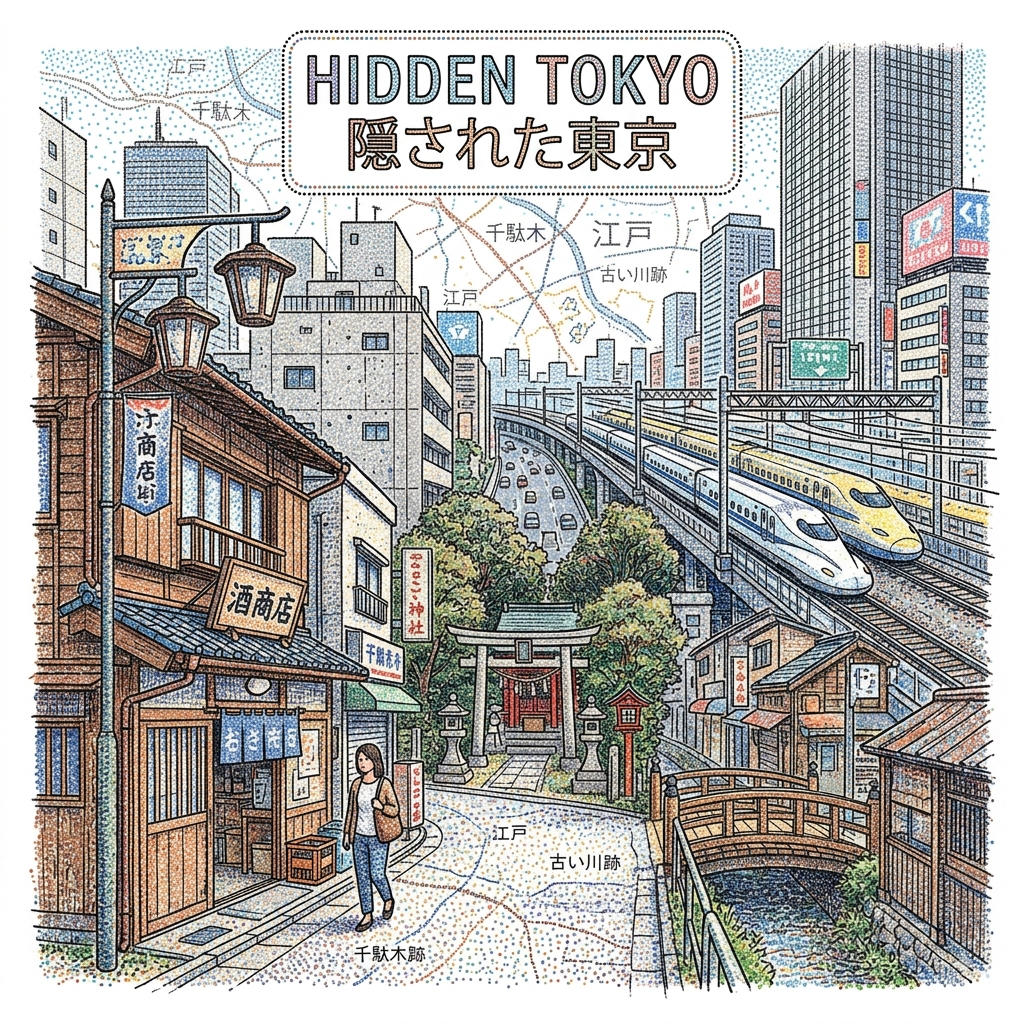
Tokyo feels hyper-modern. But beneath the neon skyline exists another city: Lost samurai compounds Buried rivers Forgotten pleasure quarters Small shrines hidden between skyscrapers Industrial neighborhoods tourists rarely enter Hidden Tokyo is not about secrecy.
The following classification method pertains to the administrative divisions of "Tokyo Prefecture" during the period spanning the late Meiji era to the early Showa era (1896–1932). Let us now step into history together💕
以下這種分類方法,屬於治時代末期至昭和時代初期(西元 1896 年至 1932 年)的「東京府」行政區。讓我們現在一起走進歷史💕
 Lawrence
 Lawrence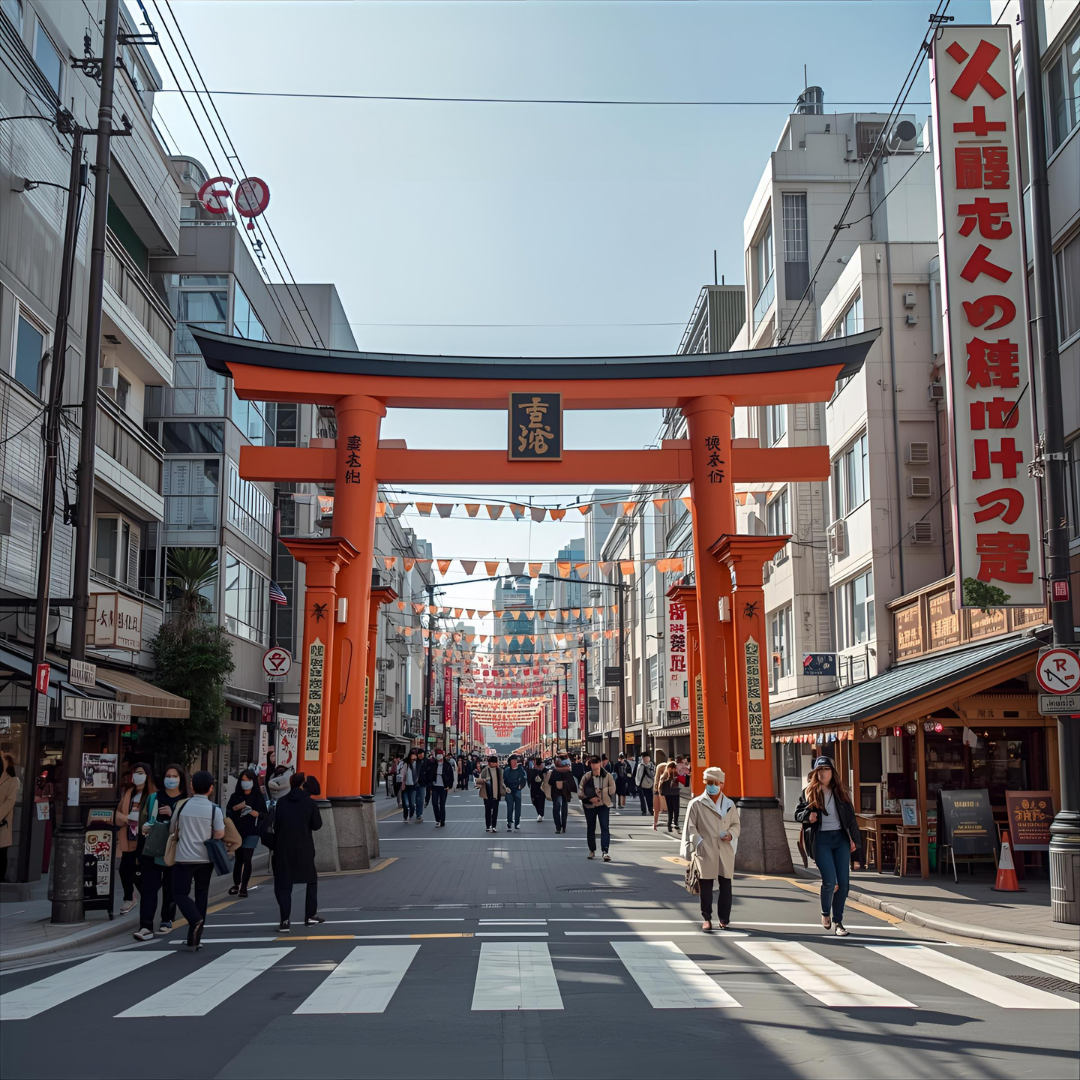
 Lawrence
 Lawrence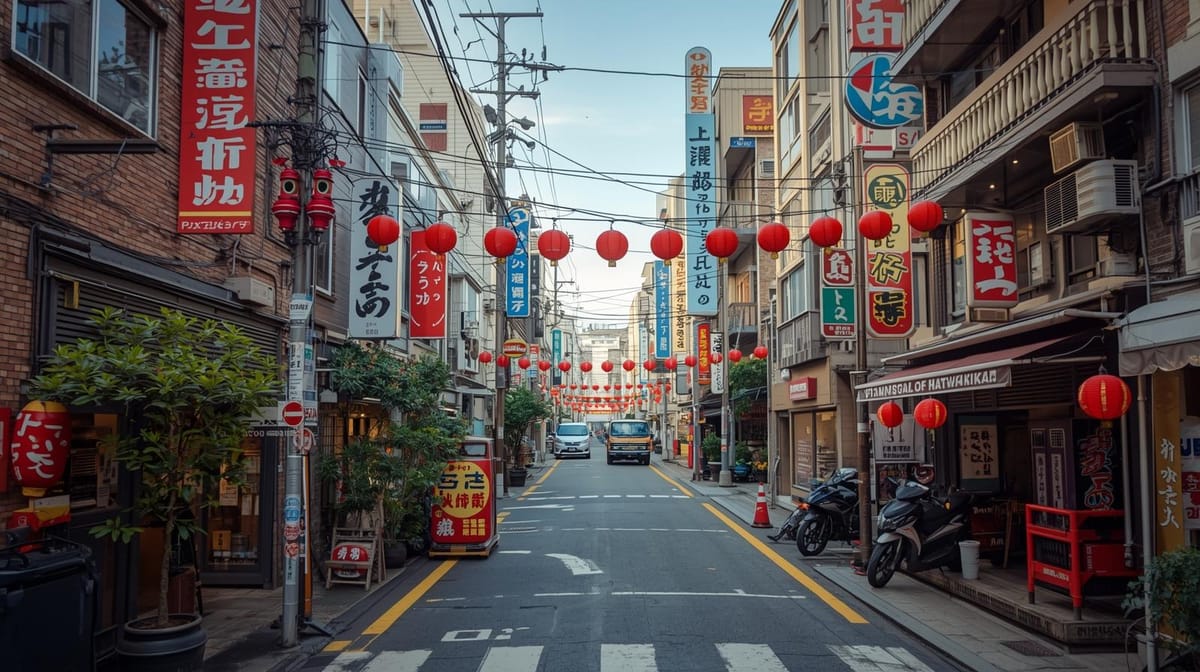
 Lawrence
Hidden Tokyo is strategically powerful because:
- It captures high-volume search intent (“hidden Tokyo”, “hidden gems in Tokyo”)
- It connects Sacred, Feudal, Commercial, and Modern pillars
- It allows you to absorb orphan district stories
- It builds experiential depth beyond mainstream tourism
But it must not become a generic “hidden gems listicle.”
It must be positioned as:
The Invisible Layers Beneath the Megacity
Hidden Tokyo — The Invisible Layers Beneath the Megacity
Hidden Tokyo — What Lies Beneath the Surface
Tokyo feels hyper-modern.
But beneath the neon skyline exists another city:
- Lost samurai compounds
- Buried rivers
- Forgotten pleasure quarters
- Small shrines hidden between skyscrapers
- Industrial neighborhoods tourists rarely enter
Hidden Tokyo is not about secrecy.
It is about layers.
This pillar reveals the parts of Tokyo that survived invisibly.
I. The Ghost of Edo — What the Map No Longer Shows
Lost Rivers and Buried Canals


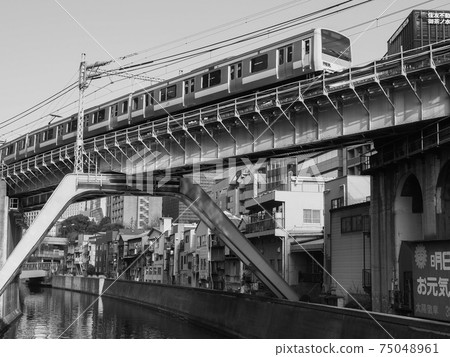
Edo was once a water city.
Canals connected warehouses, markets, and merchant districts.
Today, many waterways are:
- Covered
- Redirected underground
- Replaced by highways
Yet their influence remains in street layouts and neighborhood identities.
Hidden Tokyo begins beneath the pavement.
Internal links to include:
- Commercial Tokyo Pillar
- Nihonbashi article
- Urban planning article
II. Yanaka — The District That Time Forgot
A Neighborhood That Survived War
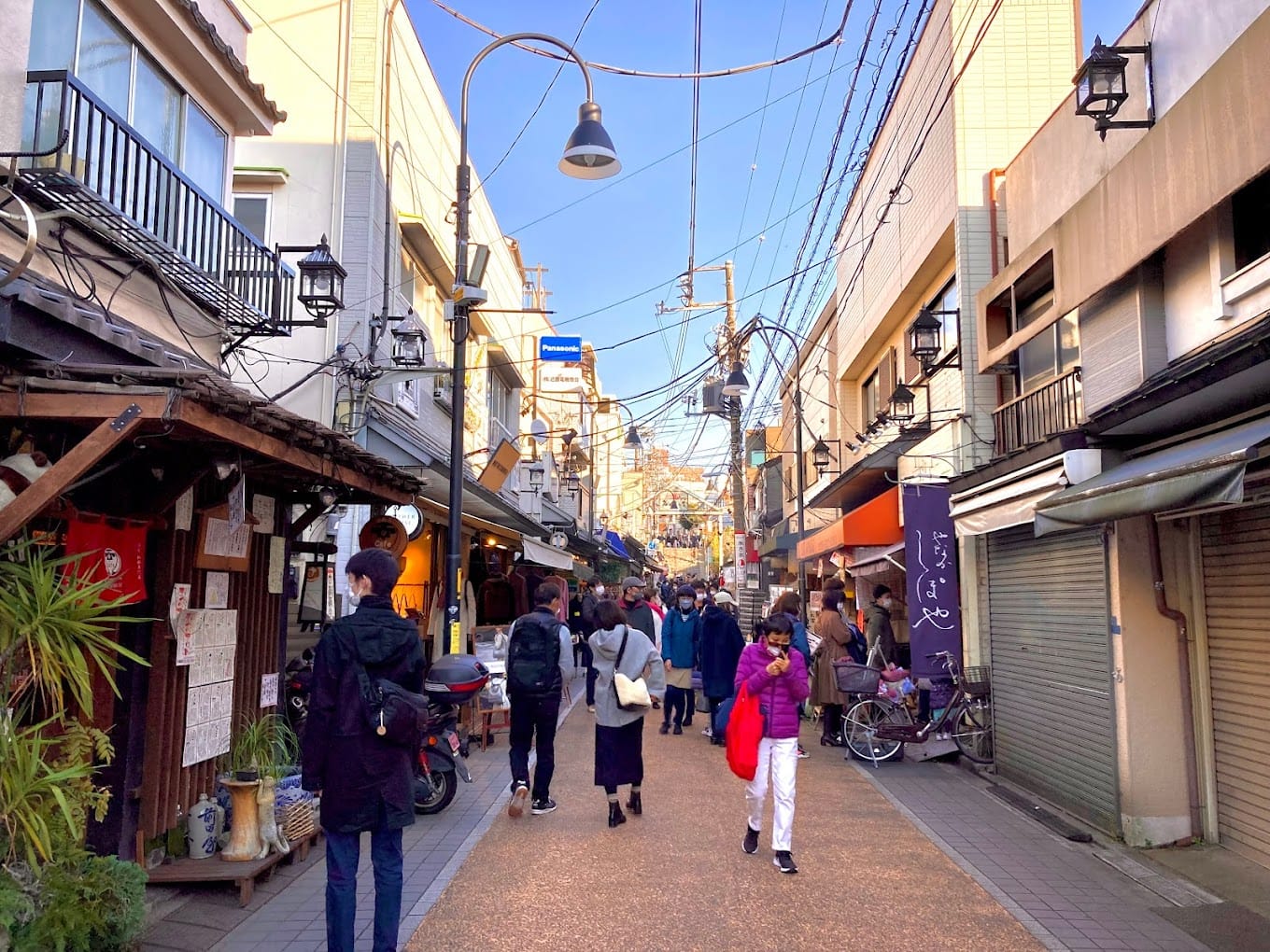

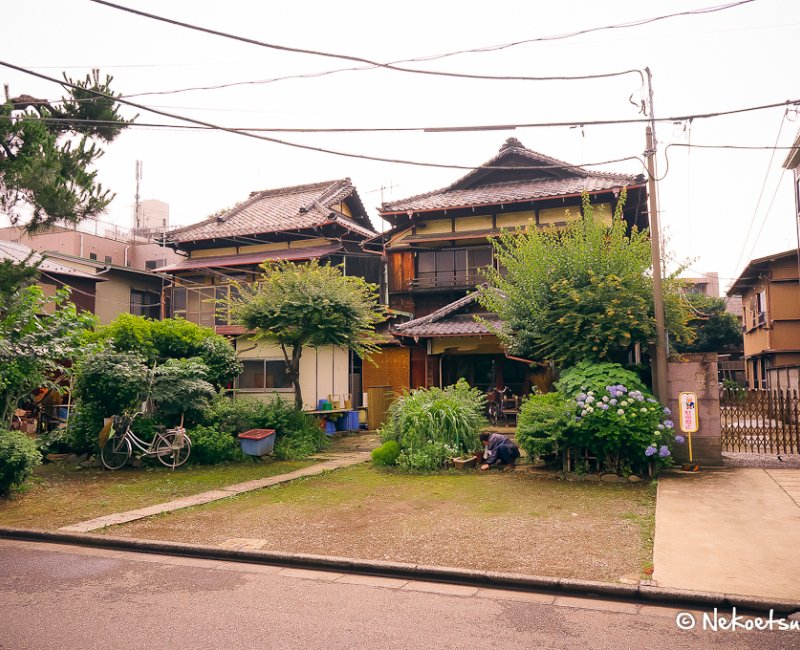
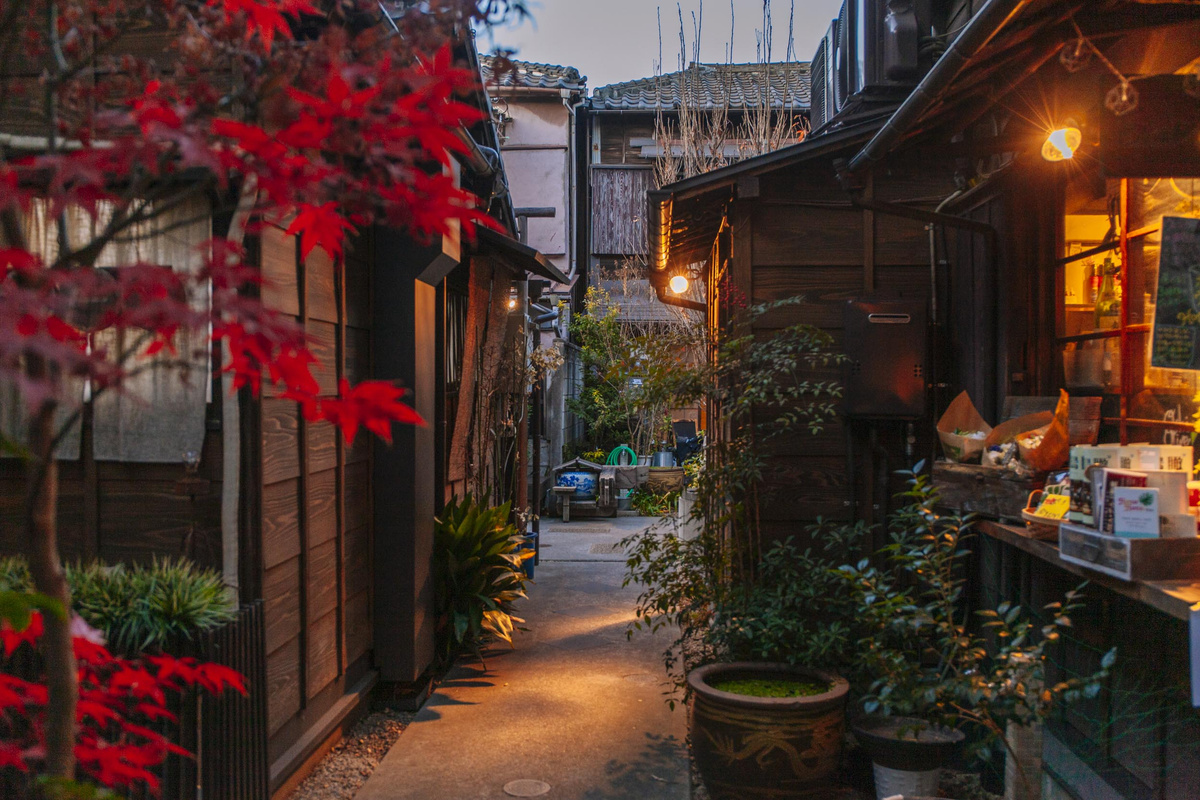
Unlike central Tokyo, Yanaka survived:
- The 1923 earthquake
- The 1945 firebombing
It preserves:
- Wooden houses
- Temple clusters
- Prewar alleyways
Yanaka is not curated nostalgia.
It is accidental survival.
Internal links:
- Sacred Tokyo Pillar
- Modern Tokyo Pillar
- Yanaka district article
III. Kagurazaka — The Hidden Geisha Quarter
Where Commerce Met Secrecy
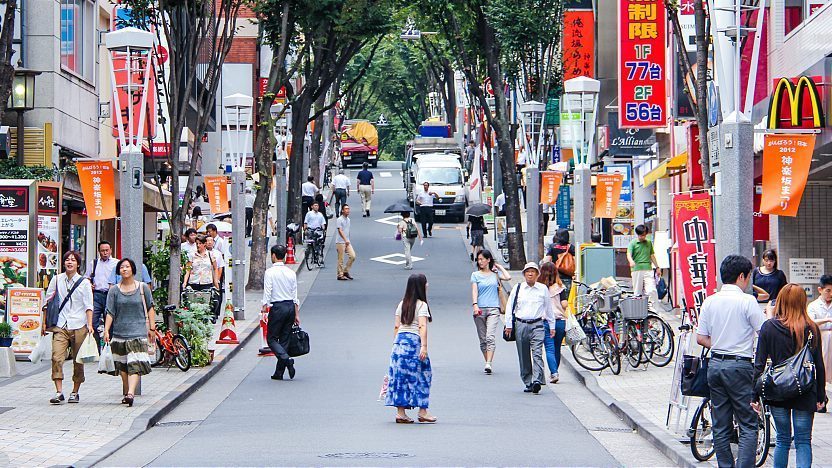


Kagurazaka once flourished as:
- A geisha entertainment district
- A merchant social zone
- A cultural hybrid space
Behind modern storefronts remain narrow stone alleys that still echo Edo-era social life.
Hidden Tokyo is often just one turn away from the main road.
Internal links:
IV. Shimokitazawa — Subculture and Postwar Reinvention
The Anti-Ginza


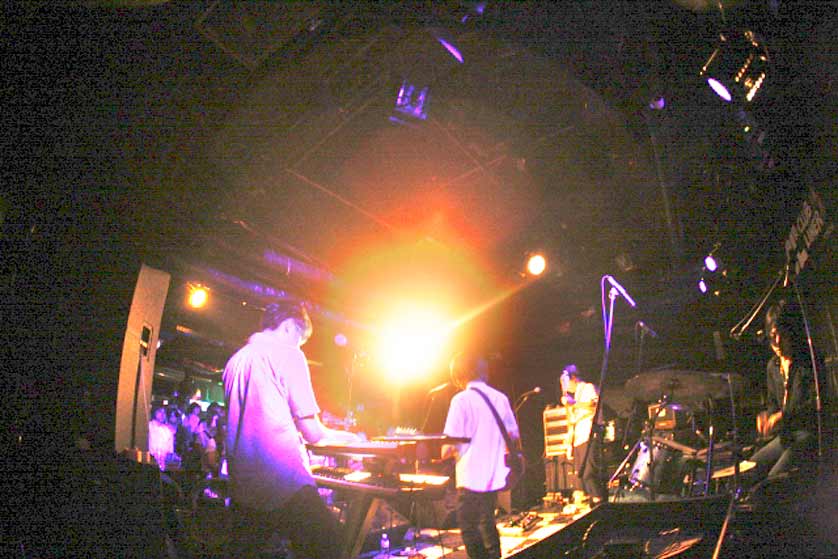
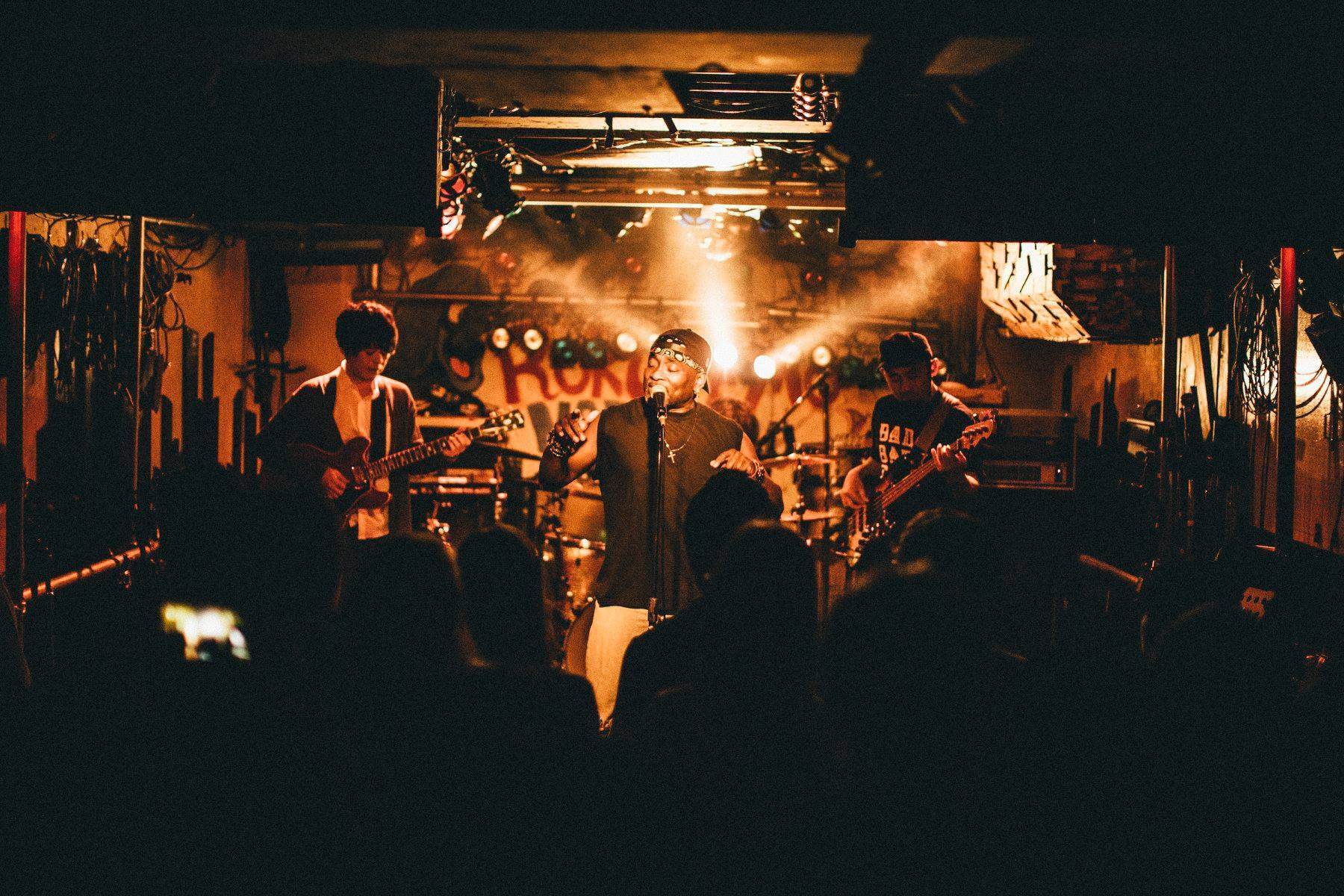
While Ginza represents elite commercial culture, Shimokitazawa represents:
- Indie retail
- Vintage markets
- Live music subculture
This district grew organically in the postwar period, resisting corporate uniformity.
Hidden Tokyo includes modern countercultures.
Internal links:
V. Secret Shrines Between Skyscrapers
Sacred Fragments in Corporate Districts
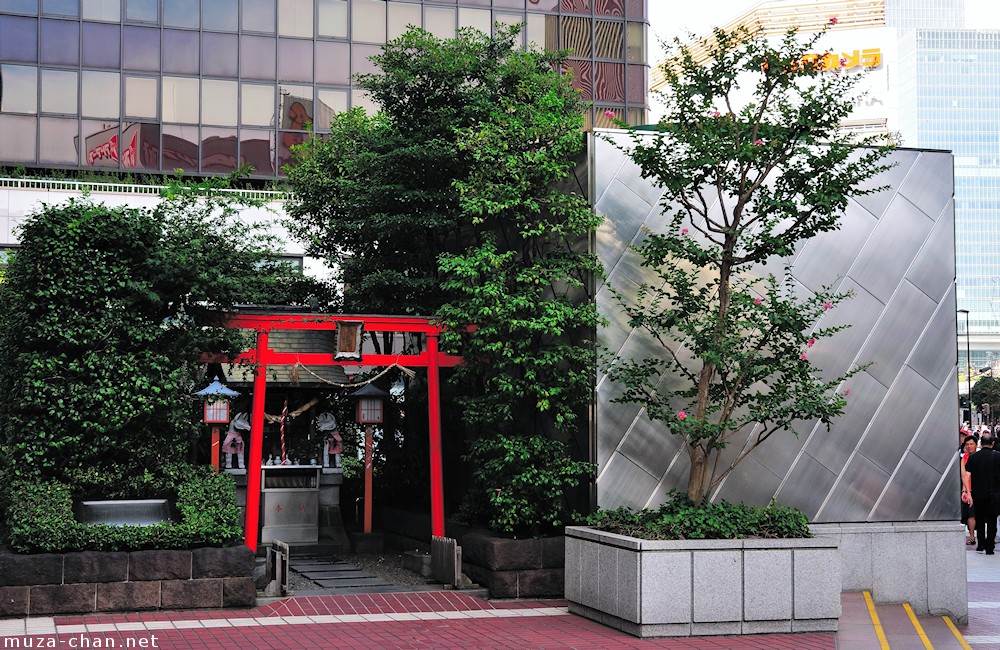
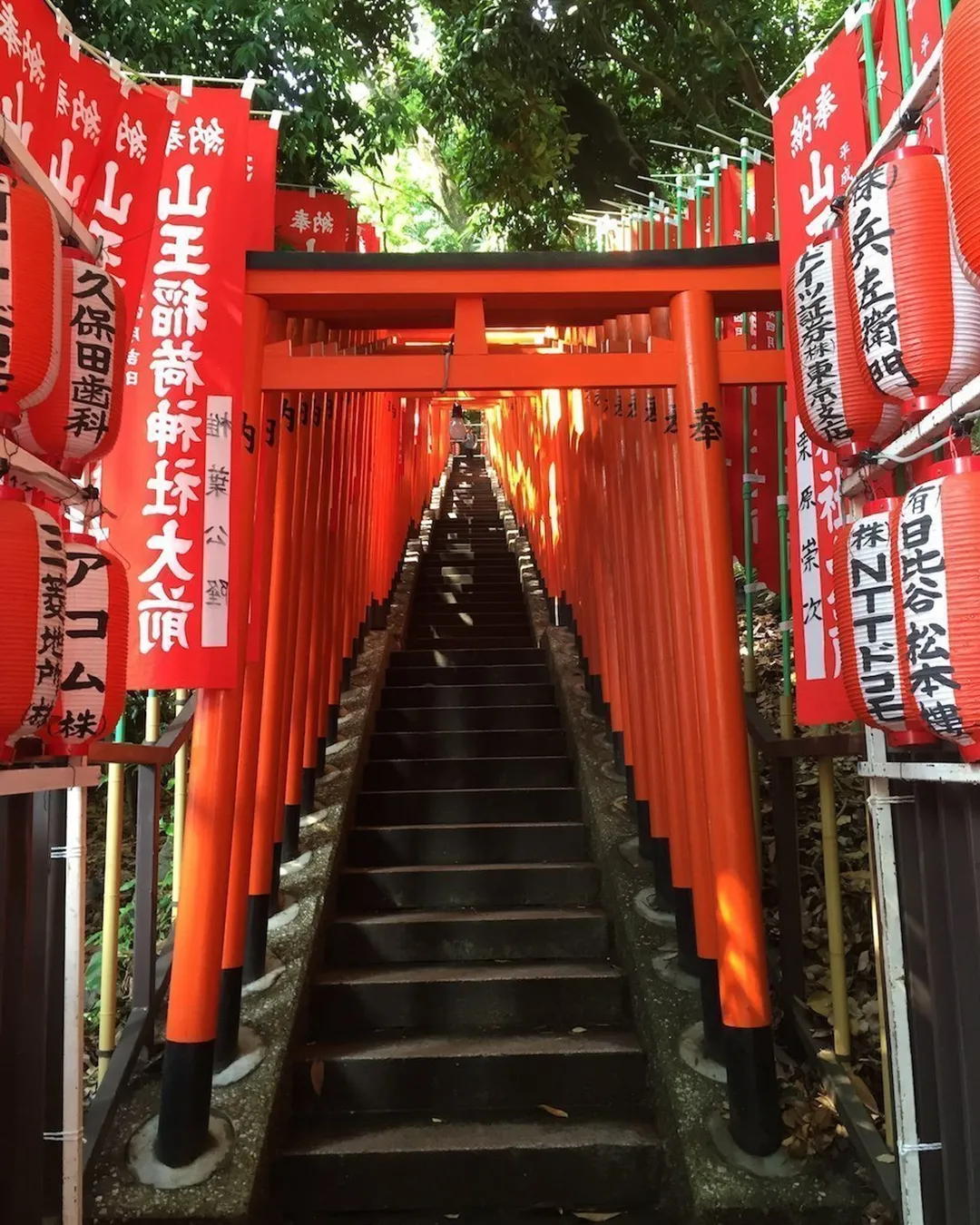
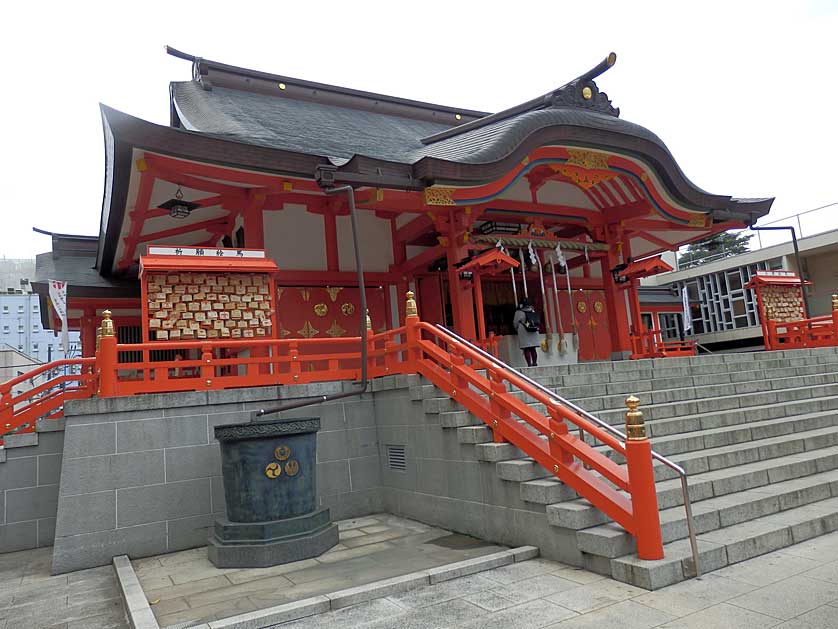
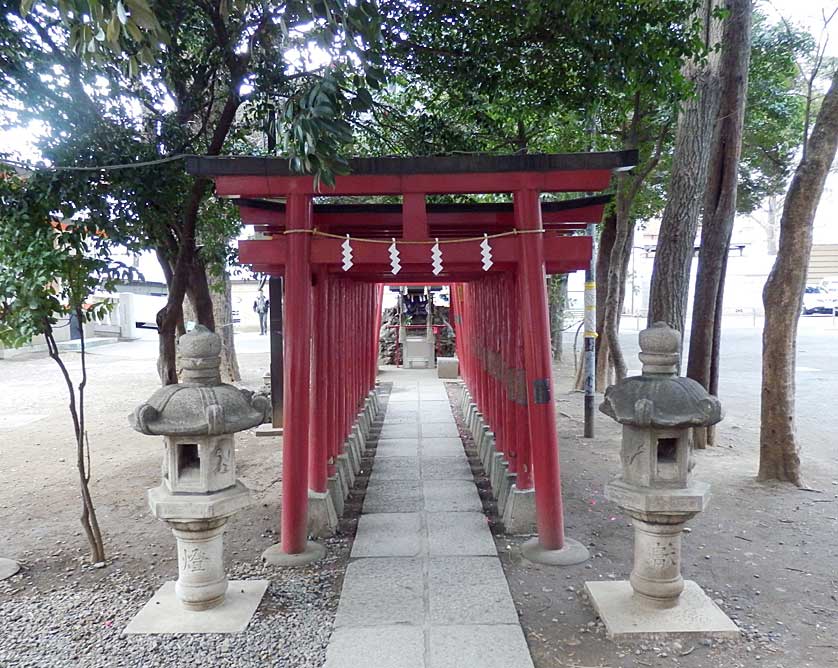
Throughout central Tokyo, small shrines remain hidden between office towers.
These sites reveal:
- Spiritual continuity
- Land memory
- Corporate-era coexistence
Even in finance districts, Sacred Tokyo survives quietly.
Internal links:
- Sacred Tokyo Pillar
- Hie Shrine article
VI. Industrial Tokyo — The Overlooked Waterfront
Warehouses, Docklands and Urban Edge


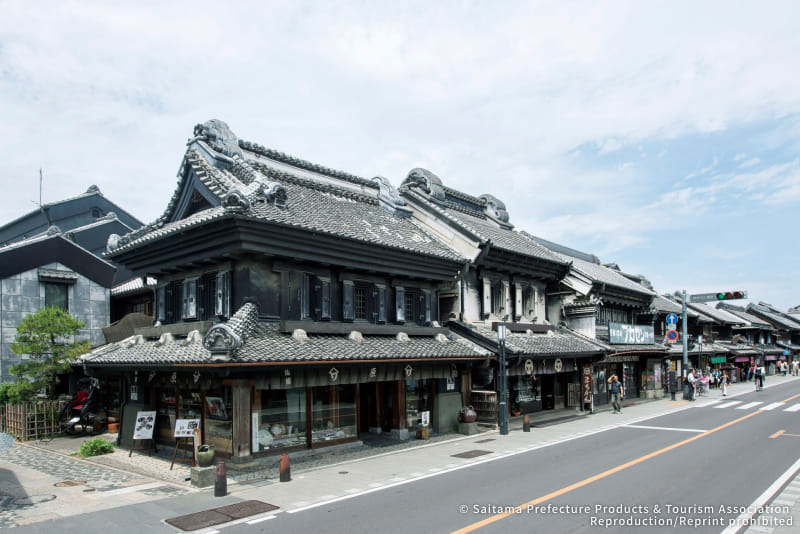
Before luxury waterfront redevelopment, Tokyo’s bay area was:
- Shipping terminals
- Factories
- Logistics hubs
These areas powered the city’s growth but rarely appear in travel guides.
Hidden Tokyo includes infrastructure.
Internal links:
- Working Tokyo Pillar
- Commercial Tokyo Pillar
VII. Hidden Tokyo Itineraries
Old Tokyo Survival Route:
Yanaka → Nezu → Ueno backstreets
Cultural Alley Route:
Kagurazaka → Jimbocho → Kanda
Subculture Route:
Shimokitazawa → Koenji → Nakano
This section increases:
- Long-tail keyword capture
- Engagement time
- Conversion potential
VIII. Why Hidden Tokyo Matters
Tokyo’s power is not only in scale.
It is in survival.
Between wars, earthquakes, and redevelopment, fragments endured.
Hidden Tokyo reveals:
- What modernization erased
- What survived quietly
- What resists uniformity
Understanding Tokyo requires looking beyond its skyline.