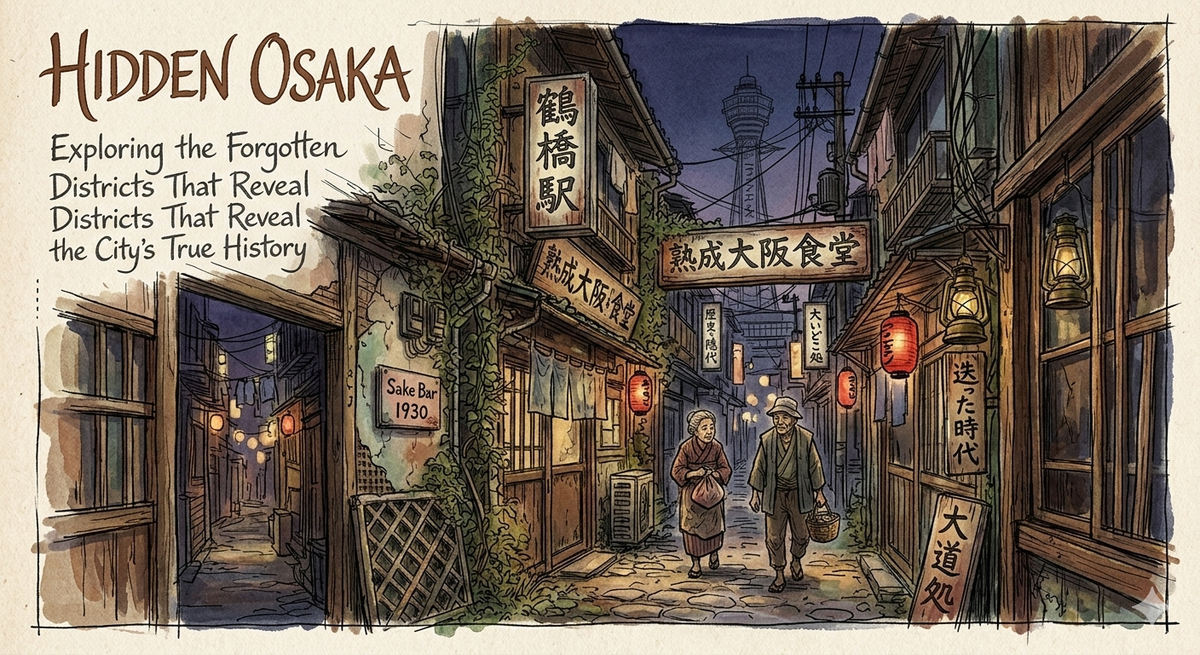
Each district reveals unique aspects of Osaka’s hidden historical landscape.
Most visitors experience Osaka through its most famous districts — Dotonbori, Shinsaibashi, and Osaka Castle. Yet these iconic locations represent only the visible surface of a much deeper historical landscape. Beneath Osaka’s modern skyline lies a network of forgotten districts, overlooked neighborhoods, and hidden urban spaces that preserve the city’s most revealing historical stories.
These lesser-known districts provide essential insight into how Osaka truly evolved. While major commercial centers reflect wealth and prosperity, hidden districts reveal the social, economic, and cultural forces that sustained the city through periods of transformation, crisis, and reinvention.
To understand Osaka completely, it is necessary to explore not only its famous landmarks but also the quieter areas where its deeper historical processes unfolded. These hidden districts expose the foundations upon which modern Osaka was built.
Hidden Osaka refers to districts that played important historical roles but remain largely overlooked in modern tourism narratives. These areas may lack large monuments or global recognition, yet they preserve critical layers of the city’s historical development.
These districts often include:
Former labor communities
Secondary merchant streets
Transportation corridors
Industrial neighborhoods
Transitional urban zones
Unlike major commercial centers, these areas reveal the operational mechanics of the city — where goods were moved, workers lived, and urban systems functioned behind the scenes.
Hidden Merchant Districts: The Secondary Commercial Network
While districts such as Dotonbori and Shinsaibashi formed Osaka’s primary commercial centers, secondary merchant districts supported their operation.
These smaller commercial streets housed wholesalers, storage facilities, and specialized traders. They formed the logistical backbone of Osaka’s merchant economy, enabling large-scale commercial activity to function efficiently.
Hidden Working-Class Districts: The Human Infrastructure of Osaka
Behind Osaka’s economic success were its working-class districts. Areas such as Shinsekai and Nishinari reveal the lives of laborers who built and maintained the city’s infrastructure.
These districts provided housing for industrial workers, transport laborers, and service providers. Their existence reflects the social foundation upon which Osaka’s merchant economy depended.
Learn more in the Working-Class Osaka historical guide.
Hidden Transportation Corridors: The Arteries of Urban Growth
Osaka’s economic success depended on its transportation networks. While major hubs such as Namba are widely recognized, smaller transport corridors played equally important roles.
These corridors connected warehouses, markets, and commercial districts, allowing goods to move efficiently throughout the city.
Transportation infrastructure shaped the physical structure of Osaka and determined patterns of urban development that remain visible today.
Hidden Religious Sites: Spiritual Anchors in Ordinary Districts
While major religious institutions such as Shitennoji Temple and Sumiyoshi Taisha Shrine are well known, smaller neighborhood temples and shrines also played crucial roles.
These local religious sites provided spiritual stability for working communities and supported local economic activity.
Explore the broader spiritual system in the Sacred Osaka historical guide.
Hidden Osaka and Urban Evolution
Hidden districts often preserve evidence of transitional phases in Osaka’s development. They reveal how the city adapted to changing economic conditions, technological advances, and social transformations.
Modern districts such as Umeda and Abeno were built upon earlier urban foundations that can still be traced in surrounding hidden areas.
Explore this transformation in the Modern Osaka historical guide.
Why Hidden Osaka Is Essential to Understanding the City
Famous landmarks reveal Osaka’s visible achievements. Hidden districts reveal the processes that made those achievements possible.
By exploring these areas, visitors can see Osaka not merely as a tourist destination, but as a living historical system shaped by centuries of economic, social, and cultural evolution.
Begin exploring Osaka’s hidden history through its individual district guides and thematic historical explorations.
Disclosure: This site uses affiliate links from Travelpayouts and Stay22. I may earn a commission on bookings at no extra cost to you.

 Lawrence
 Lawrence
 Lawrence
 Lawrence
 Lawrence
 Lawrence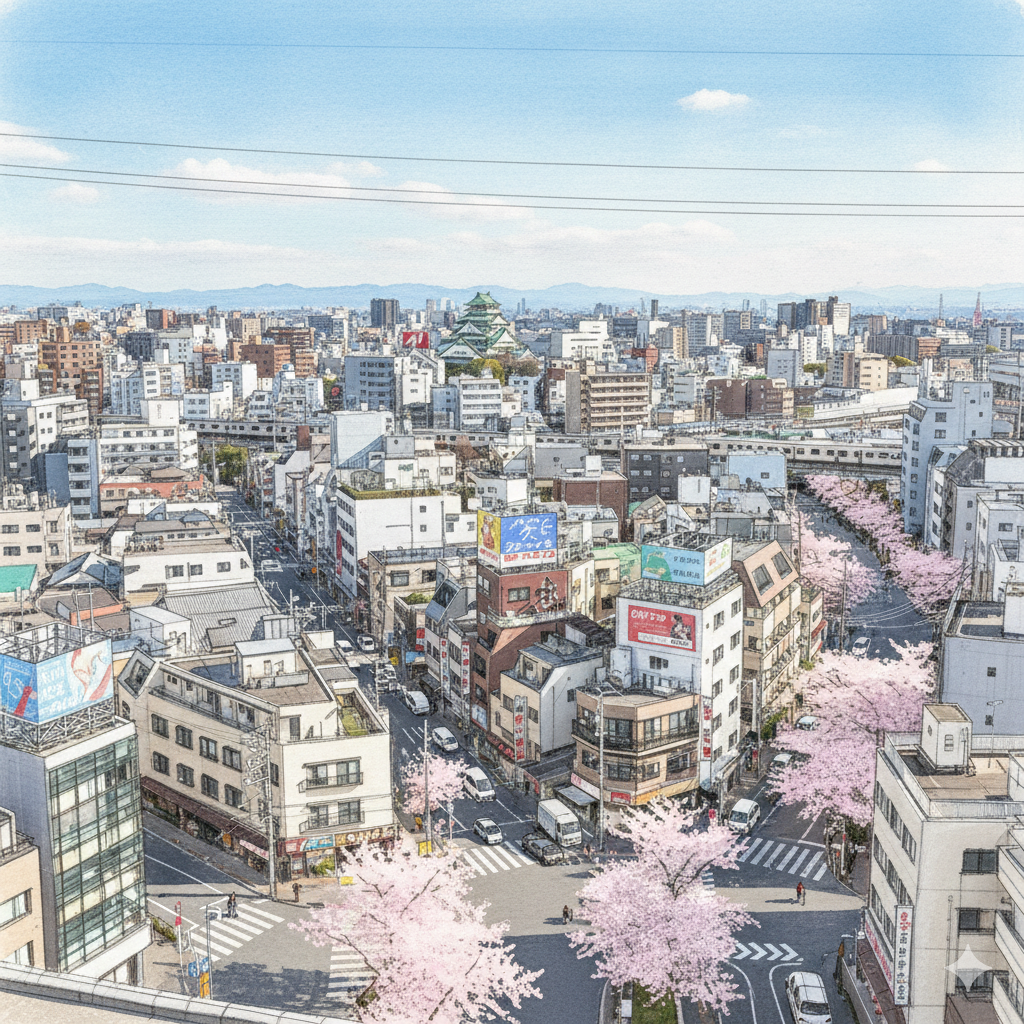
 Lawrence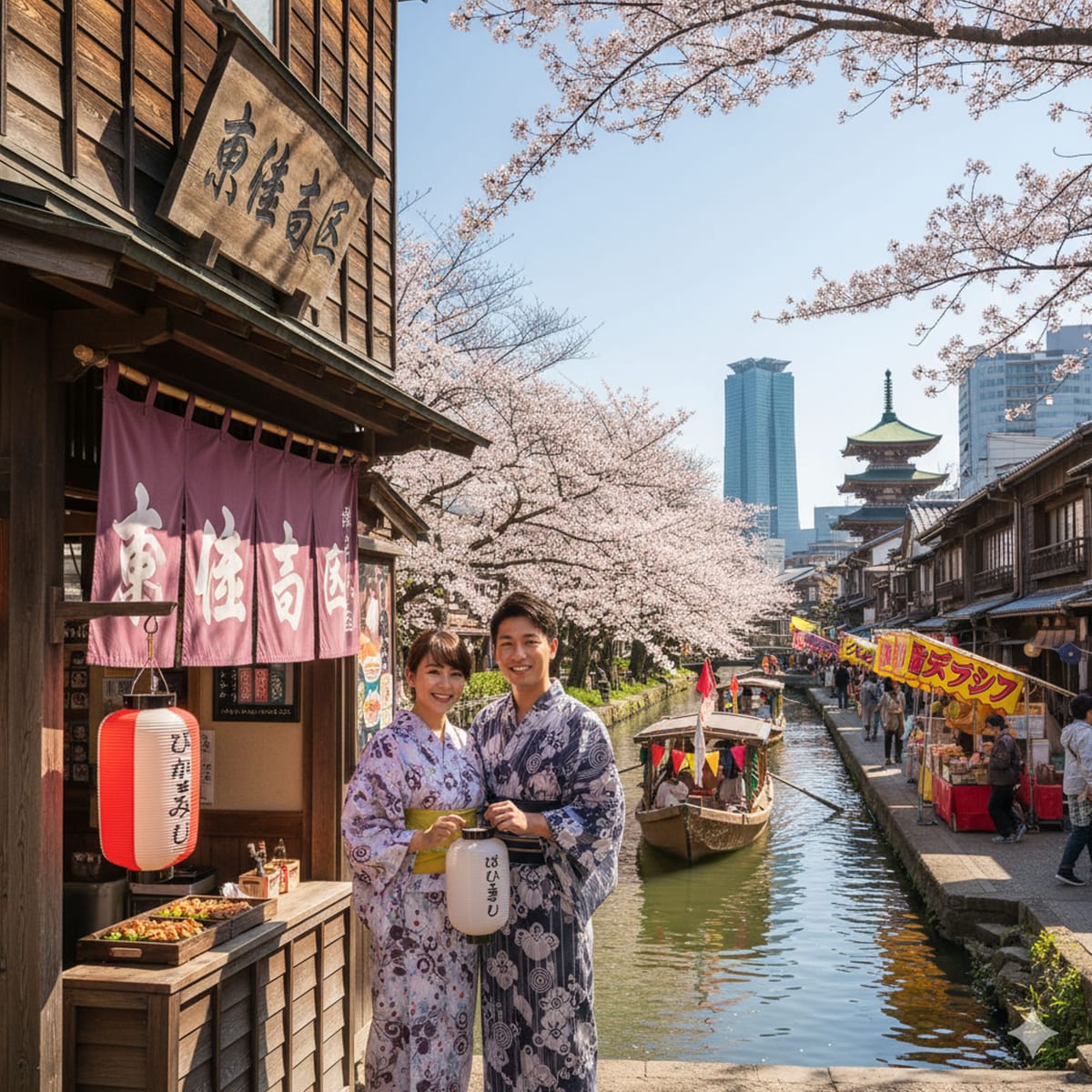
 Lawrence
 Lawrence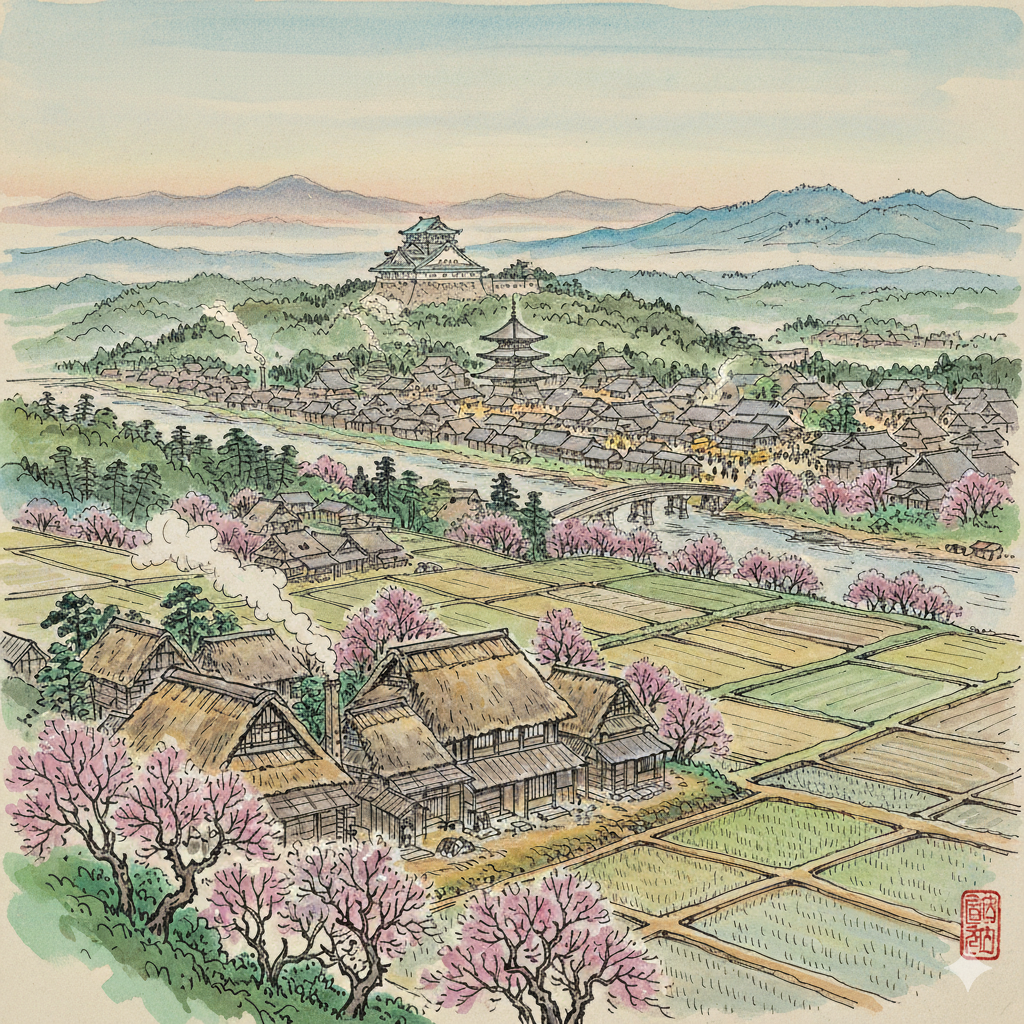
 Lawrence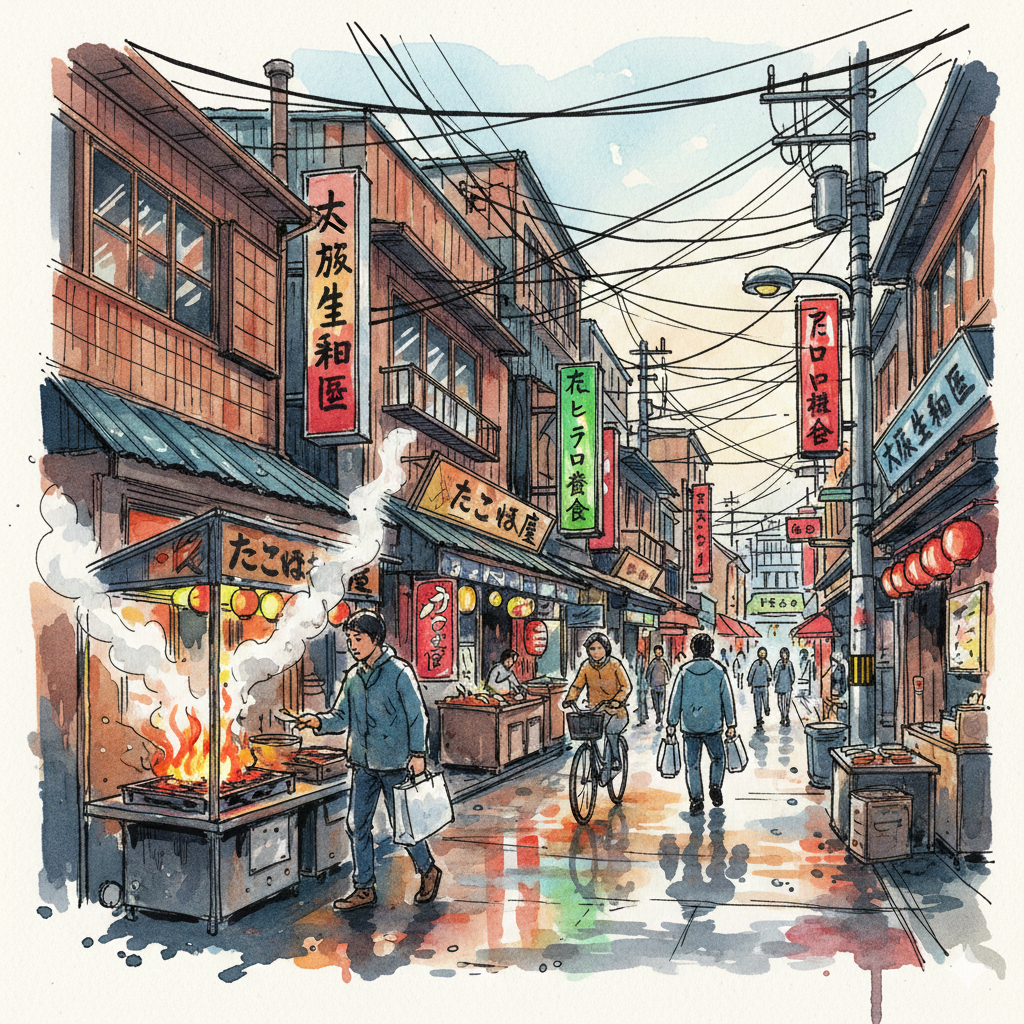
 Lawrence
 Lawrence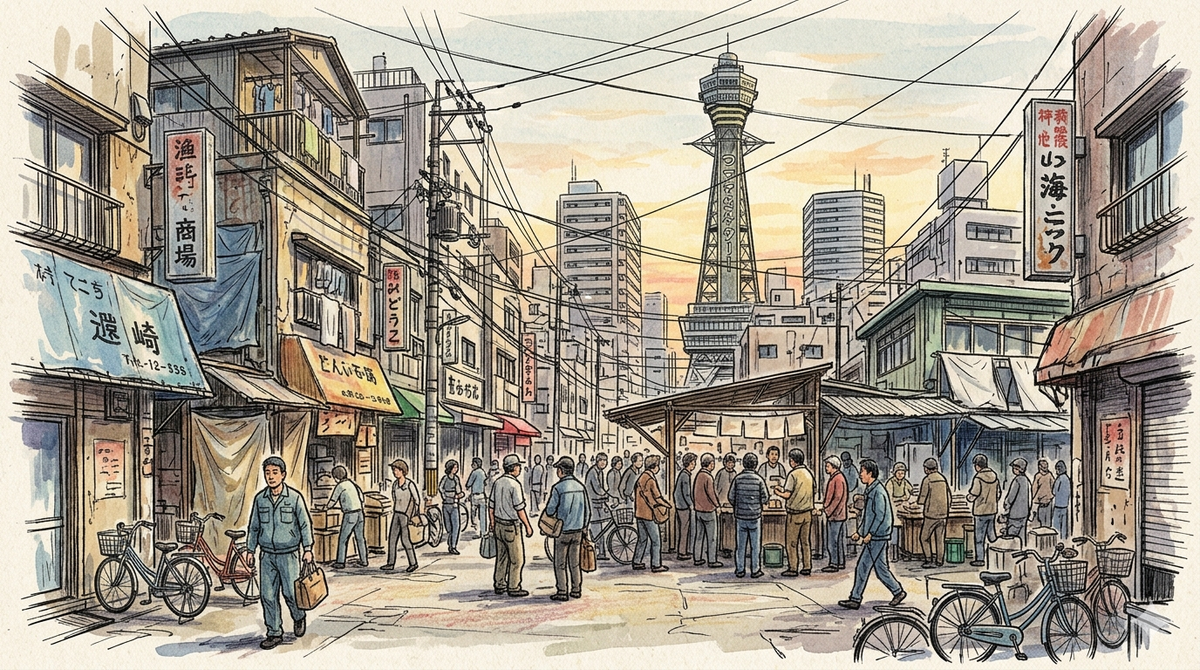
 Lawrence
 Lawrence
 Lawrence
 Lawrence
 Lawrence
 Lawrence
 Lawrence
 Lawrence
 Lawrence
 Lawrence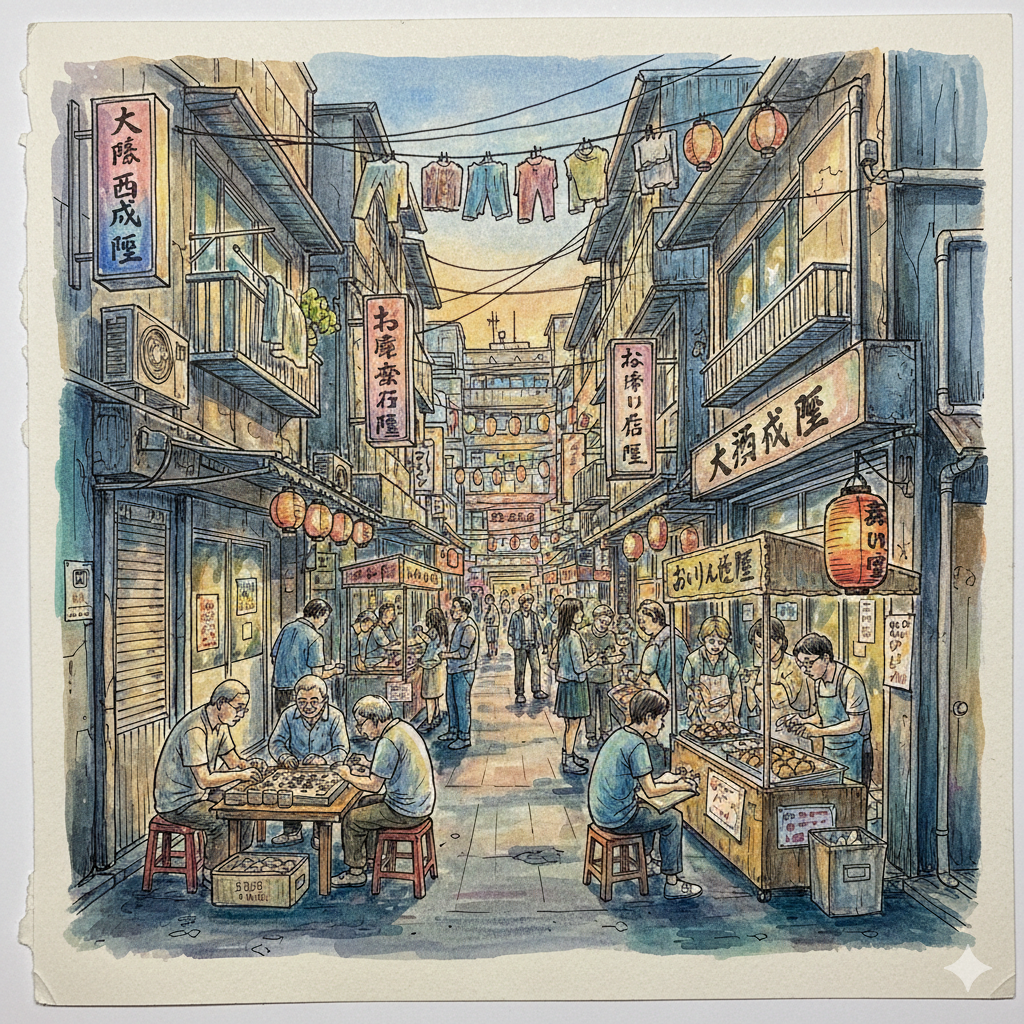
 Lawrence
 Lawrence
 Lawrence
 Lawrence
 Lawrence
 Lawrence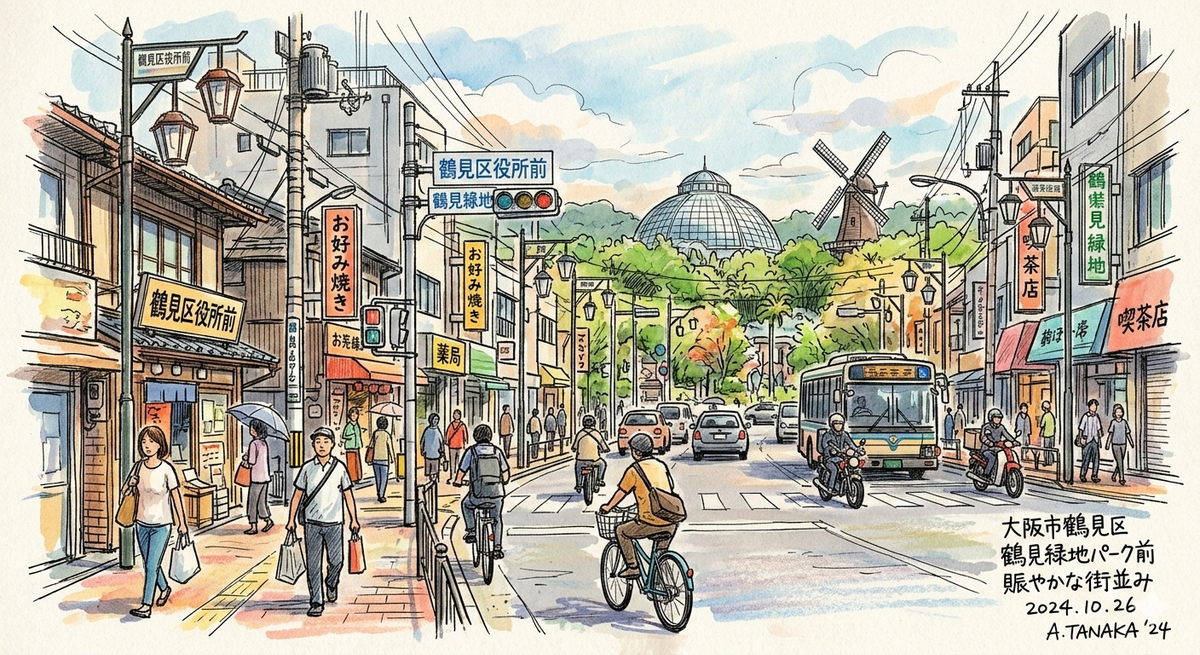
 Lawrence
 Lawrence