Ultimate Historical Travel Guide to Osaka: Districts, Culture, and Hidden Stories
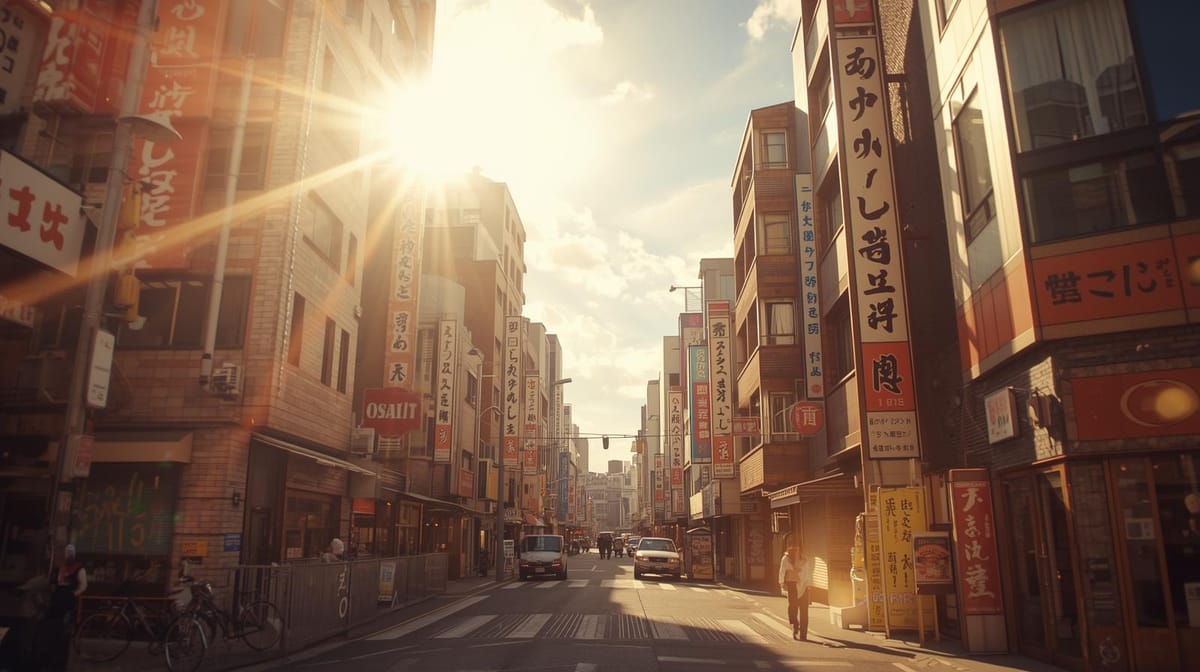
Osaka is often seen today as a vibrant modern metropolis filled with neon lights, street food, and energetic nightlife. Yet beneath its contemporary surface lies one of the most important historical commercial cities in Asia. Unlike Kyoto, which was defined by imperial court culture, or Tokyo, which rose through political centralization, Osaka evolved through commerce. It was the merchants, traders, and entrepreneurs who built the city’s identity, transforming it into Japan’s economic heart for over four centuries.
Understanding Osaka requires looking beyond individual tourist attractions. Its districts form an interconnected historical system shaped by feudal power, merchant innovation, religious influence, working-class survival, and modern reinvention. Each district represents a layer in the city’s long and continuous evolution.
This guide provides a complete historical framework to help you explore Osaka not simply as a destination, but as a living historical organism shaped by centuries of human activity.
The Origins of Osaka: From Sacred Settlement to Economic Power
Long before Osaka became a commercial powerhouse, it held strategic and religious importance. Its location along Osaka Bay and the Yodo River created a natural transportation corridor connecting inland Japan with maritime trade routes.
Early religious institutions such as Shitennoji Temple established Osaka as a spiritual center. These religious sites attracted pilgrims, artisans, and traders, creating early economic activity around temple communities.
Over time, Osaka’s geographic advantage allowed it to evolve beyond a religious center into a major hub of transportation and commerce. Goods, people, and ideas flowed through the city, laying the foundation for its future economic dominance.
You can explore this spiritual foundation further in the Sacred Osaka historical district guides.
Feudal Osaka: Samurai Power and Political Transformation
Osaka’s transformation accelerated dramatically during the late 16th century when Toyotomi Hideyoshi constructed Osaka Castle. The castle was not merely a military structure—it became the political and economic anchor for the entire region.
Castle towns developed around Osaka Castle, attracting merchants, craftsmen, and laborers. These communities formed the early commercial infrastructure that would later define the city.
Although political power eventually shifted to Edo (Tokyo), Osaka retained its economic importance. Merchants continued to operate extensive trade networks, ensuring the city’s prosperity even without direct political control.
Explore the detailed evolution of this period in the Feudal Osaka district articles, including the history of Osaka Castle and surrounding districts.
By the Edo period, Osaka had become Japan’s primary commercial center. Rice, the foundation of the national economy, was traded extensively through Osaka’s markets. Merchants developed sophisticated financial systems, warehouses, and distribution networks.
Districts such as Dotonbori, Shinsaibashi, and Namba emerged as major commercial centers. Canals transported goods directly into merchant districts, allowing efficient distribution across the city.
Dotonbori evolved into a commercial entertainment district where theaters, restaurants, and shops operated alongside trade infrastructure. Shinsaibashi developed into one of Japan’s earliest organized retail streets, while Namba became a critical transportation and logistics hub.
Sacred Osaka: Religious Institutions and Cultural Stability
Religious institutions played a crucial role in stabilizing Osaka’s social and economic systems. Temples and shrines served not only spiritual functions but also supported local economies by attracting pilgrims and supporting surrounding communities.
Sites such as Shitennoji and Sumiyoshi Taisha became central nodes in Osaka’s cultural and economic landscape. These religious centers created stable environments where commercial activity could flourish safely.
You can explore these locations further in the Sacred Osaka district articles.
While merchants and elites shaped Osaka’s economic structure, working-class communities formed its physical foundation. Laborers constructed infrastructure, transported goods, and sustained industrial activity.
Districts such as Shinsekai and Nishinari reveal the social realities behind Osaka’s economic success. These areas illustrate the lives of workers who supported the city’s growth but often remained invisible in traditional historical narratives.
Understanding these districts provides a deeper and more complete picture of Osaka’s historical development.
Explore these areas in the Working-Class Osaka historical district guides.
Despite wars, economic crises, and modernization, Osaka continuously reinvented itself. Modern districts such as Umeda and Abeno represent the latest phase in this evolution.
Skyscrapers and transportation hubs now stand where merchant warehouses and canals once operated. Yet the underlying logic remains unchanged: Osaka continues to function as a center of exchange, movement, and economic activity.
These modern districts demonstrate how historical commercial foundations continue to shape contemporary urban development.
Explore the Modern Osaka district articles to understand this transformation.
Each district reveals a different layer of Osaka’s historical evolution.
How Osaka’s Districts Form a Complete Historical System
Osaka cannot be understood through isolated locations. Its districts function as interconnected components of a larger historical system:
Feudal power created political stability Religious institutions created cultural stability Merchants created economic systems Workers built physical infrastructure Modern developers adapted historical foundations
This interconnected structure allowed Osaka to evolve continuously for centuries.
Exploring multiple districts provides a deeper understanding of how these forces interacted to shape the city.
Why Osaka Remains One of the World’s Most Important Historical Commercial Cities
Osaka’s significance lies not only in its historical monuments but in its continuous evolution. Unlike cities frozen in a single historical era, Osaka reflects multiple layers of history coexisting simultaneously.
Ancient temples stand near modern skyscrapers. Merchant streets operate alongside modern shopping complexes. Working-class neighborhoods exist near major financial centers.
This continuity makes Osaka one of the most historically dynamic cities in the world.
By exploring its districts through a historical lens, visitors can understand not only Osaka itself, but also the broader economic and cultural evolution of Japan.
Explore Osaka Through Its Historical Layers
To begin your journey, explore the following historical themes:
Each theme reveals a different dimension of Osaka’s identity.
Conclusion: Osaka as a Living Historical Organism
Osaka is not simply a collection of tourist attractions. It is a living historical organism shaped by centuries of commerce, religion, labor, and innovation.
Its districts tell interconnected stories of human ambition, adaptation, and survival. By exploring these districts within their historical context, visitors can experience Osaka not merely as a modern city, but as one of the world’s most enduring commercial civilizations.
This guide serves as the foundation for exploring Osaka’s complete historical landscape.

 Lawrence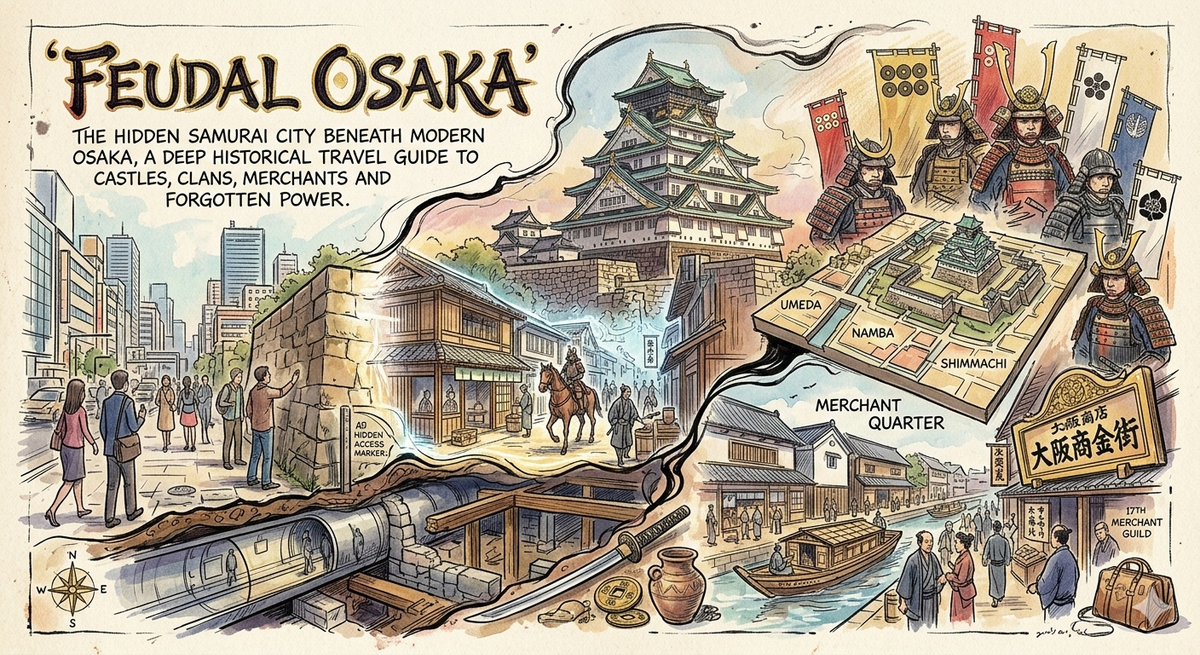
 Lawrence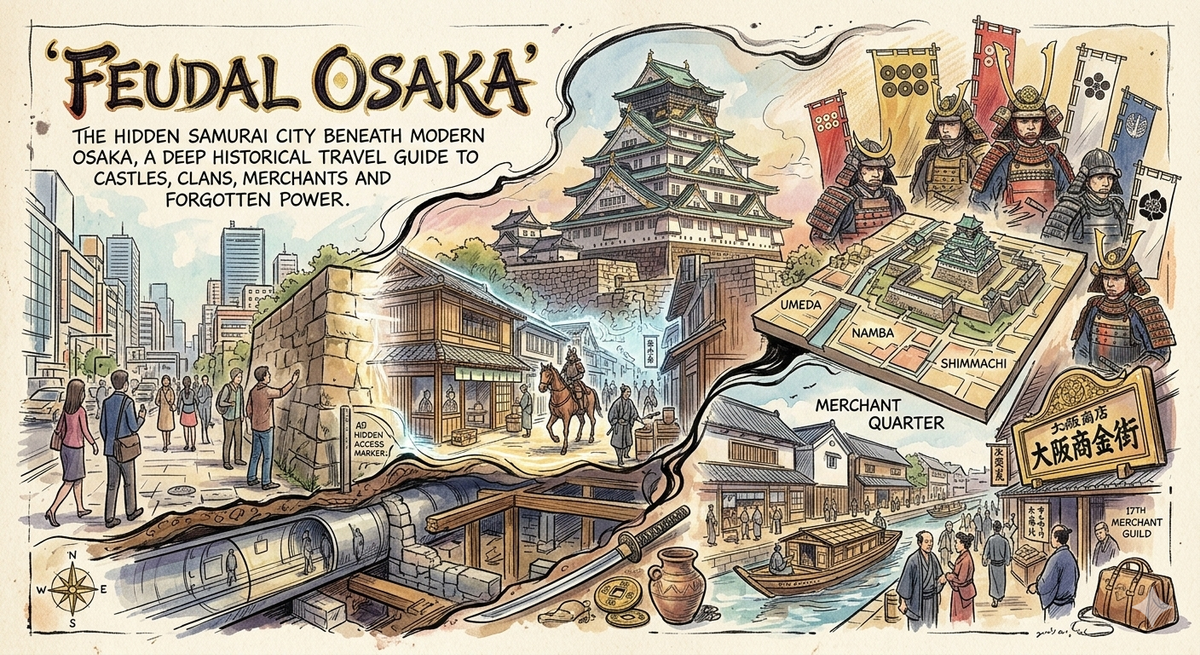
 Lawrence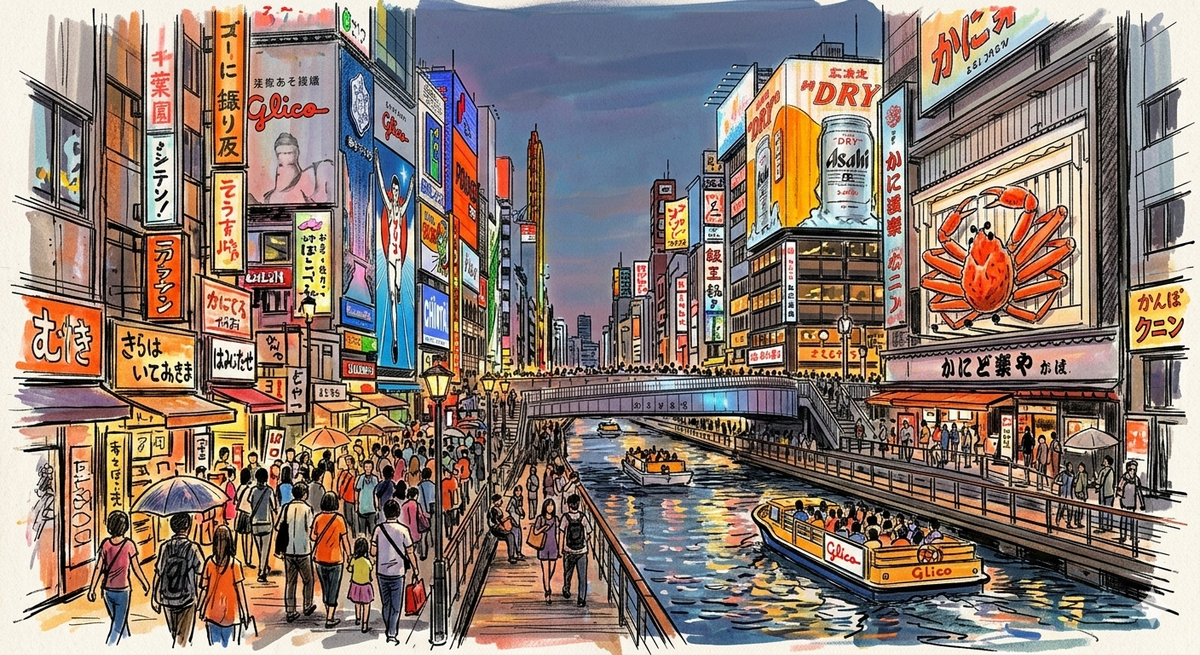
 Lawrence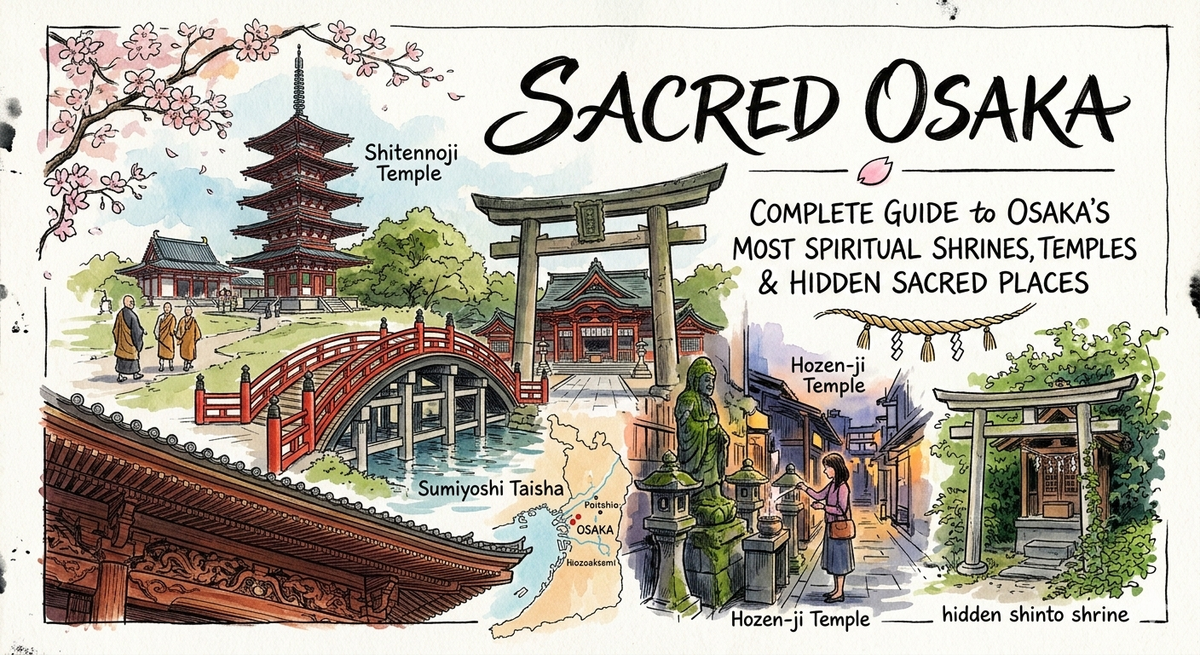
 Lawrence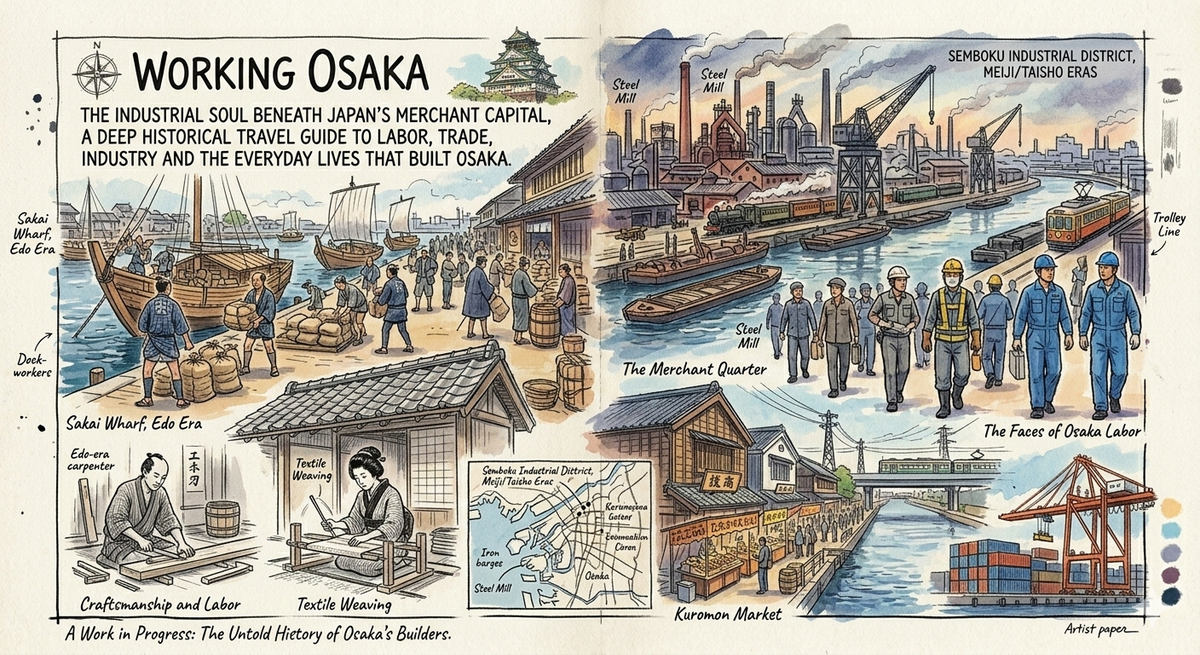
 Lawrence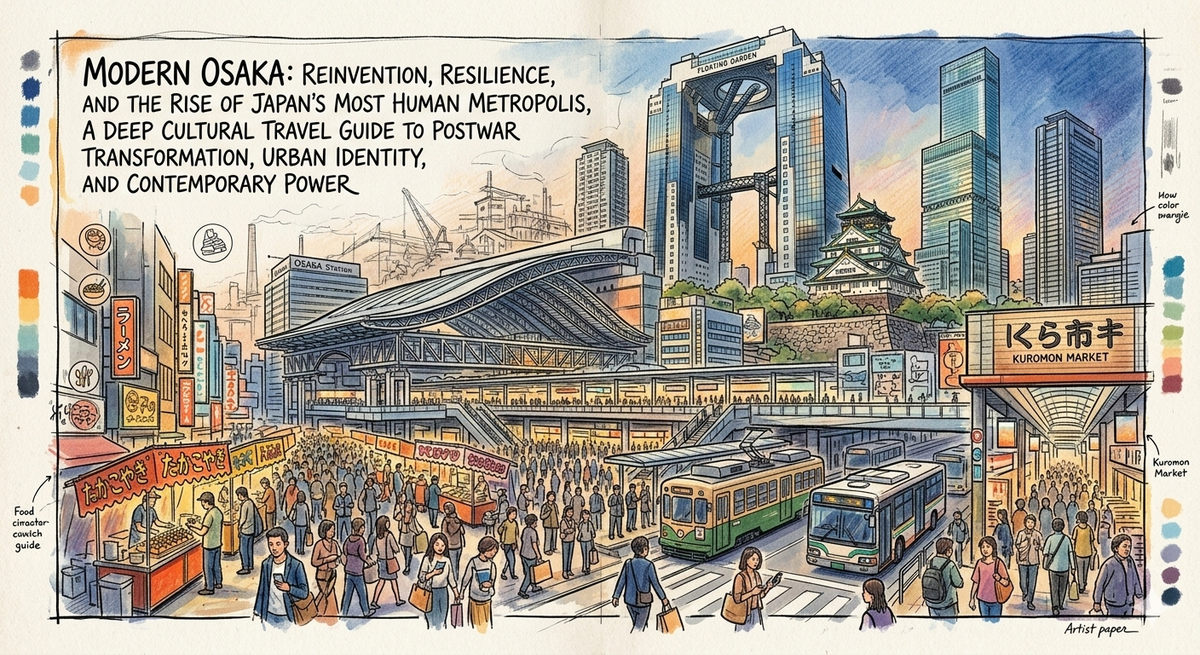
 Lawrence
 Lawrence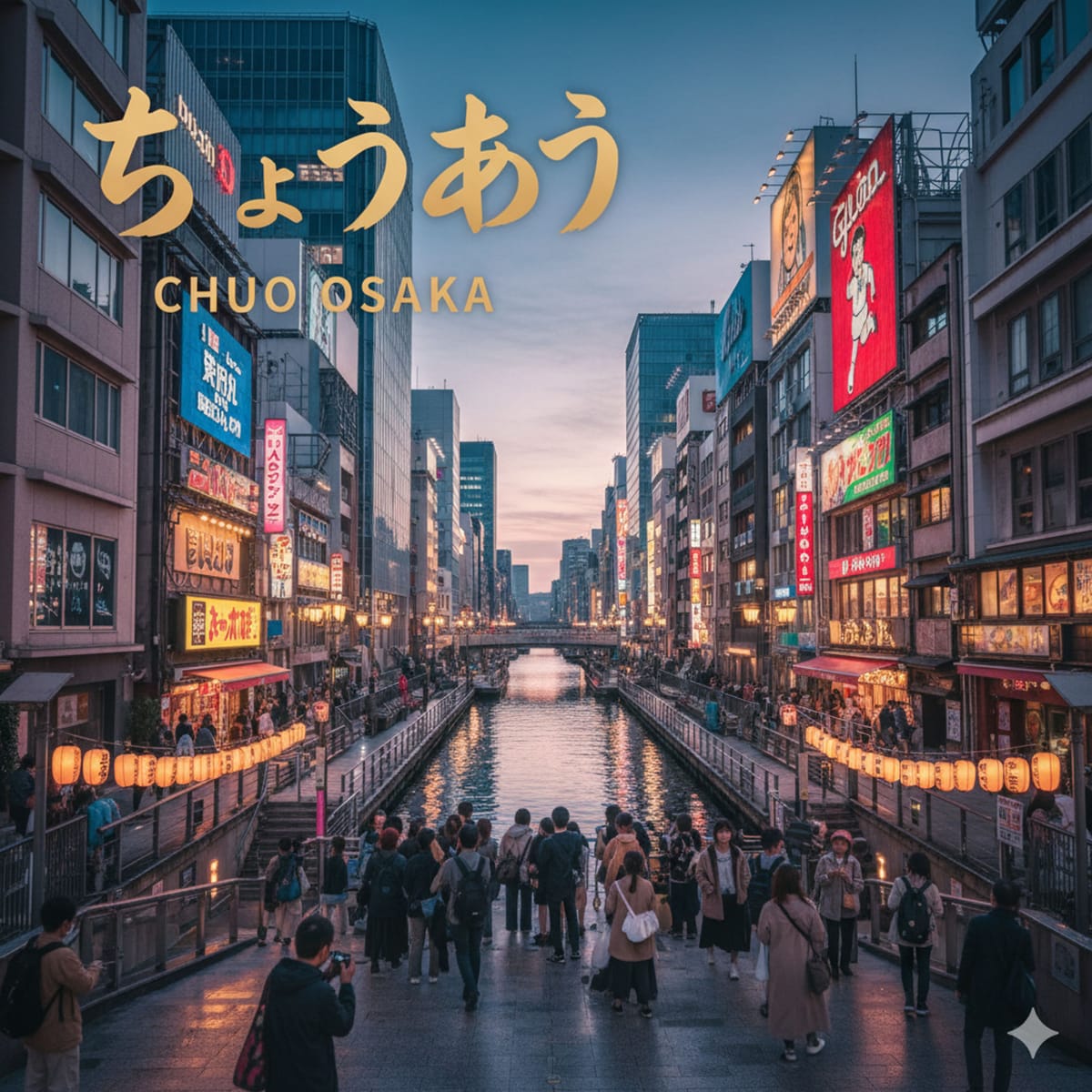
 Lawrence
 Lawrence
 Lawrence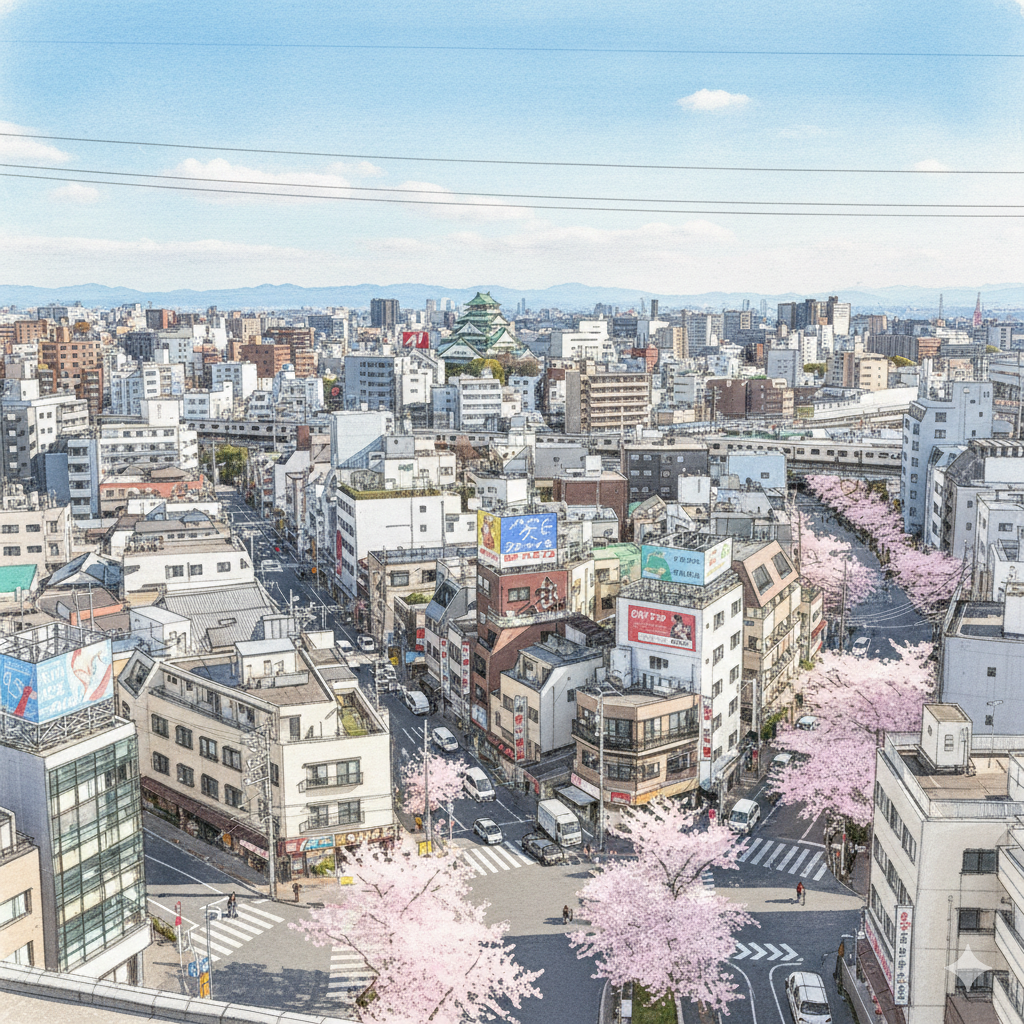
 Lawrence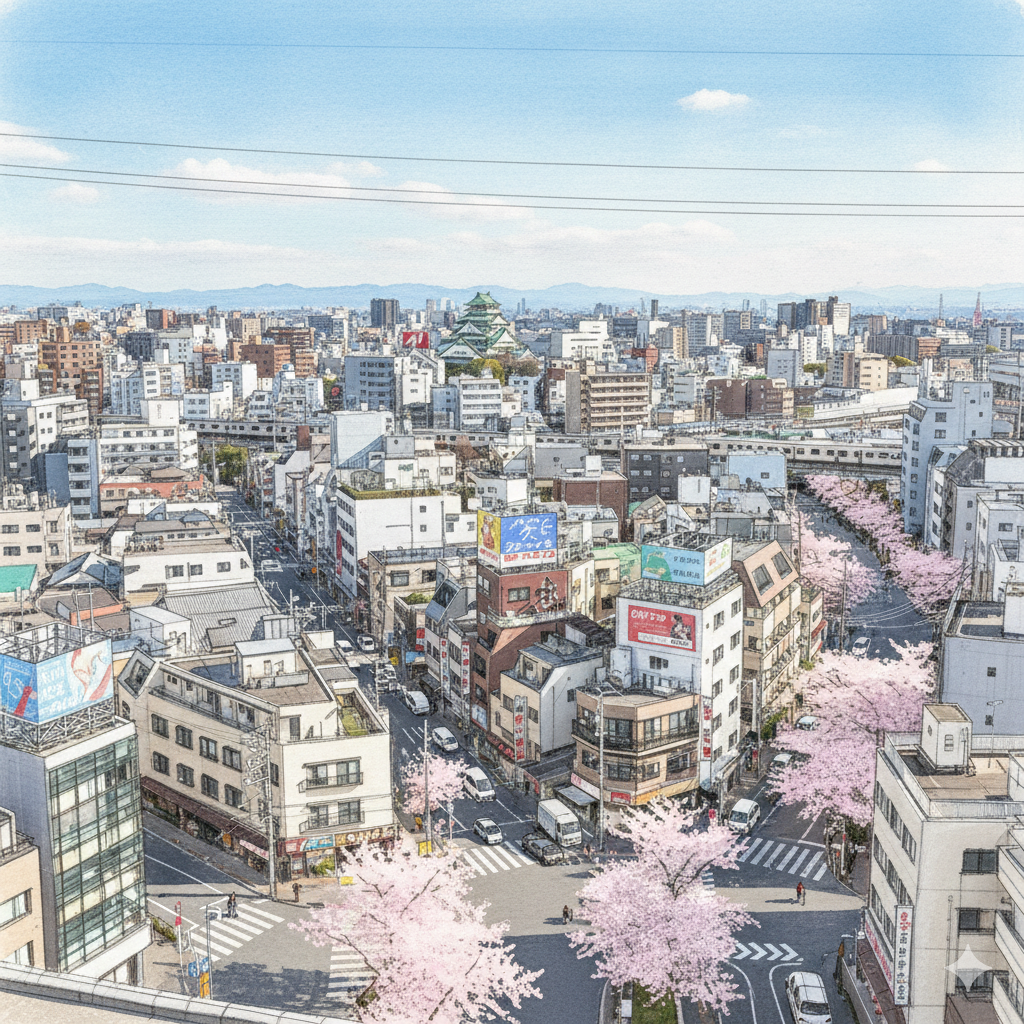
 Lawrence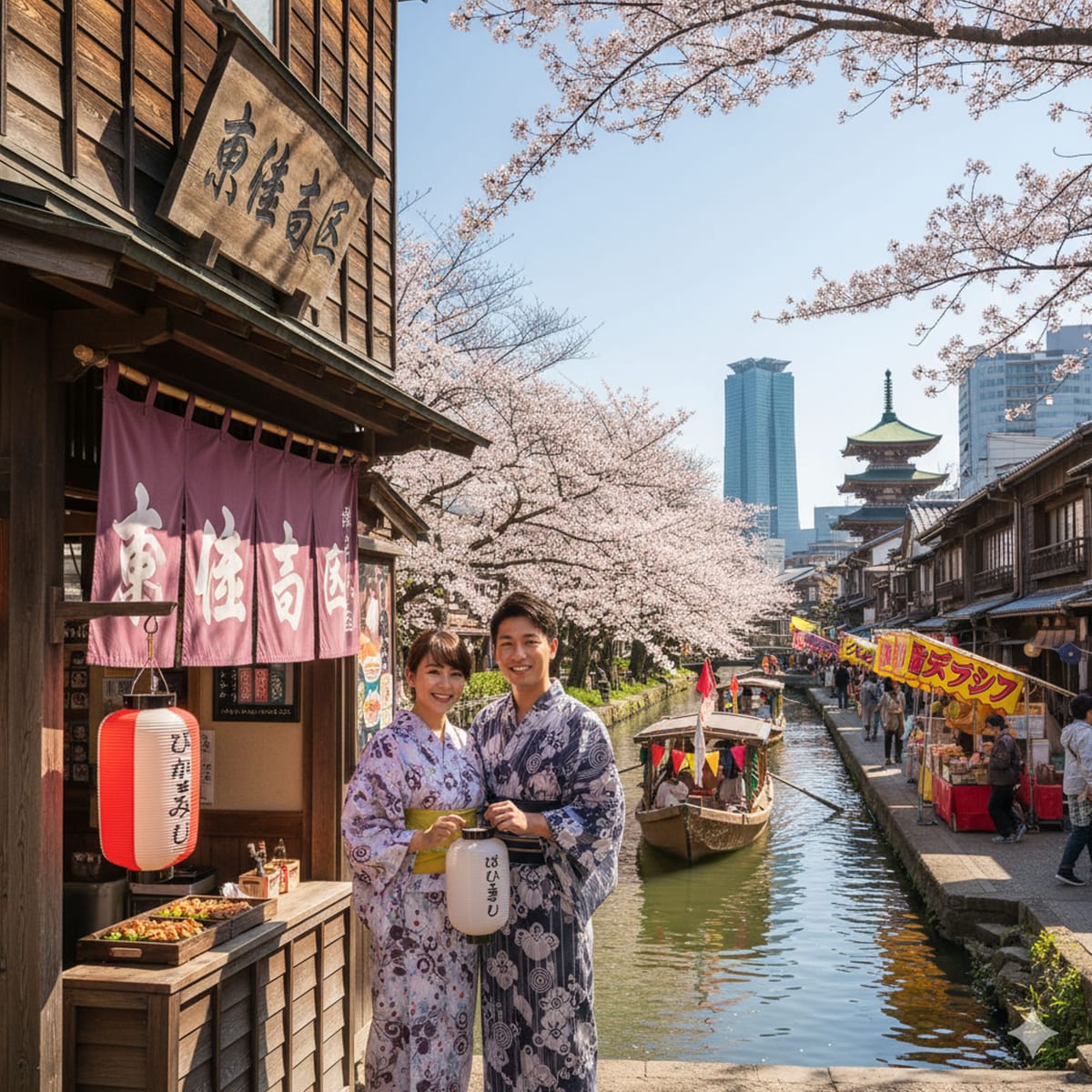
 Lawrence
 Lawrence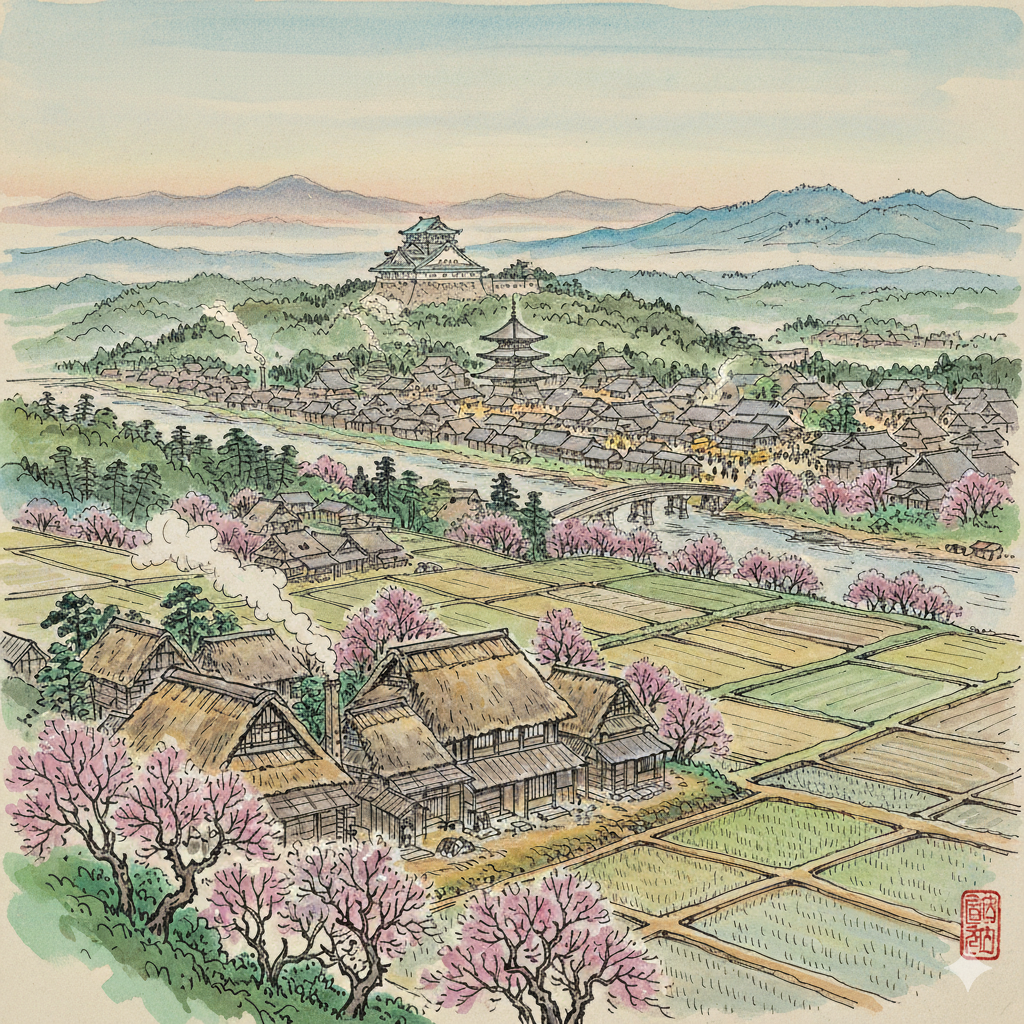
 Lawrence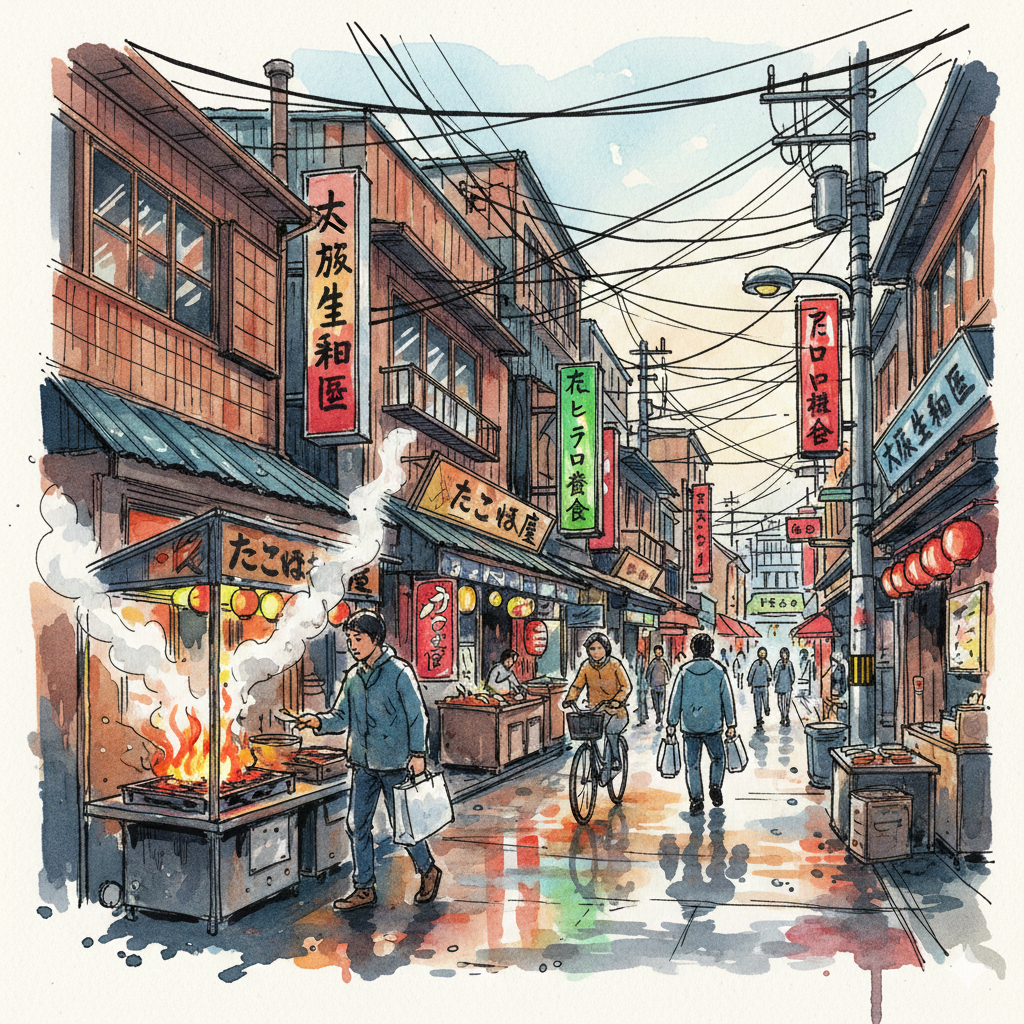
 Lawrence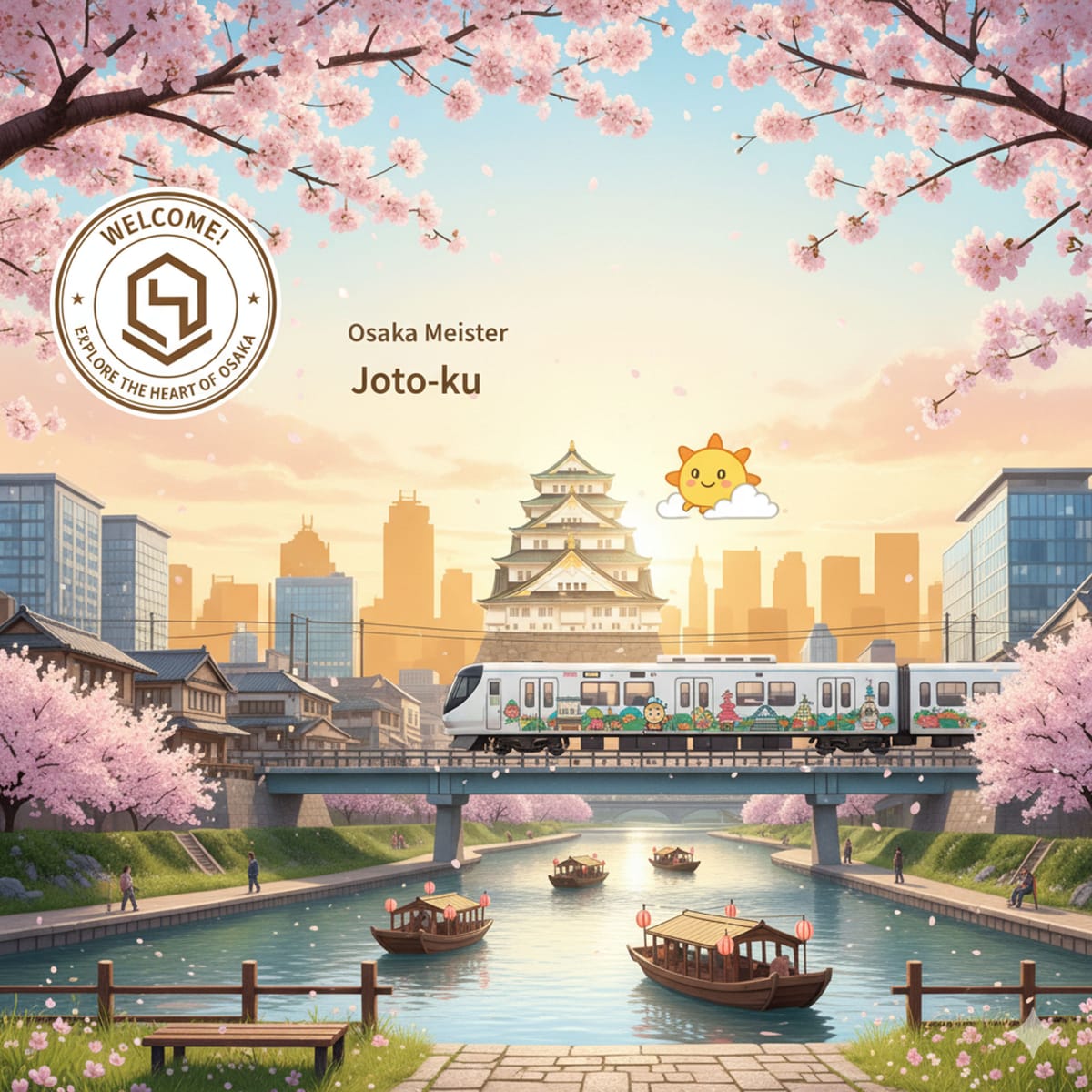
 Lawrence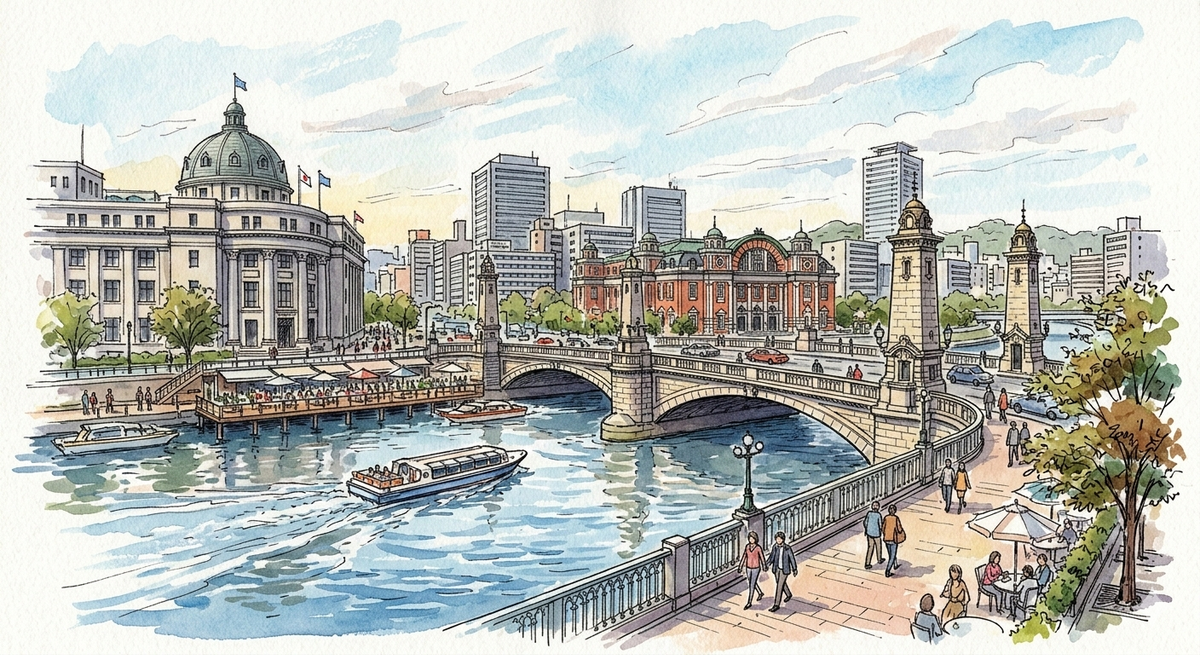
 Lawrence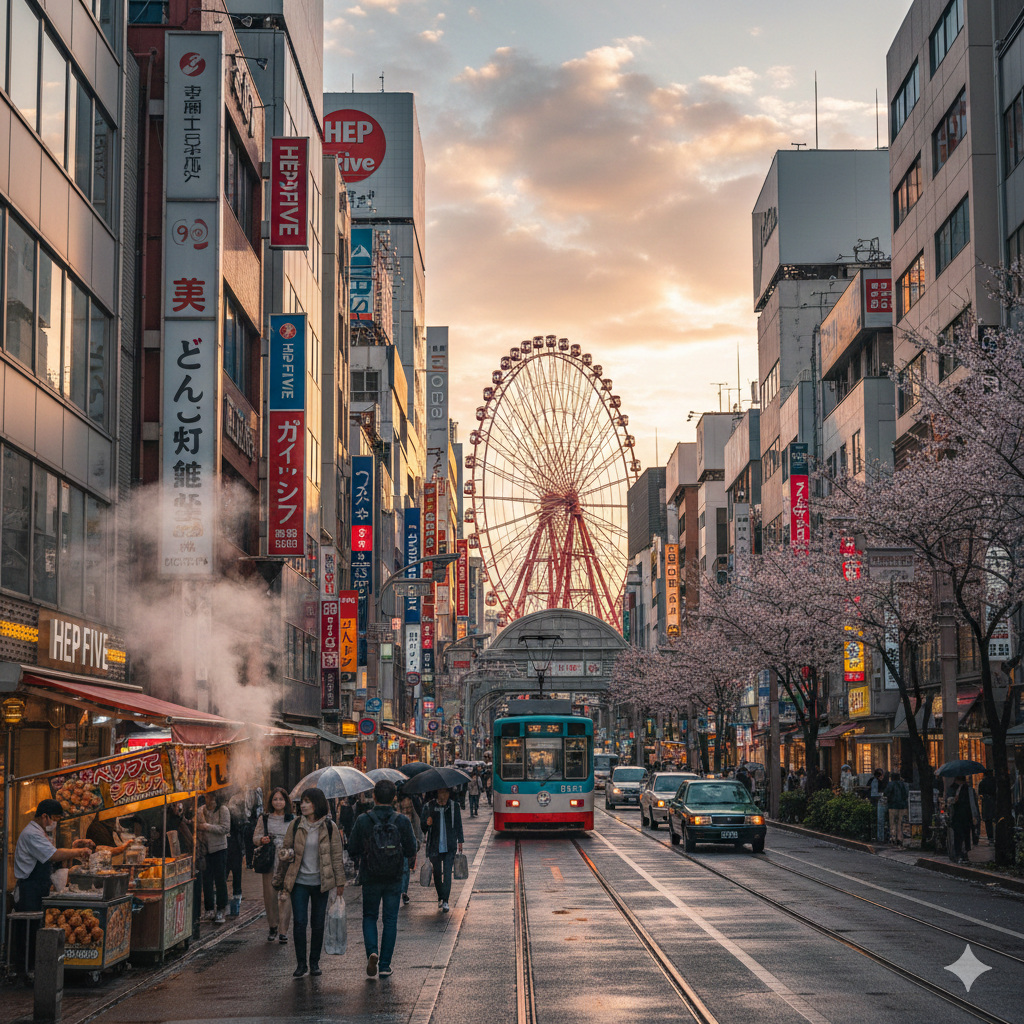
 Lawrence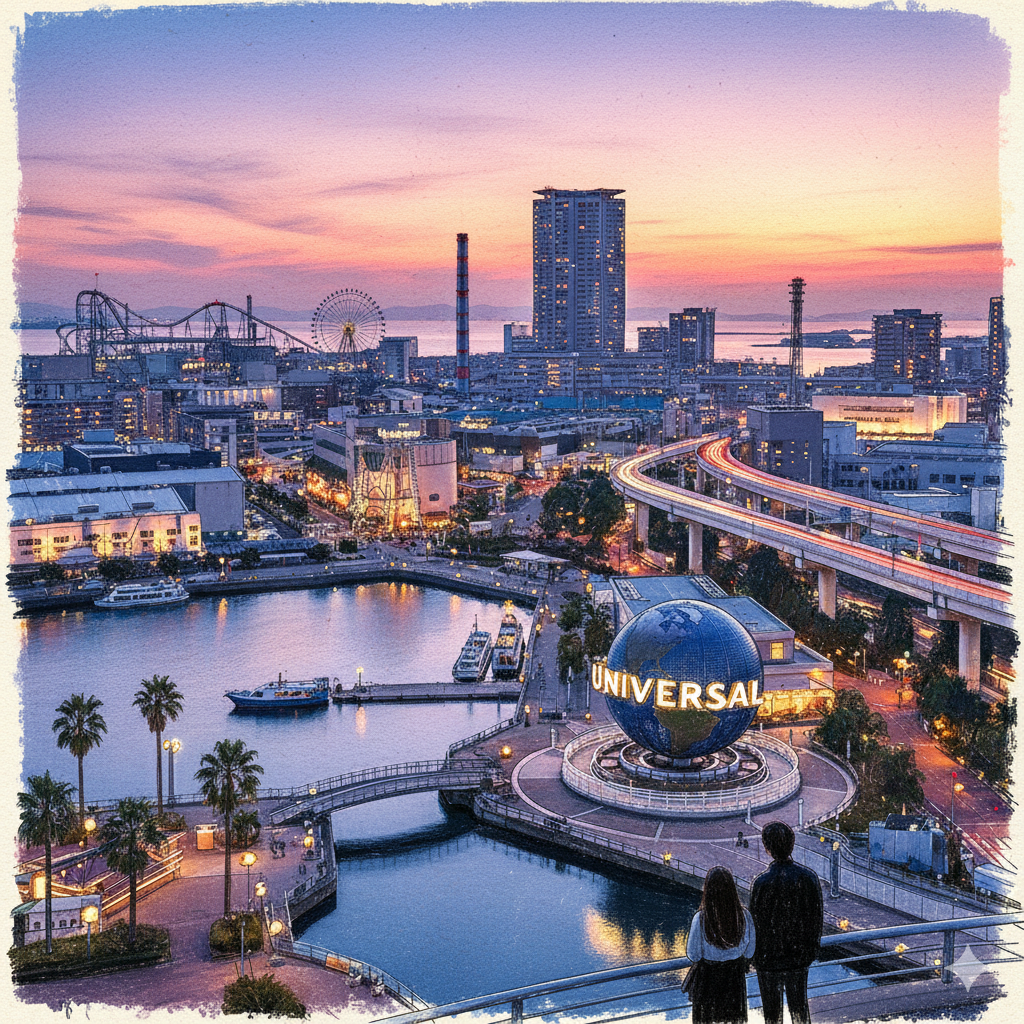
 Lawrence
 Lawrence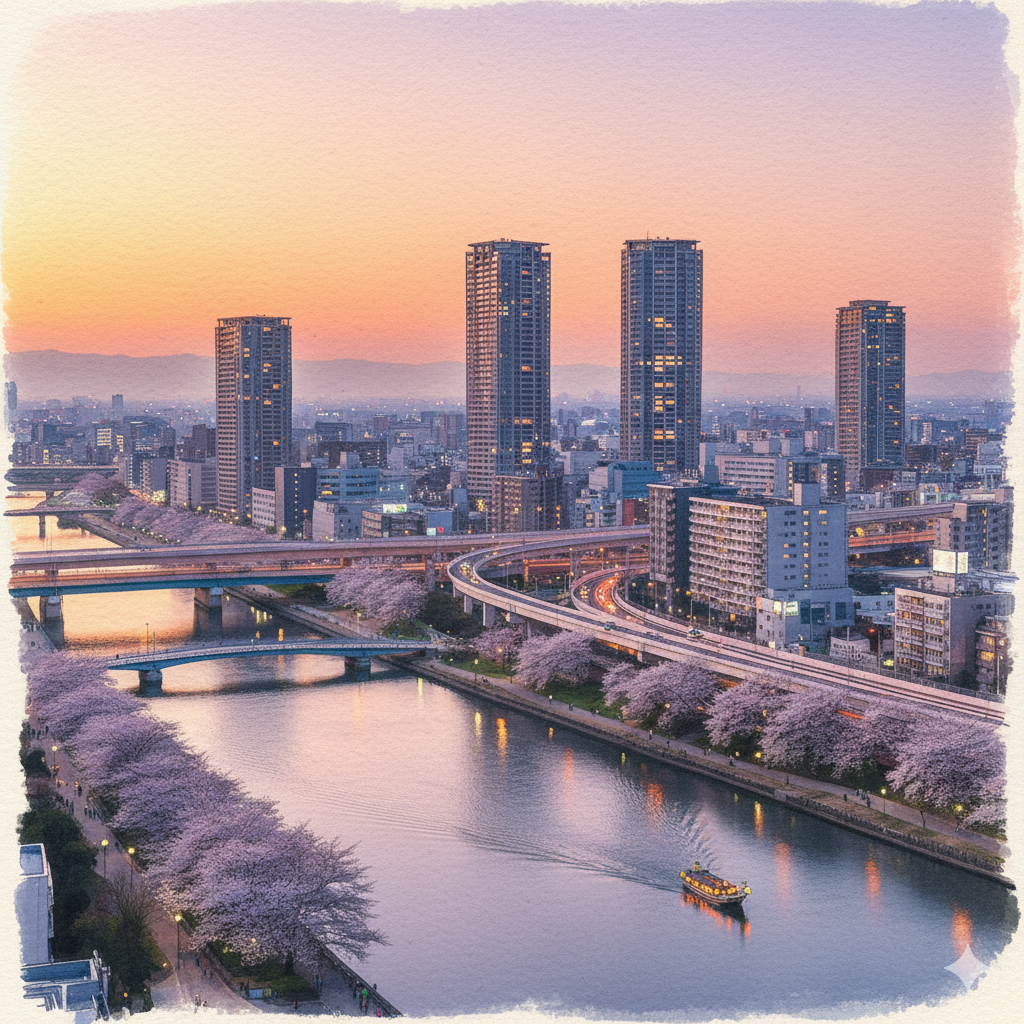
 Lawrence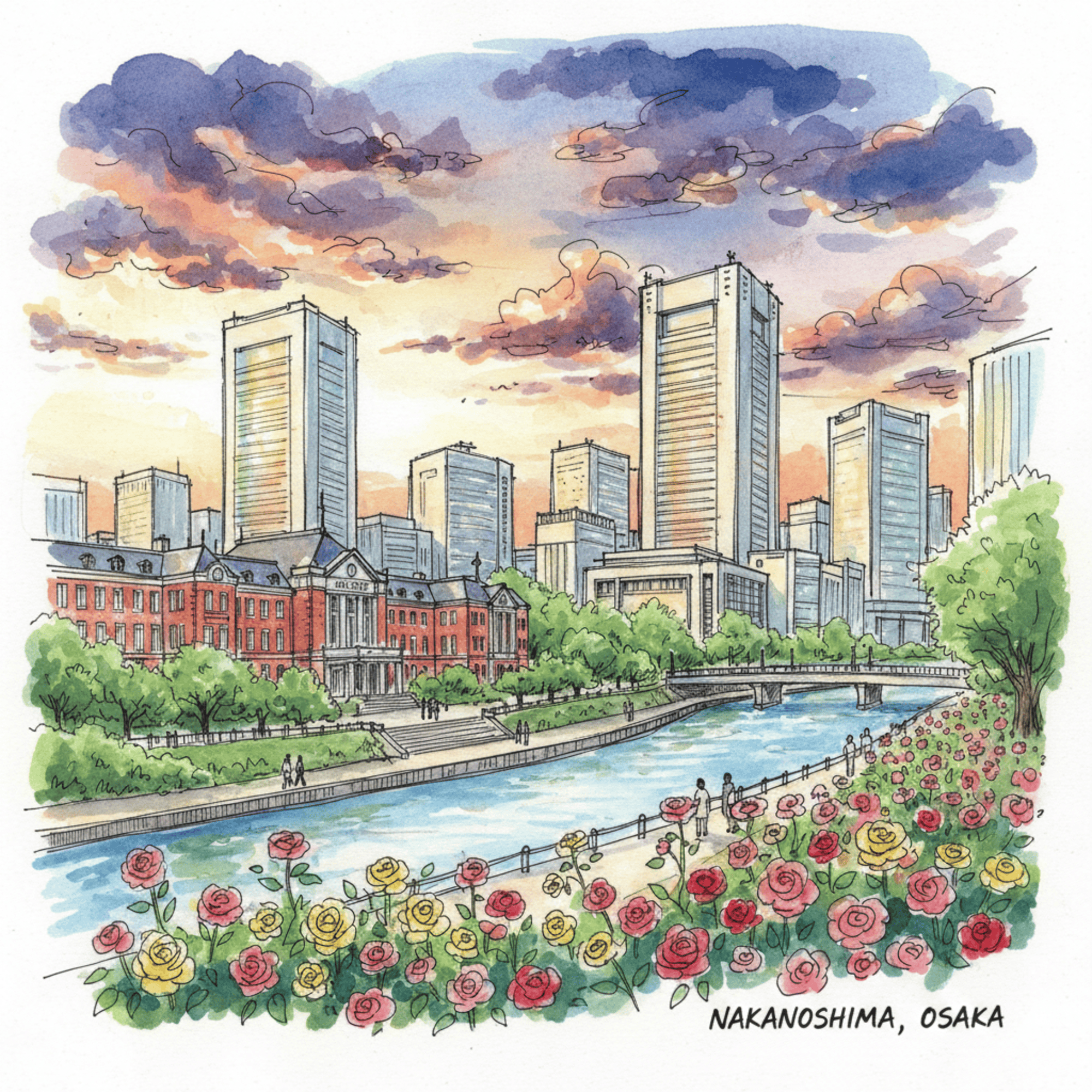
 Lawrence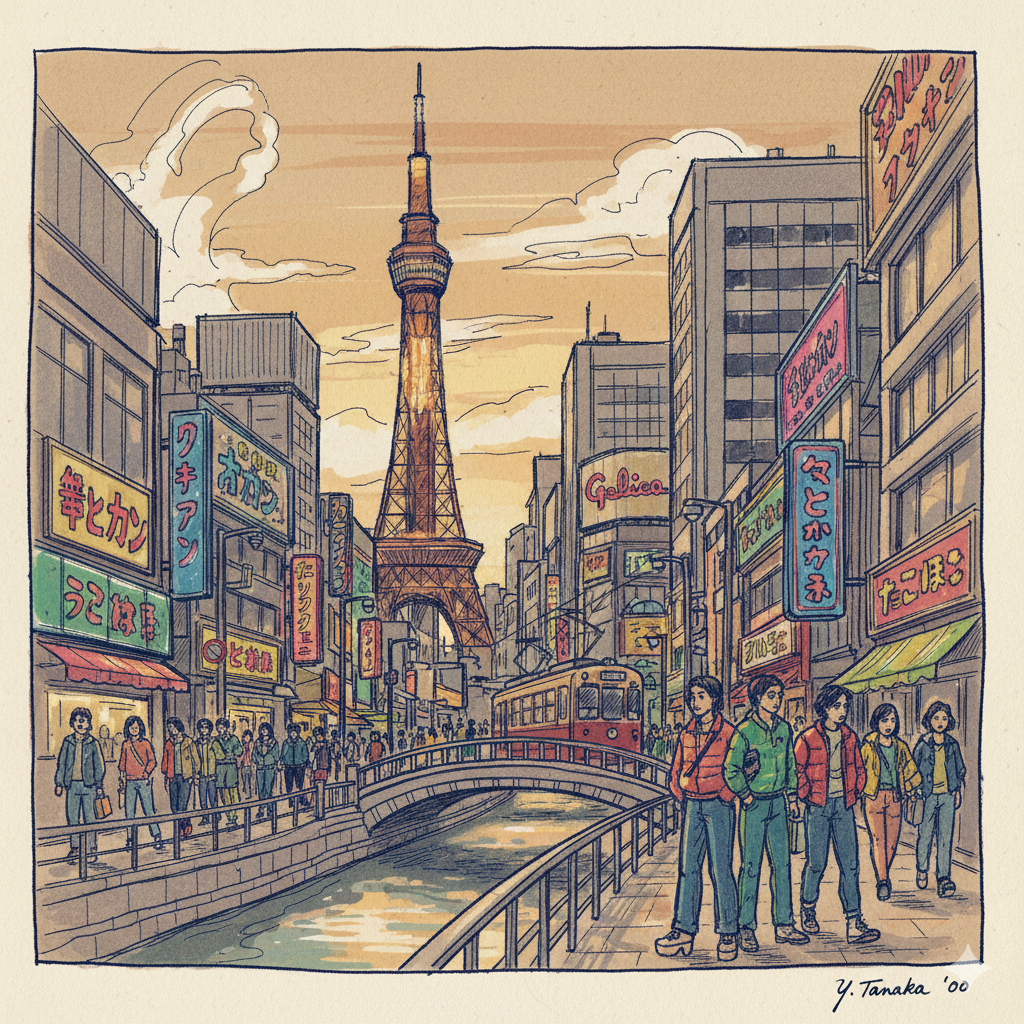
 Lawrence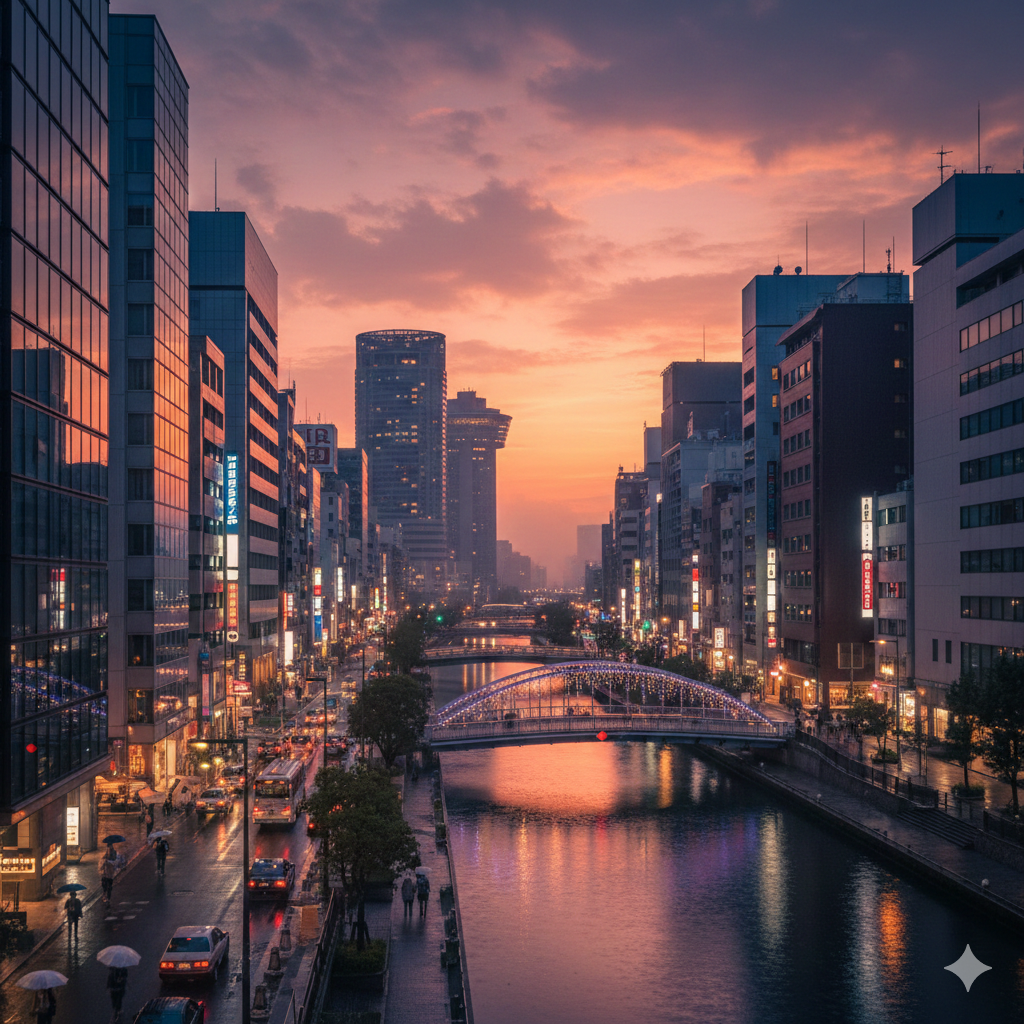
 Lawrence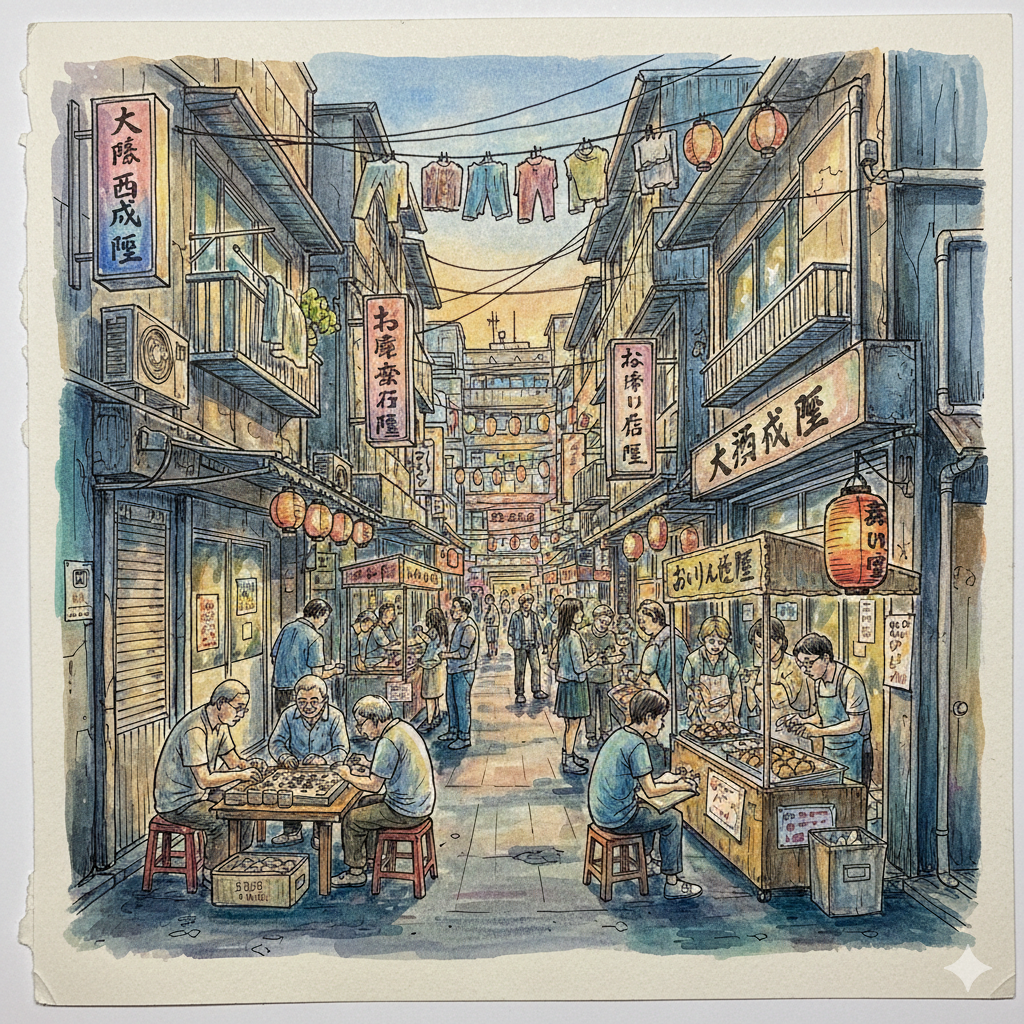
 Lawrence
 Lawrence
 Lawrence
 Lawrence
 Lawrence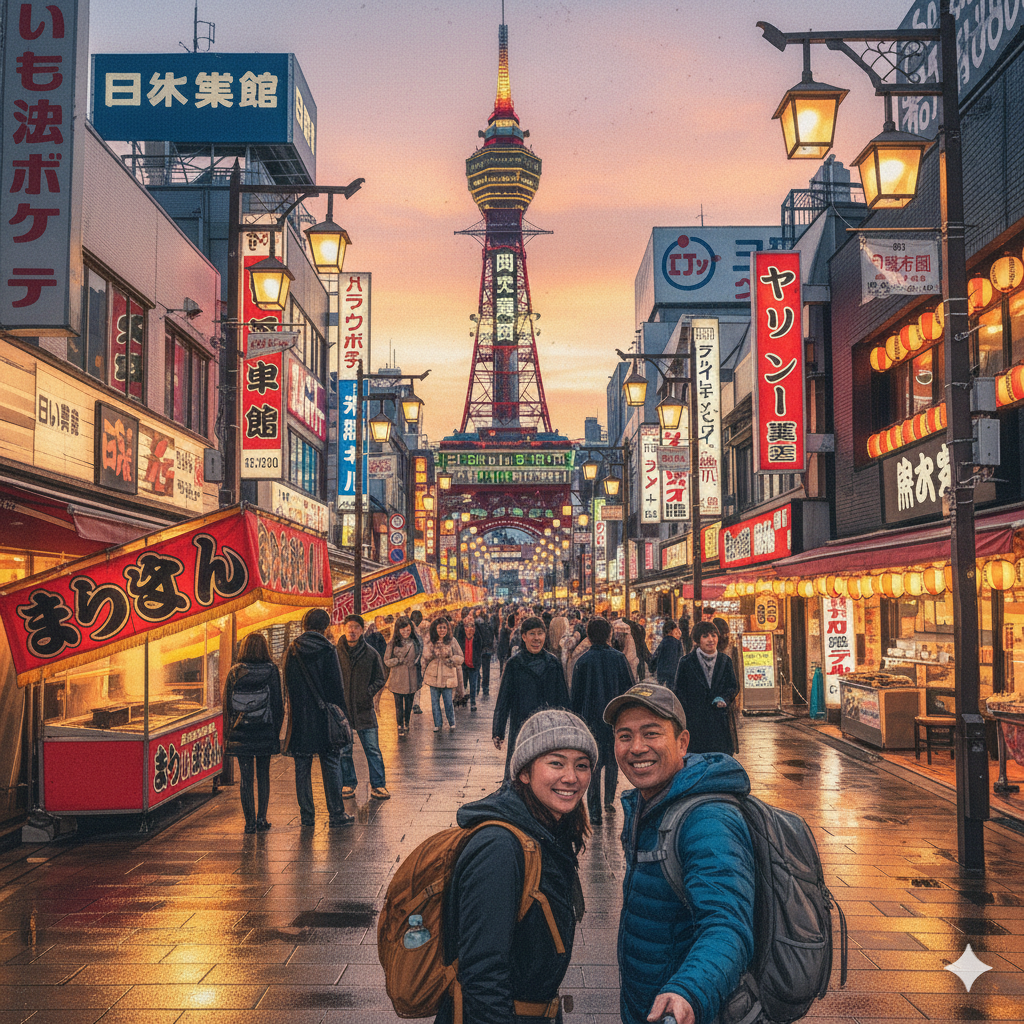
 Lawrence
 Lawrence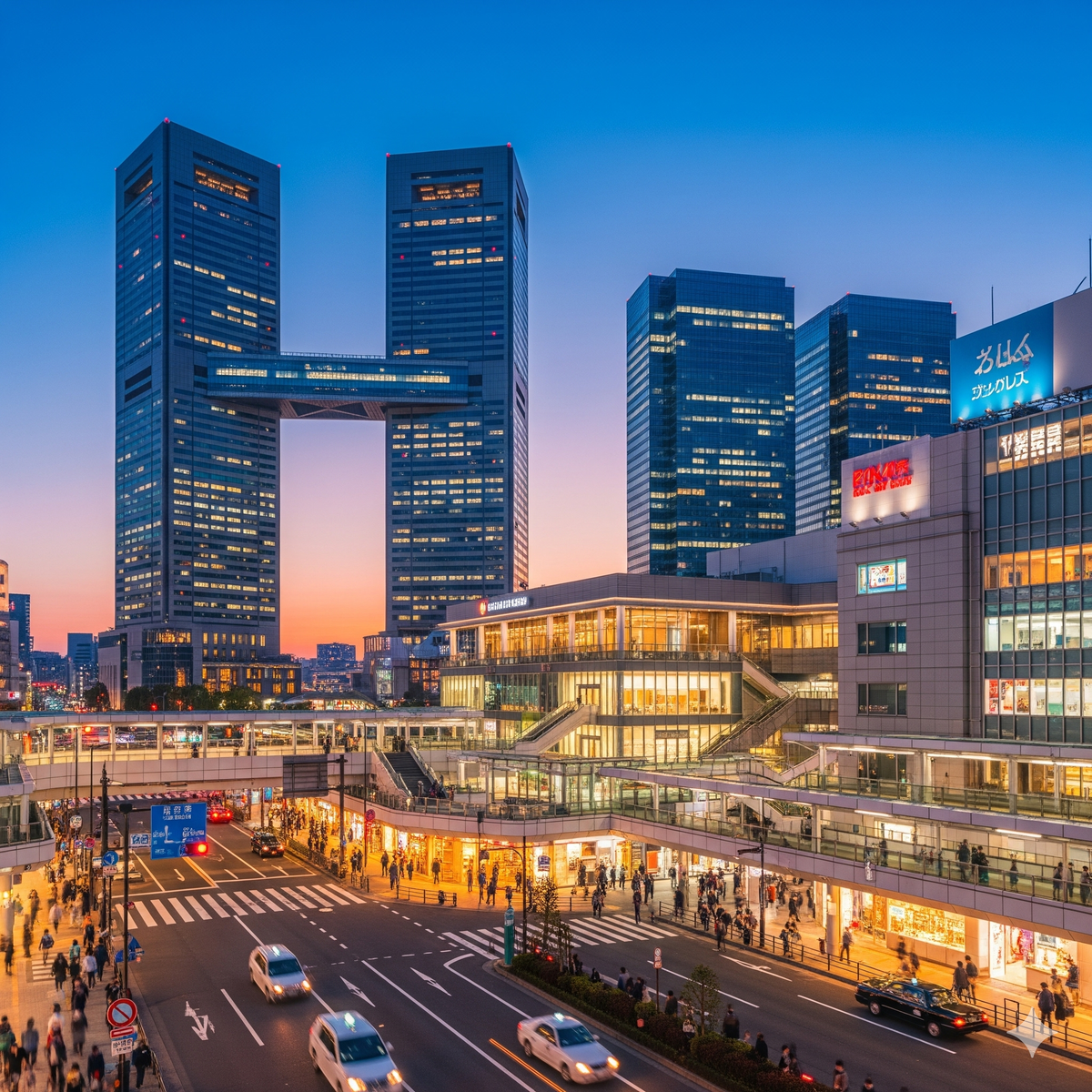
 Lawrence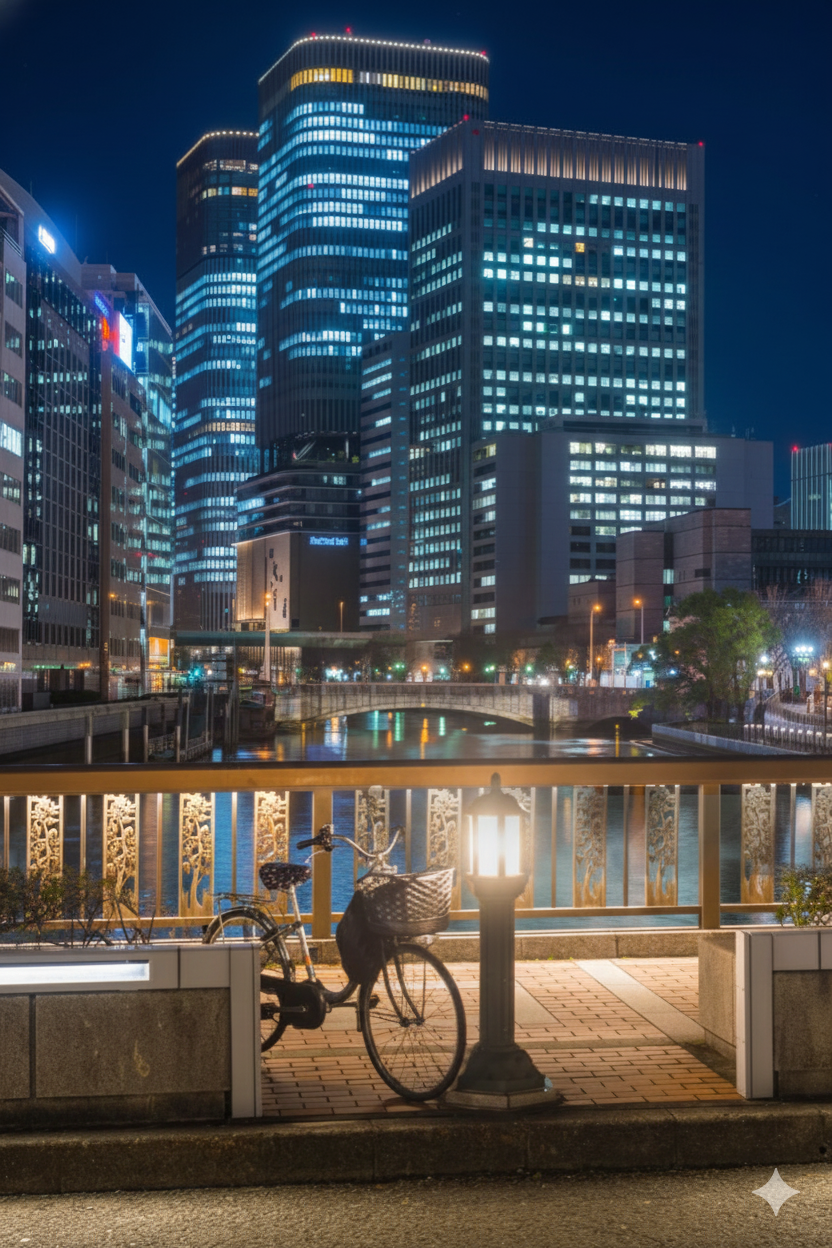
 Lawrence
 Lawrence