
Hidden Taipei 秘境台北
Hidden Taipei — Forgotten Places, Surviving Communities and the City Beneath the Surface. Discovering the Taipei That Tourist Maps Leave Behind
Hidden Taipei — Forgotten Places, Surviving Communities and the City Beneath the Surface. Discovering the Taipei That Tourist Maps Leave Behind
 Lawrence
 Lawrence
 Lawrence
 Lawrence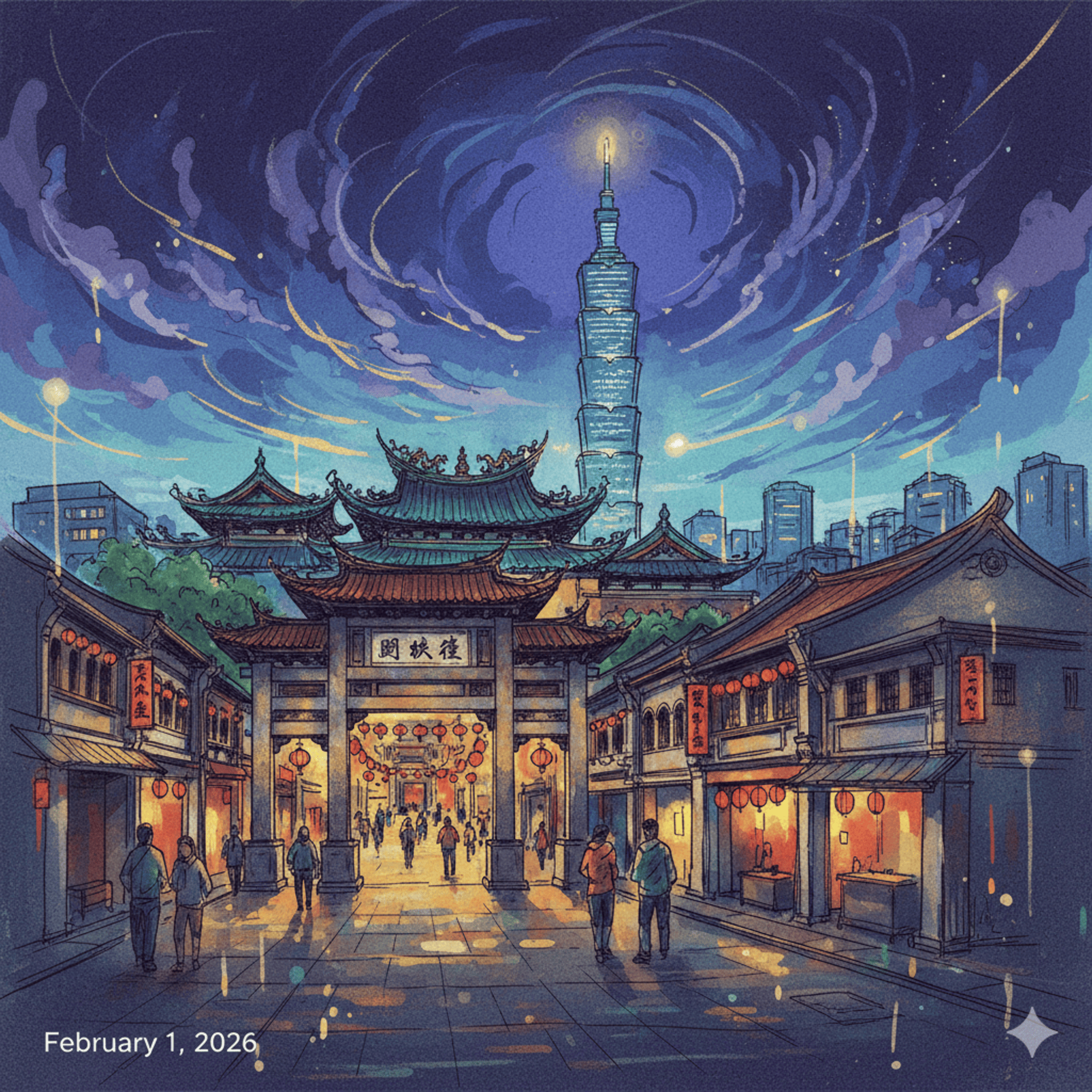
 Lawrence
 Lawrence
 Lawrence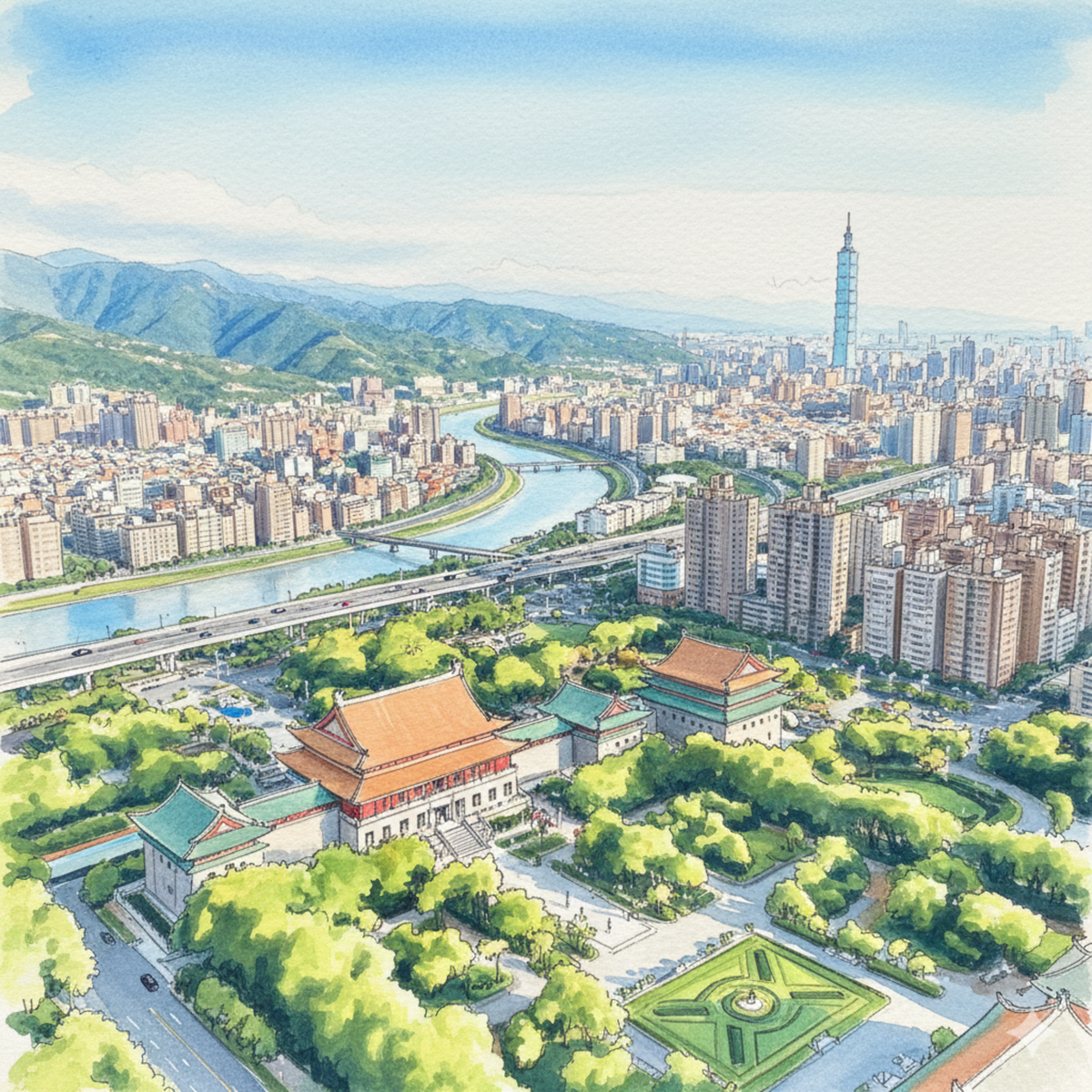
 Lawrence
 Lawrence
 Lawrence
 Lawrence
 Lawrence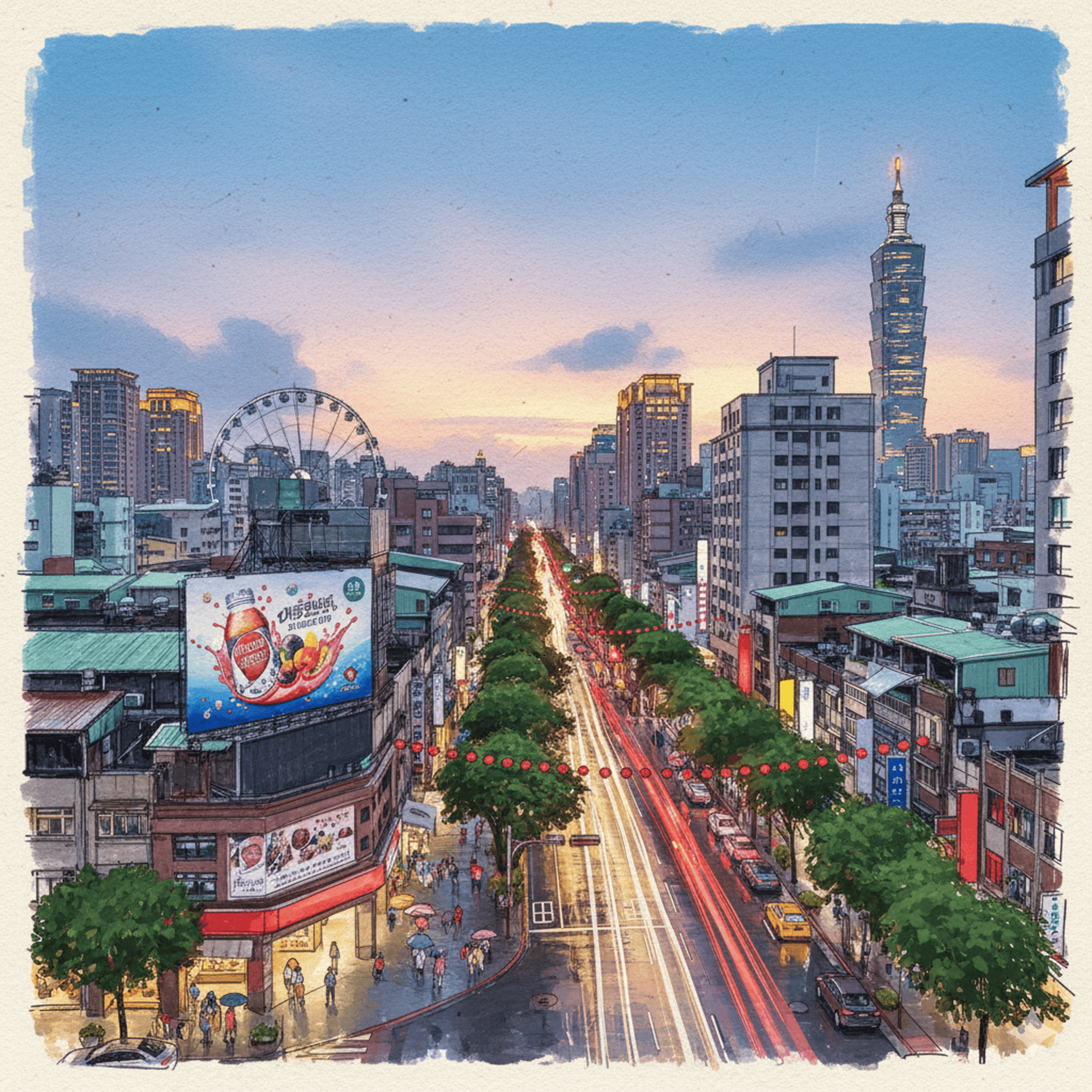
Taipei is often introduced through its most recognizable images: Taipei 101, night markets, temples, shopping streets and the Taipei skyline.
But another Taipei exists beneath these familiar landmarks.
It survives in narrow lanes, old market streets, modest houses, former military communities, hillside settlements, forgotten waterways and neighbourhoods that escaped complete redevelopment.
This is Hidden Taipei.
But “hidden” does not necessarily mean secret.
Many of these places are visible in plain sight. What has disappeared is the historical context that allows us to understand them.
A cluster of old houses may look like an architectural curiosity until you discover that it once belonged to a military dependents' village.
A quiet historic street may seem frozen in time until you realize that its preservation was connected to an earlier school, urban plan or development restriction.
A hillside settlement may appear informal until its residents' struggles for recognition and preservation become part of the story.
Hidden Taipei is therefore not simply about finding places that tourists miss.
It is about asking:
What did Taipei preserve, what did Taipei erase, and what survived despite the transformation of the city?
This guide explores those stories.
1. What Is Hidden Taipei?
Hidden Taipei is the historical layer of the city that is easiest to overlook.
It includes places that:
- Survived major waves of redevelopment
- Preserve earlier forms of urban life
- Were once marginal but later became culturally important
- Carry memories of migration and displacement
- Reveal ordinary life rather than elite history
- Exist beside modern Taipei but belong to a very different era
These places are particularly valuable because they allow us to experience history spatially.
A museum can show you an object from the past.
An old neighbourhood allows you to stand inside the environment in which that past actually happened.
That distinction lies at the heart of Hidden Taipei.
2. Bopiliao — The Street That Refused to Disappear
A Qing-Era Urban Landscape Inside Modern Taipei
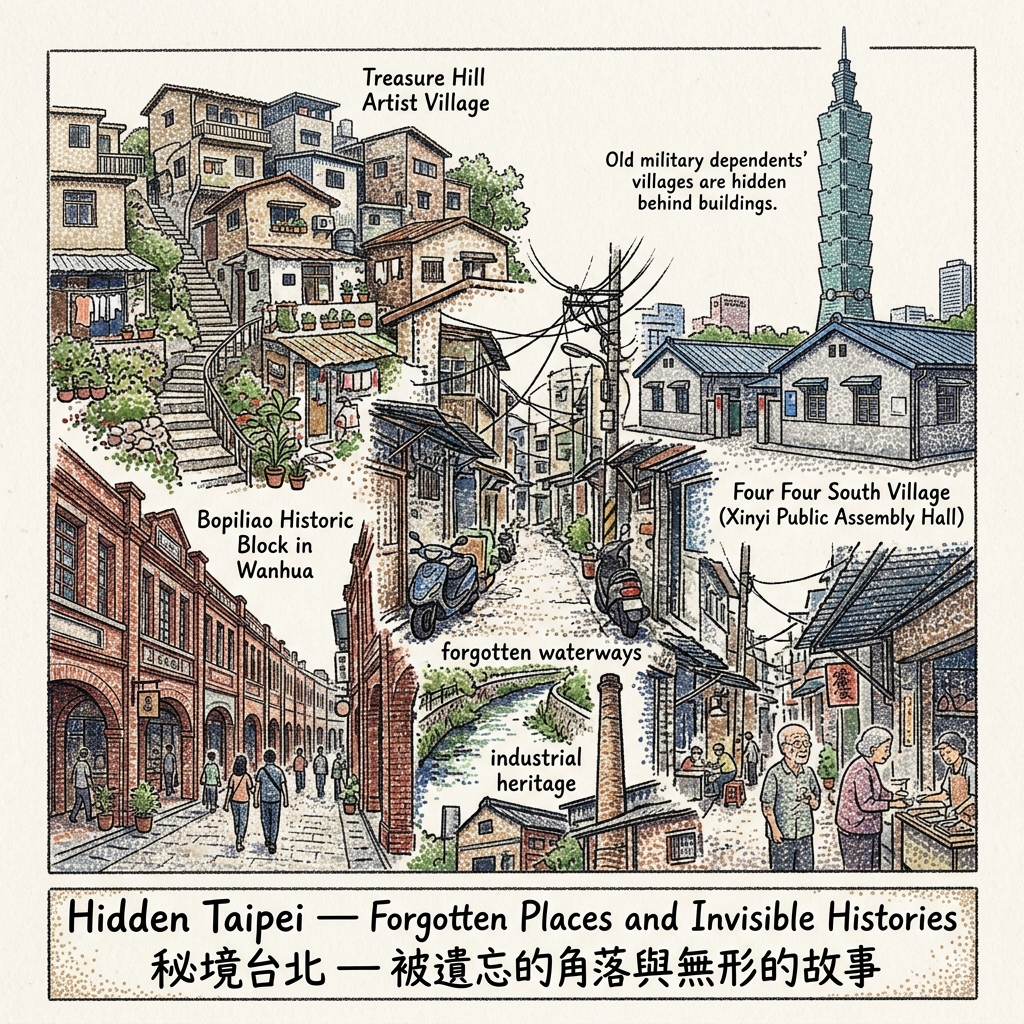
Few places illustrate Hidden Taipei better than Bopiliao Historic Block in Wanhua.
The street developed during the Qing period and later retained structures from the Japanese colonial era. Its survival was partly connected to urban planning around Laosong Elementary School, which restricted new construction in the area and unintentionally helped preserve the historic streetscape. Taipei's Department of Cultural Affairs describes the area as retaining Qing-period street form and Japanese-era architecture.
Today, visitors encounter red-brick arcades, traditional shophouses and narrow streets.
But Bopiliao is more than a preserved backdrop.
It reveals how ordinary commercial and residential life once operated in old Bangka.
The buildings were designed around everyday functions: shops facing the street, living spaces behind them, and a close relationship between commerce and community.
The remarkable thing is therefore not simply that old buildings survived.
It is that an older urban scale survived.
Modern Taipei became taller, faster and more standardized.
Bopiliao retained a human-scale city.
Why It Matters
Bopiliao allows visitors to understand the physical structure of historic Taipei rather than simply looking at individual heritage buildings.
Explore further:
→ Your Bopiliao / Wanhua historical story
→ Sacred Taipei Theme Pillar
→ Colonial Taipei Theme Pillar
3. Four Four South Village — The Forgotten Taipei Beside Taipei 101
When Postwar Migration Became a Neighbourhood
Few contrasts in Taipei are more powerful than Four Four South Village and Taipei 101.
One represents the global financial city.
The other preserves the memory of a postwar community.
Four Four South Village was Taipei's first military dependents' village. It developed after 1948 in connection with the relocation of personnel associated with the 44th Arsenal of the Combined Logistics Command. The compact settlement housed military personnel and their families in relatively simple dwellings.
The community eventually disappeared as Xinyi transformed into one of Taipei's major commercial and financial districts.
Yet part of the village survived.
Today, its preserved houses stand in extraordinary proximity to Taipei 101.
That physical relationship tells a much larger story.
It places two different Taipeis beside each other:
postwar displacement and globalized prosperity.
Why It Matters
Four Four South Village should not be understood merely as a nostalgic neighbourhood.
It represents migration, temporary settlement, military history, memory and the transformation of Taipei after the Chinese Civil War.
It is one of the clearest places in Taipei where twentieth-century political history remains visible at street level.
Explore further:
→ Your Four Four South Village historical story
→ Modern Taipei Theme Pillar
→ Hidden Taipei related stories
4. Treasure Hill — From Informal Settlement to Cultural Heritage
A Community That Challenged the Idea of Urban Order
Treasure Hill offers another form of hidden history.
Located near Gongguan, the hillside settlement developed particularly from the 1960s, when retired military veterans built homes on the slopes. Its winding paths, improvised structures and unusual urban form reflected a very different way of occupying the city.
For years, the settlement existed in tension with formal urban planning.
Demolition, relocation and preservation became competing visions for its future.
Eventually, the area was preserved and transformed into Treasure Hill Artist Village.
The result is unusual.
The same landscape that once represented informal settlement became a cultural and artistic space.
This raises a larger question about modern cities:
When does an “illegal” settlement become heritage?
Treasure Hill demonstrates that urban history is not always created by governments or architects.
Sometimes it is created by residents who simply stayed.
Why It Matters
Treasure Hill allows visitors to explore the relationship between:
- Informal urbanism
- Migration
- Housing
- Community resistance
- Heritage preservation
- Contemporary art
That makes it one of the most intellectually interesting places in Taipei.
Explore further:
→ Your Treasure Hill story
→ Modern Taipei Theme Pillar
→ Living Taipei Theme Pillar
5. Taipei's Military Dependents' Villages — A Disappearing City
The Neighbourhoods Created by Migration
Four Four South Village was not an isolated phenomenon.
After 1949, Taipei contained numerous military dependents' villages, known as juancun.
The city was once dotted with nearly 200 such communities. Most disappeared during redevelopment from the 1990s onward, while a smaller number survived or were transformed into cultural spaces.
These villages created distinctive forms of community life.
Residents came from different parts of China and brought:
- Regional languages
- Food traditions
- Religious practices
- Memories of places left behind
- New forms of neighbourhood identity
Over time, these communities became part of Taipei.
Their history is therefore not simply military history.
It is migration history.
Why It Matters
The military dependents' villages reveal a fundamental truth about modern Taipei:
The city was transformed not only by buildings, but by people who arrived carrying memories of other places.
Explore further:
→ Four Four South Village
→ Postwar Taipei
→ Modern Taipei Theme Pillar
6. Wanhua Beyond Longshan Temple — The Ordinary City Behind the Landmark
Looking Beyond Taipei's Famous Temple
Wanhua is often associated with Longshan Temple.
But its deeper history extends far beyond religious tourism.
The wider Bangka area preserves traces of old commerce, residential life, traditional markets, workshops and streets shaped by earlier periods of Taipei's development.
Bopiliao, historic markets and traditional commercial streets show how religion, trade and everyday life became intertwined.
The area demonstrates an important principle of Hidden Taipei:
The hidden story is often beside the famous attraction, not somewhere completely different.
A visitor who comes only for Longshan Temple sees one layer.
A visitor who walks beyond the temple begins to encounter the historical city around it.
Explore further:
→ Sacred Taipei Theme Pillar
→ Commercial Taipei Theme Pillar
→ Bopiliao historical story
7. The Forgotten Architecture of Taipei
Buildings That Survived Because Someone Found a Reason to Save Them
Historic architecture does not survive automatically.
Buildings survive because of:
- Planning decisions
- Community campaigns
- Historical recognition
- Adaptive reuse
- Changes in land value
- Accidents of development
This makes Taipei's surviving architecture particularly revealing.
Consider the different stories behind:
- Qing-era shophouses
- Japanese colonial buildings
- Military dependents' houses
- Old markets
- Industrial structures
- Postwar apartment communities
Each represents a different relationship between the city and its past.
One of the most interesting examples is the Red House in Ximending. Built in 1908 as a public market, it later became a cinema and theatre before evolving into a cultural and creative venue.
Its history demonstrates that preservation does not necessarily mean freezing a building in time.
Sometimes the best way to preserve history is to allow it to acquire another life.
8. Hidden Markets and the Everyday City
Where History Is Still Being Used
Some of Taipei's most revealing historical spaces are still functioning.
Traditional markets provide a direct connection between historical commerce and contemporary life.
They preserve:
- Local food networks
- Long-standing businesses
- Neighbourhood relationships
- Traditional crafts
- Daily shopping habits
This makes them particularly valuable for historical travel.
A preserved building tells you what a city once was.
A functioning market shows you what elements of that past still work.
Explore further
→ Commercial Taipei Theme Pillar
→ Living Taipei Theme Pillar
→ Traditional market stories
9. Hidden Waterways — The Taipei That Used to Be More Watery
Reading the City Through Its Rivers
Taipei's development was closely connected to its rivers.
Before modern roads and mass transit dominated movement, waterways supported settlement, commerce and transportation.
Some waterways changed course.
Others were engineered, covered or became less visible within the modern city.
Yet historical geography continues to influence neighbourhood development.
When walking through older Taipei, it is worth asking:
Where was the water?
The answer can explain why certain districts emerged where they did.
It can reveal why markets developed in particular locations.
It can explain why some streets became commercial corridors.
Hidden geography is therefore another way of reading Taipei.
Explore further:
→ Commercial Taipei Theme Pillar
→ Colonial Taipei Theme Pillar
→ Taipei urban development stories
10. Ximending — What Looks Modern May Have an Older Story
Entertainment, Markets and the Reinvention of Urban Space
Ximending is one of Taipei's most recognizable entertainment districts.
Yet its history demonstrates how quickly urban functions can change.
The Red House, historic street patterns and surrounding commercial activity reveal successive transformations in the area's social and economic role.
A market became a cultural landmark.
A theatre district became a consumer destination.
Old architecture was absorbed into contemporary creative culture.
This makes Ximending a useful example of a broader Taipei pattern:
The city rarely completely replaces its past. It repeatedly gives it a new function.
Explore further:
→ Commercial Taipei Theme Pillar
→ Modern Taipei Theme Pillar
→ Red House historical story
11. Hidden Taipei Is Not About Nostalgia
It is tempting to describe old neighbourhoods as places where “time stood still.”
That description is attractive but misleading.
These communities did not remain unchanged.
They adapted.
Residents moved.
Buildings were modified.
Businesses disappeared and new ones appeared.
Old communities became cultural attractions.
Some historic landscapes were preserved because residents and cultural organizations argued that they mattered.
Hidden Taipei is therefore not a museum of a lost city.
It is a record of continuous adaptation.
12. The Great Question: What Did Taipei Choose to Preserve?
Every modern city contains historical leftovers.
But preservation is never neutral.
When a city saves one street and demolishes another, it is making a decision about which memories should remain visible.
Taipei's preserved communities therefore raise difficult questions:
- Who decides what counts as heritage?
- Should ordinary housing be considered historical?
- Can an informal settlement become cultural heritage?
- What happens when preservation conflicts with property development?
- When does revitalization become commercialization?
- Can a neighbourhood remain authentic after becoming a tourist attraction?
These questions make Hidden Taipei much more than a sightseeing category.
They make it a study of how cities remember themselves.
Hidden Taipei: A Historical Walking Framework
Instead of following a conventional attraction checklist, explore Hidden Taipei through historical layers.
Route 1: Old Taipei
Longshan Temple → Bopiliao → traditional markets → old neighbourhood streets
Historical focus: Qing settlement, commerce and community life.
Route 2: Postwar Taipei
Four Four South Village → Xinyi → surviving military-community traces
Historical focus: migration, military communities and rapid urban transformation.
Route 3: Informal Taipei
Treasure Hill → Gongguan → riverside landscape
Historical focus: informal settlement, migration, preservation and urban creativity.
Route 4: Reinvented Taipei
Ximending → Red House → surrounding historic streets
Historical focus: markets, entertainment, modernization and adaptive reuse.
Hidden Taipei Across the Five Historical Layers
Hidden Taipei should never exist as an isolated topic.
It intersects with every other Taipei pillar.
Hidden + Colonial Taipei
Old streets and buildings reveal how Japanese colonial planning changed the city.
Hidden + Sacred Taipei
Neighbourhood temples preserve community identities that may have disappeared from the surrounding urban landscape.
Hidden + Commercial Taipei
Markets, shophouses and old commercial streets reveal earlier forms of trade.
Hidden + Modern Taipei
Military villages and informal settlements reveal the human consequences of postwar transformation.
Hidden + Living Taipei
Food, festivals, crafts and neighbourhood businesses allow historical traditions to remain part of contemporary life.
This cross-linking is essential because Hidden Taipei is not another box. It is the layer that connects the boxes.
Explore Hidden Taipei
The Hidden Taipei collection will continue to grow.
Explore stories about:
- Bopiliao Historic Block
- Four Four South Village
- Treasure Hill
- Wanhua's forgotten streets
- Ximending's surviving heritage
- Military dependents' villages
- Old markets
- Disappearing communities
- Forgotten waterways
- Industrial and postwar landscapes
Each story reveals another part of Taipei that conventional tourism tends to overlook.
Why Hidden Taipei Matters
The most famous places in Taipei tell you what the city wants to be remembered for.
Its hidden places tell you something different.
They show:
- Who lived here
- Who moved here
- Who disappeared
- Who resisted redevelopment
- Who preserved the past
- How ordinary people adapted to extraordinary change
That is why hidden historical places can sometimes tell us more about a city than its monuments.
Final Reflection — The City That Survived Beneath Itself
Taipei has changed repeatedly.
Empires changed.
Governments changed.
Neighbourhoods changed.
Buildings disappeared.
New skylines rose.
Yet fragments remained.
A brick arcade in Wanhua.
A military village beneath Taipei 101.
A hillside settlement near Gongguan.
A traditional market hidden among modern buildings.
A century-old market building given a new cultural life.
These are not simply “hidden gems.”
They are evidence.
Evidence that cities are never completely replaced.
They accumulate.
They erase.
They remember.
And sometimes, in the middle of the modern city, the past quietly survives.
To discover Hidden Taipei is not to escape the modern city.
It is to learn how that modern city was built.
Historical Sources & Further Reading
For the historical claims and further research behind this theme, prioritize institutional and archival sources such as:
- Taipei City Department of Cultural Affairs — Historic Bopiliao and Taipei cultural heritage
- Taipei Travel — Bopiliao Historic Block and historic neighbourhood resources
- Taipei Travel — Four Four South Village and military dependents' village history
- Taipei Travel — Treasure Hill and the development of Treasure Hill Artist Village
- Taipei City cultural heritage and historic-building records
- Local oral histories and documented community archives
Bopiliao's preservation, for example, is documented by Taipei's Department of Cultural Affairs; Four Four South Village's post-1948 history and Treasure Hill's development are also documented by Taipei's official cultural and tourism institutions.
For Historical Travel Stories, these sources should ideally be linked within relevant sections as contextual citations, rather than relying only on a source list at the bottom. That gives readers a clear path from your historical narrative to the underlying evidence.
Continue Exploring Taipei
Taipei History & Culture — The Complete Authority Guide
→ Colonial Taipei — Empire, settlement and the making of the modern city
→ Sacred Taipei — Temples, belief and the spiritual landscape
→ Commercial Taipei — Markets, merchants and the evolution of trade
→ Modern Taipei — Migration, technology, democracy and urban transformation
→ Living Taipei — Food, tea, markets and everyday culture
Hidden Taipei sits at the intersection of all five.
 Lawrence
 Lawrence